Bodrum TourismSea, history, blue cruises, nightlife and four seasons: the many faces of tourism on the peninsula
Bodrum Tourism: bays, an ancient city, blue cruises and nightlife make tourism the peninsula’s main livelihood. Types of tourism, areas and tips.
Since the late 20th century Bodrum has relied heavily on tourism. Yet tourism here is not one thing: there are long beaches and holiday villages, there is ancient Halicarnassus and the castle, and there is a seafaring tradition that grew out of gulet building.
- Main livelihood
- Tourism
- Key types
- Sea, culture, yachting
- Peak season
- June–September
- Airport
- Milas-Bodrum (BJV)
Bodrum Tourism photos
 1 / 6
Types of Bodrum Tourism
Sea and sun come to mind first when people think of Bodrum Tourism, but the peninsula serves many different tastes. Deciding which type suits you also makes it easier to choose where to stay.
- Beach tourism: Bitez, Ortakent, Gumbet, Torba and the northern bays, with their long shores and beach businesses, form the base of Bodrum Tourism.
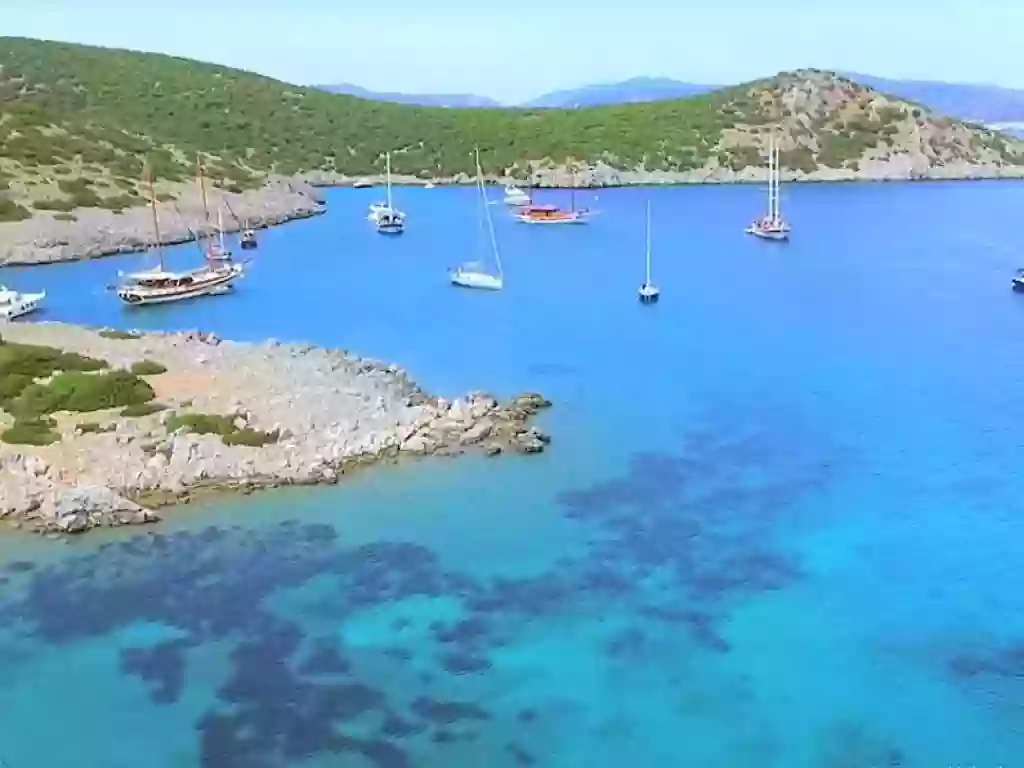
- Yacht and boat tourism: Marinas, daily boat trips and week-long blue cruises are among the best-known experiences on the peninsula.
- Cultural tourism: Bodrum Castle, the Museum of Underwater Archaeology, the Mausoleum, the ancient theatre and the Lelegian towns scattered across the peninsula.
- Nightlife: The bar street in the centre and Gumbet are known for their summer nights.
- Food: The seaside restaurants of Gumusluk, Bodrum mandarins, village breakfasts and fresh fish.
- Health tourism: Hospitals and clinics also serve foreign visitors.
Bodrum Tourism by area
Each coast plays its own role. The centre gathers around the castle, the bazaar and the marina; Gumbet is about entertainment. Bitez and Ortakent in the south suit family holidays, Turgutreis and Gumusluk in the west are known for sunsets and fish restaurants, while Yalikavak and Golturkbuku in the north stand out for marinas and stylish beach venues. Guvercinlik in the east is known for its fishing harbour, and inland Mumcular for rural tourism.
Our Bodrum holiday guide compares the areas one by one and helps you decide where to stay. For a general introduction, see about Bodrum.
Yachting, gulets and the blue cruise
The most distinctive part of Bodrum Tourism is its seafaring tradition. Bodrum is known for building wooden gulets; boats built in its shipyards are used today for week-long blue cruises and daily trips. The blue cruise tradition goes back to boat journeys along the coast made in the mid-20th century by Cevat Sakir Kabaagacli, the “Fisherman of Halicarnassus”, and his friends.
Besides the marina in the centre, there are yacht harbours around Yalikavak, Turgutreis and Golturkbuku. Most daily trips leave in the morning and return before sunset; week-long routes head for the bays of the Gulf of Gokova and beyond.
Culture and history in Bodrum Tourism
Today’s Bodrum stands on top of ancient Halicarnassus. The Museum of Underwater Archaeology inside Bodrum Castle is the heart of cultural tourism on the peninsula. The site of the Mausoleum, one of the Seven Wonders of the Ancient World, the ancient theatre and the Myndos Gate can all be visited on foot in the centre; the ancient city itself is described in Bodrum Halicarnassus. We tell the town’s story period by period in our Bodrum history article.
In summer, concerts are held in the ancient theatre, and the castle hosts cultural events. Check the programme before you go.
A short history of Bodrum Tourism
At the start of the 20th century Bodrum was a small town living from sponge diving, fishing, farming and shipbuilding. Cevat Sakir Kabaagacli did much to make it known: exiled here in 1925, he wrote about Bodrum under the pen name “Fisherman of Halicarnassus”, and the boat trips he made with friends grew into the blue cruise tradition.
Turning the castle into a museum of underwater archaeology in the 1960s opened the door to cultural tourism. In the last quarter of the 20th century holiday villages, marinas and beach businesses made Bodrum Tourism grow fast, and tourism became the peninsula’s main livelihood. Today the population multiplies in summer, which brings both opportunities and strain on infrastructure.
The character of the villages changed too: former fishing villages such as Gumusluk, Yalikavak and Turgutreis are now known for marinas, restaurants and holiday homes. Traces of village life still survive, especially inland in places like Mumcular and during the winter months.
Bodrum Tourism out of season
Although Bodrum Tourism depends mostly on summer, spring and autumn attract more visitors every year. The weather is mild, the bays are calm and prices are lower. In winter many beach businesses close, but the centre, the bazaar and the museums stay open. Our Bodrum climate guide shows what the weather is like month by month.
Bodrum Tourism and sustainability
Growth brings new questions: keeping the coast open to everyone, water and waste management, and the summer load on infrastructure. Free public beaches and the Blue Flag programme are part of this debate; we cover them in Bodrum Blue Flag beaches.
- Take your rubbish back with you and cut down on plastic.
- Leave no waste in the sea in bays where boats anchor.
- Choose local shops and village produce.
- Use water carefully in summer; it is precious on the peninsula.
For official travel information, see the Ministry of Culture and Tourism’s Go Türkiye site.
Frequently asked questions about Bodrum Tourism
What are the main types of Bodrum Tourism?
Beach tourism, yacht and boat tourism (the blue cruise), cultural tourism, nightlife and food stand out.
When is Bodrum busiest?
June to September is the busiest period. Spring and autumn are calmer and milder.
Where do blue cruises leave from?
Gulets leave from the harbour in Bodrum centre and from the peninsula’s other marinas.
What should I see for cultural tourism in Bodrum?
Bodrum Castle and the Museum of Underwater Archaeology, the Mausoleum, the ancient theatre, the Myndos Gate and Lelegian towns such as Pedasa.
Is Bodrum touristy in winter?
The centre, the bazaar and the museums stay open, but many beach businesses close and life is quieter.
Which area is best for nightlife?
The bar street in the centre and Gumbet are known for summer nightlife.
What about Guvercinlik and Mumcular?
Guvercinlik is a quiet village with a fishing harbour and restaurants; Mumcular suits rural life and village trips.
Is there health tourism in Bodrum?
Yes; hospitals and clinics also serve foreign visitors.
Where should I start planning?
Start with our Bodrum holiday guide to choose an area, then read about Bodrum’s history and climate.