Bodrum CisternsThe white-domed rainwater tanks of the peninsula: how they work, where to see them and how they are protected
Bodrum Cisterns are domed stone structures that collect rainwater and store it for the dry summer; how they work, where to see them and visiting tips.
On a peninsula with few rivers and long, dry summers, water has always been precious. The white domes you see along village roads, at the edge of fields and in old neighbourhoods are tanks that keep winter rain for months. Some are still used to water animals today.
- Type
- Rainwater tank
- Typical shape
- Round plan, domed roof
- Number on the peninsula
- About 500 (municipal figure)
- Most common in
- Rural areas, around Mumcular
Bodrum Cisterns in photos
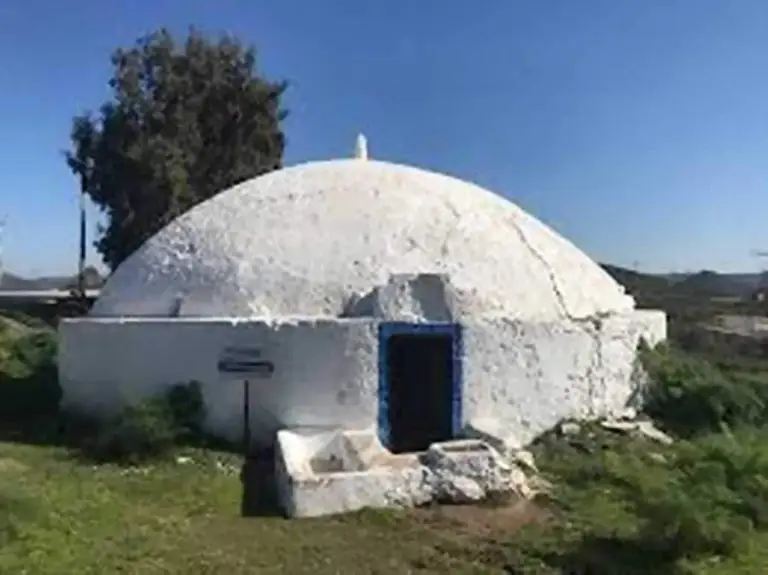 1 / 6
What are Bodrum Cisterns and why were they built?
A cistern (sarnıç in Turkish) is a covered structure that collects and stores rainwater. The Bodrum Peninsula has almost no permanent rivers; most rain falls in winter, while summers are long and dry. Wells close to the shore can also turn salty over time. So the people of the peninsula found their answer in stone cisterns that keep winter rain for use all summer.
Bodrum Cisterns were built not only for household drinking water but also to water gardens, fields and animals, and to serve travellers on the road. That is why some stand inside villages, some in the middle of fields and some beside old tracks. We describe the landscape and climate of the peninsula in our Bodrum geography guide, and the wider area in our Bodrum travel guide.
The architecture of Bodrum Cisterns
The most common type of Bodrum cisterns is a domed cistern sitting on a round body. Locals compare the shape to a kümbet, a domed tomb. Part of the tank lies below ground, so the buildings look low from outside. The walls are built of rubble stone, like other traditional buildings in Bodrum, then plastered and whitewashed with lime. The white surface reflects the sun and helps keep the water cool.
- Dome: The wide surface that catches the rain. Water runs down its slope.
- Collecting band: A shallow, inward-sloping channel around the foot of the dome where the water gathers.
- Water holes: Small openings at the level of the band. Water flows in through them, and they also ventilate the tank.
- Door: An opening for drawing water with a bucket and cleaning the tank. Many doors are painted blue today.
- Trough: A stone or concrete basin in front of the door where animals drink.
- Inscription: Some cisterns carry an inscription above the door giving the year or the name of the builder.
Besides the domed type, Bodrum cisterns include rarer rectangular, vaulted examples that are almost completely buried. An academic study of the cisterns in Yalıçiftlik shows that the roof forms in the area vary. This variety shows that Bodrum Cisterns are not the work of a single period or master but a building tradition shaped by place and need over centuries.
Some domed cisterns are locally linked to the architect Mimar Sinan or to Suleiman the Magnificent’s campaign to Rhodes. No inscription or archive record confirming these links is known, so they should be read as local stories.
How do Bodrum Cisterns work?
The most interesting thing about Bodrum Cisterns is that they work without any pump or pipe. The system relies on rain flowing by gravity:
- 1. Collecting: Winter rain falls on the dome and runs down its slope.
- 2. Guiding: The water gathers in the inward-sloping band at the foot of the dome. At some cisterns the slope of the land also brings water towards the building.
- 3. Entry: The water seeps into the tank through the water holes. As the holes are small, leaves and stones stay outside.
- 4. Storage: Thick stone walls and a partly buried tank keep the water cool and dark in summer.
- 5. Use: Water is drawn through the door with a bucket and poured into the trough for animals.
How much water a cistern can hold depends on the diameter and depth of the tank. For example, a cylindrical tank with an inner diameter of 7 metres and a usable depth of 2 metres holds about 77 cubic metres. This is only an example to show the effect of size; the real amount depends on the tank’s shape, how watertight it is and that year’s rainfall.
| Part | Job | How to spot it |
|---|---|---|
| Dome | Catches the rain | White, half-sphere roof |
| Band | Collects water around the dome | Shallow ledge at the foot of the dome |
| Water holes | Let water in, ventilate the tank | Small holes at the level of the band |
| Door and trough | Access to water, watering animals | Opening at the front and the basin before it |
A short history of Bodrum Cisterns
Bodrum Cisterns do not all date from the same period. To understand the age of a structure you need to look at its inscription, any archive record and its building technique together. The timeline below lists the main dates and events mentioned in sources.
- A rainwater tradition
Storing rainwater is an old tradition on the dry Aegean coast; the ancient settlements of the peninsula also had cisterns and water structures.
- Cisterns with inscriptions
Many Bodrum cisterns date from the Ottoman period. According to local researcher Namık Açıkgöz, around 30–40 cisterns in the area carry inscriptions.
- Kökcü Dede Cistern
In central Bodrum, the Kökcü Dede Cistern in the Yokuşbaşı neighbourhood is an inscribed example described in the news as about 150 years old.
- New cisterns
Building continued in the 20th century; an academic study dates some of the examples in Yalıçiftlik to this period.
- Whitewash controversy
During repairs, the Kökcü Dede Cistern was painted with lime, inscription included, which drew criticism; the inscription was later made visible again.
- Collapse in Ortakent
A cistern about 100 years old collapsed in Ortakent, near Düzalan Street. News reports said there are about 500 water cisterns on the peninsula.
- Academic studies
Researchers from Gazi University examined the cisterns from a rainwater-harvesting point of view, and the work of the Kızılağaç Conservation Workshop was published.
You can read about the ancient city and its history in our Bodrum Halicarnassus guide. For academic detail, the study of Bodrum Peninsula cisterns by Elerman, Yazıcı and Gültekin (in Turkish) is a good start, and Wikipedia’s cistern article gives the wider background.
Where to see Bodrum Cisterns
Bodrum Cisterns are spread across almost the whole peninsula, but you see them more often the further you go from the built-up coast. The areas below are the ones named in sources and news reports:
- Bodrum town: The inscribed Kökcü Dede Cistern in Yokuşbaşı is a known example inside the town.
- Ortakent and Yalıçiftlik: There are many domed cisterns inland in Ortakent and in Yalıçiftlik; those in Yalıçiftlik have also been the subject of an academic study.
- Bitez: The round cistern at Bitez Adaboğazı is listed in the Muğla cultural inventory of the Culture Portal.
- Yalıkavak, Gümüşlük and Kızılağaç: Common along the village roads of the west side. A cistern in Yalıkavak is known to have been turned into an art gallery.
- Mumcular and Karaova: The most rural part of the peninsula. According to local researchers, cisterns around Bodrum are densest around Mumcular.
- Güvercinlik: We could not find a named, visitable cistern in Güvercinlik in the sources. On the way to Mumcular, keep an eye on the countryside on both sides of the road.
Bodrum Cisterns today
With mains water and deep wells, Bodrum cisterns have lost most of their place in daily life. Still, in the countryside some Bodrum cisterns are used to water gardens and animals, and many have a trough in front of them. In the tourist areas, however, the doors of many cisterns are closed with iron bars.
Two problems stand out in conservation. The first is neglect: the cistern that collapsed in Ortakent in 2022 showed how old structures can quietly disappear.
The second is the wrong kind of repair: painting over the Kökcü Dede inscription or covering cisterns at some village entrances with cement plaster were criticised by experts. Good repair should record the band, the water holes, the door and the trough as well as the dome; if these are lost, it is hard to understand how the building worked even if it still stands.
On the other hand, some Bodrum cisterns have started a new life: some have been restored and given information signs, others are used as exhibition spaces or galleries. As climate change and drought are discussed more, the idea of rainwater harvesting behind Bodrum Cisterns is drawing new interest.
Tips for visiting Bodrum Cisterns
You do not need a special route to see Bodrum cisterns; you will pass them easily while touring the peninsula. Still, a few points are worth keeping in mind:
- Go early in the morning or near sunset; the white dome is dazzling in the midday sun.
- Include the road, the trough and the slope around it in your photo.
- Park safely where you will not block the road.
- Look for the band and water holes at the foot of the dome to see how it works.
- Do not force doors or go inside without permission; most are private or still in use.
- Do not climb on the dome; old structures can be damaged.
- Do not put soap, detergent or food in the troughs.
- Do not leave litter; it pollutes the water source.
An idea for a half-day trip: look at the Bodrum cisterns on the inland roads of Ortakent and Yalıçiftlik in the morning, then head towards Mumcular in the afternoon to see village life. You can visit the west side on another day together with Gümüşlük and Yalıkavak. For more about the town and its sights, see About Bodrum.
Bodrum Cisterns: frequently asked questions
What were Bodrum Cisterns used for?
They were built to collect winter rainwater and use it in the dry summer months for drinking and for watering gardens and animals.
Where can I see Bodrum Cisterns?
Almost everywhere on the peninsula, especially along the village roads around Ortakent, Yalıçiftlik, Mumcular, Gümüşlük and Yalıkavak, and in Yokuşbaşı in Bodrum town.
How many cisterns are there in Bodrum?
No exact official inventory has been published. News reports in 2022 quoted a municipal figure of about 500 water cisterns on the peninsula.
Can I go inside the cisterns?
Most Bodrum cisterns are private or still in use, and their doors may be locked. Do not enter without permission; look at them from outside.
Why are the domes white?
Lime whitewash protects the plaster and reflects the sun, helping the building and the water stay cooler.
How does water get into a cistern?
Rain running off the dome collects in the inward-sloping band at its foot and seeps into the tank through small water holes.
Were all cisterns built at the same time?
No. There are examples from the Ottoman period up to the 20th century. To date one, you need its inscription or an archive record.
Did Mimar Sinan build cisterns in Bodrum?
Some cisterns are locally attributed to him, but no inscription or record confirming this is known, so it is best treated as a local story.
Are there cisterns in Güvercinlik?
We could not find a named, visitable cistern in Güvercinlik in the sources. In the east, cisterns are densest around Mumcular.
Are the cisterns still used today?
In the countryside some are still used to water gardens and animals; in tourist areas most are closed or have been restored and signposted.