

Ottoman Shipyard (Osmanlı Tersanesi) in Bodrum: The Ottoman Shipyard in Bodrum, also known as the Bodrum Castle Shipyard or the Bodrum Naval Shipyard, is a historical site that dates back to the 15th century. It was built by the Ottoman Empire to serve as a naval base and shipbuilding center.
The shipyard is located in the heart of Bodrum, a picturesque seaside town on the Aegean coast of Turkey. It is a popular tourist destination, known for its rich history, stunning architecture, and beautiful beaches.
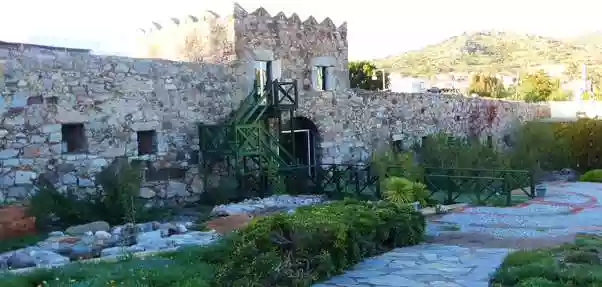
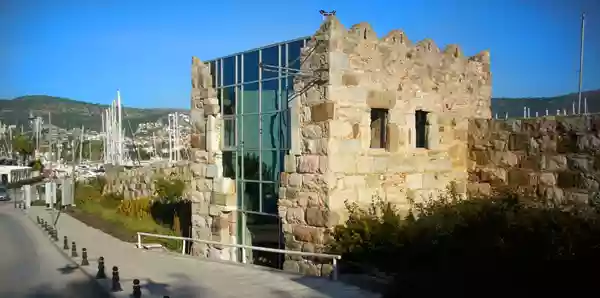
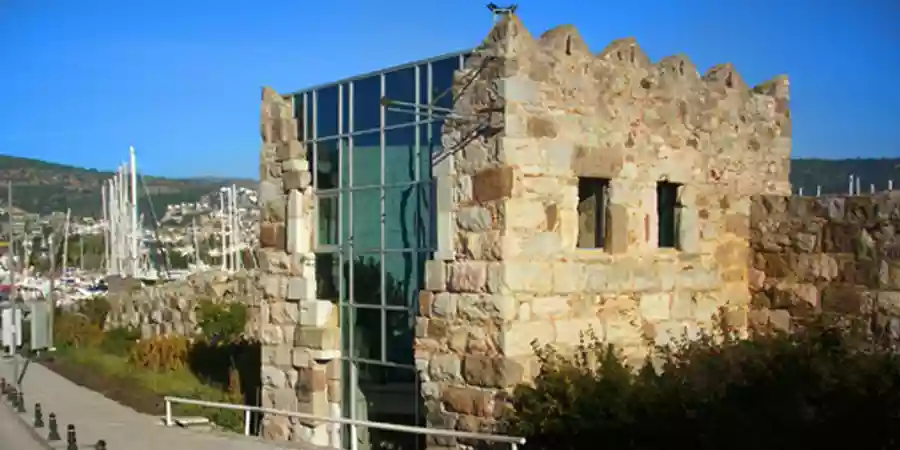
The shipyard’s architecture is a unique blend of Ottoman and European styles. It consists of five docks, each with its own gate and tower. The docks were used to build and repair various types of ships, including galleys, frigates, and battleships.
Ottoman Shipyard Bodrum
Ottoman Shipyard Bodrum – The Historic Tersane of the Aegean. Located just west of Bodrum Castle, the Ottoman Shipyard (Bodrum Tersanesi) is one of the peninsula’s most important historical landmarks. Overlooking the marina and the turquoise waters of the Aegean Sea, this 18th-century shipyard stands as a powerful reminder of Bodrum’s maritime legacy during the Ottoman Empire.
While many visitors focus on the castle and beaches, the Ottoman Shipyard offers a deeper understanding of Bodrum’s naval history and strategic importance.
Historical Background
The Ottoman Shipyard in Bodrum was established in 1775, during the reign of Sultan Abdülhamid I. At the time, the Ottoman Empire was strengthening its naval presence in the Aegean Sea, and Bodrum’s natural harbor made it an ideal location for shipbuilding and defense.
The shipyard was used for:
- Construction and repair of Ottoman naval vessels
- Coastal defense operations
- Strategic maritime control
Its position near Bodrum Castle (originally built by the Knights of St. John in the 15th century) made the area a key defensive and naval center.
Architectural Features
The Ottoman Shipyard complex includes:
- Stone dockyard structures
- Fortified watchtower
- Historic cemetery area
- Large open courtyard
One of the most striking elements is the Tersane Tower, built in 1824. The tower was added after pirate attacks in the region and served as a defensive structure to protect the shipyard and harbor.
The architecture reflects Ottoman military design — solid stone construction, minimal ornamentation, and functional layout focused on durability.
Maritime Significance
Bodrum has always been connected to the sea. From ancient Halicarnassus to the Ottoman period, maritime trade and naval power shaped the region’s identity.
The Ottoman Shipyard symbolizes:
- Bodrum’s transformation into a naval base
- The strategic control of Aegean routes
- The continuation of shipbuilding tradition
Even today, Bodrum remains one of Turkey’s most important yachting and sailing hubs — a modern reflection of its historical maritime roots.
Cultural Role Today
Today, the Ottoman Shipyard area serves as:
- An open-air cultural space
- An exhibition venue during art festivals
- A scenic historical site for visitors
- A popular photo location overlooking Bodrum Marina
It is especially beautiful at sunset, when the golden light illuminates the stone walls and the sea beyond.
Location & Accessibility
The Ottoman Shipyard is located within walking distance of:
- Bodrum Castle
- Bodrum Marina
- Bodrum city center
Its central location makes it easy to combine with other historical attractions in a single walking tour.
Who Should Visit?
The Ottoman Shipyard Bodrum is ideal for:
✔ History lovers
✔ Architecture enthusiasts
✔ Photography travelers
✔ Maritime history fans
✔ Visitors exploring Bodrum beyond beaches
It offers a quieter and less crowded alternative to Bodrum’s more famous landmarks.
Best Time to Visit
- Late afternoon for soft lighting
- Sunset for panoramic views
- Spring and autumn for comfortable weather
The open-air setting makes it a pleasant stop during a city exploration walk.
The Ottoman Shipyard Bodrum is more than just an old dockyard — it is a symbol of the city’s naval strength and strategic past. Standing beside the Aegean Sea, it tells the story of a time when Bodrum played a key role in Ottoman maritime defense.
If you want to understand Bodrum’s historical identity beyond tourism and nightlife, the Ottoman Shipyard is an essential stop on your journey through the peninsula’s past.
Today, the Ottoman Shipyard is a museum that showcases the history of shipbuilding in Turkey. Visitors can explore the docks, see the tools and machinery used by Ottoman shipbuilders, and learn about the techniques and skills required to build and maintain a fleet of ships.
In addition to its historical significance, the Ottoman Shipyard is also an important cultural center. It hosts various events throughout the year, including concerts, exhibitions, and festivals.
If you’re planning a trip to Bodrum, be sure to visit the Ottoman Shipyard. It’s a must-see attraction that offers a unique glimpse into Turkey’s rich maritime heritage.
The silent witness of maritime history: Ottoman Shipyard…
It almost dominates these lands with its blue endless beauty. The origin of maritime in Bodrum goes back to ancient times. Throughout history, Bodrum has trained three great admirals, two of which are women. Artemisia I, the hero of the Salamis Naval Battle, Artemisia II, who defeated the Rhodesians, and Turgut Reis, the famous Ottoman Admiral who instilled fear in his opponents in the Mediterranean.…
The Ottoman Shipyard is one of the most important pages of Bodrum’s maritime and boatbuilding history in the modern period. With the importance given to shipbuilding in the Ottoman period, Bodrum Shipyard made its name known and enriched the vast maritime heritage of today with the reputation created by the solid galleons built. This shipyard contributed to the Ottoman navy with the galleons it built in the XVIII and XIX centuries, and worked to maintain its power in the seas. It is a center where both new galleons are built and damaged galleons are repaired.
The Ottoman Shipyard is located on the roadside in the western part of the Bodrum marina. Built against pirate attacks at the entrance of the shipyard, the Ottoman Tower continues its course in history as the “Ottoman Shipyard Tower District Governorate Art Gallery” as a venue for artistic exhibitions.
The first information about the existence of the Ottoman Shipyard in Bodrum is based on the Mustafa Pasha foundation charter from Kızılhisar in 1727. It is seen in the documents that Chief Admiral Cafer Pasha had a galleon built in Bodrum in 1771.
Mustafa Pasha, who came from Kızılhisar, and his son Chief Admiral Cafer Pasha, who played an important role in the Turkish Maritime History in the 18th century, are buried in the seaside tomb located on the upper part of the shipyard. The mausoleum was built around 1727.
Mustafa Pasha from Kızılhisar, the governor of Rhodes, had a mosque and a school built in Bodrum, apart from the pirate pursuit, shipbuilding, etc. services. Cafer Pasha, on the other hand, is a captain who knows the Mediterranean from every corner and corner, as stated in the Ottoman documents. He served as the Chief Admiral in 1770. His last duty is the governor of Rhodes.
The cemetery, which has historical value, was formed after Mustafa Pasha was buried in the tomb. The oldest stone in the cemetery dates back to 1751 and belongs to a woman.
The information obtained from the tombstones and the care taken in the stonework reveals that this is the cemetery of the elite.

