

Ophthalmologist, Eye Health Diseases, Bodrum, An ophthalmologist is a medical doctor who specializes in the diagnosis and treatment of eye diseases and conditions. An ophthalmologist can help to diagnose and treat a wide range of eye diseases, including cataracts, glaucoma, macular degeneration, diabetic retinopathy, dry eye syndrome, and many others. An ophthalmologist is an eye care specialist. Unlike optometrists and opticians, ophthalmologists are doctors of medicine (MD) or doctors of osteopathy (DO) who have specific training and experience diagnosing and treating eye and vision conditions.
In terms of eye health and eye diseases, Bodrum is a popular destination for people seeking medical care, including eye care. There are a number of eye clinics and hospitals in Bodrum that offer a wide range of services for the diagnosis and treatment of eye diseases and conditions.

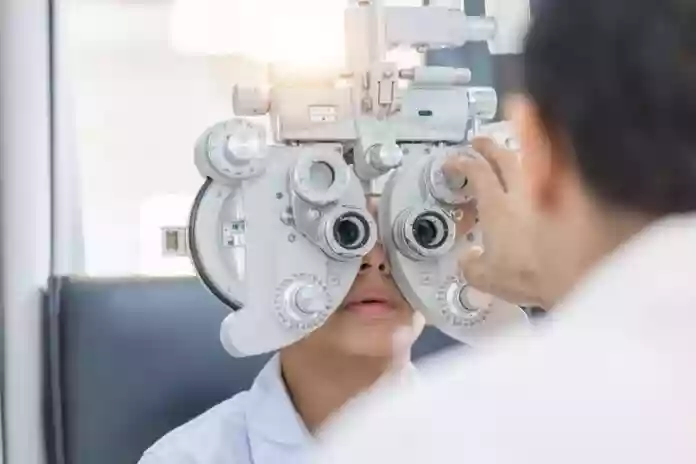
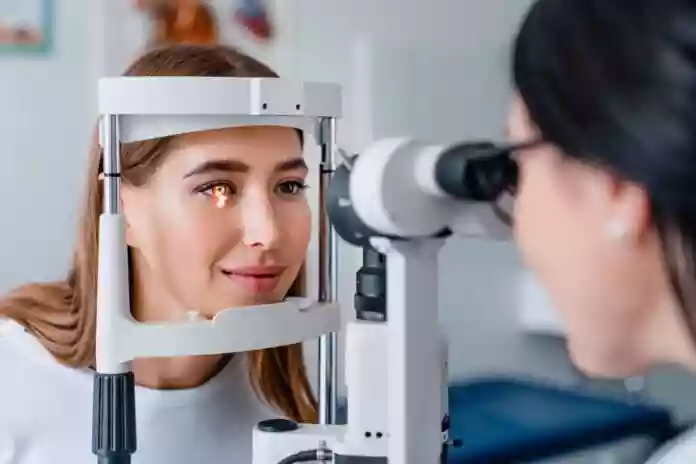
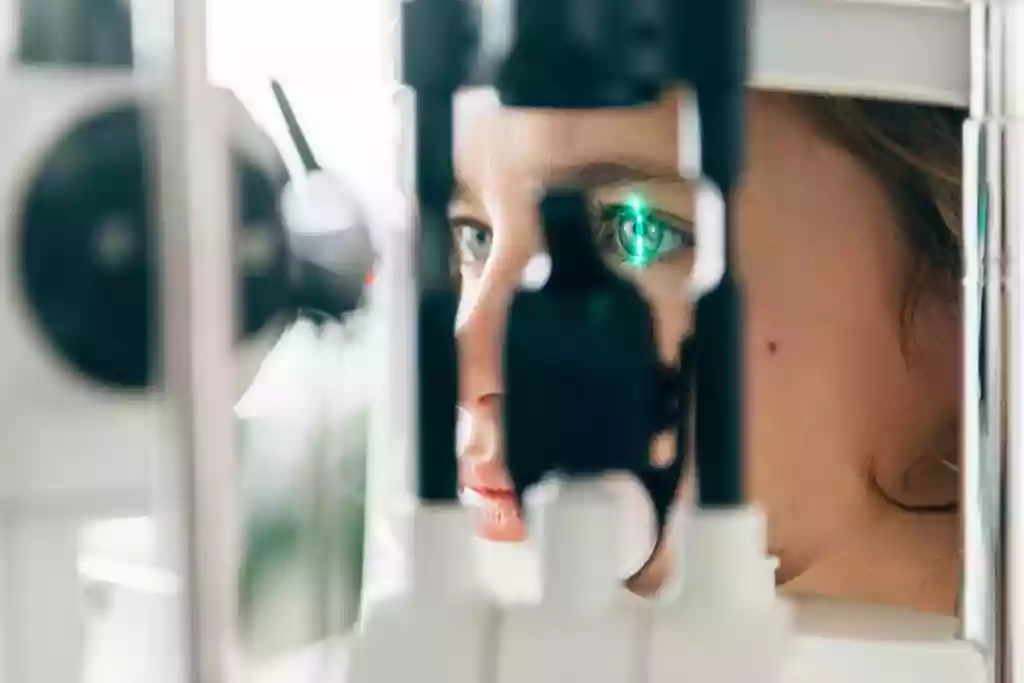
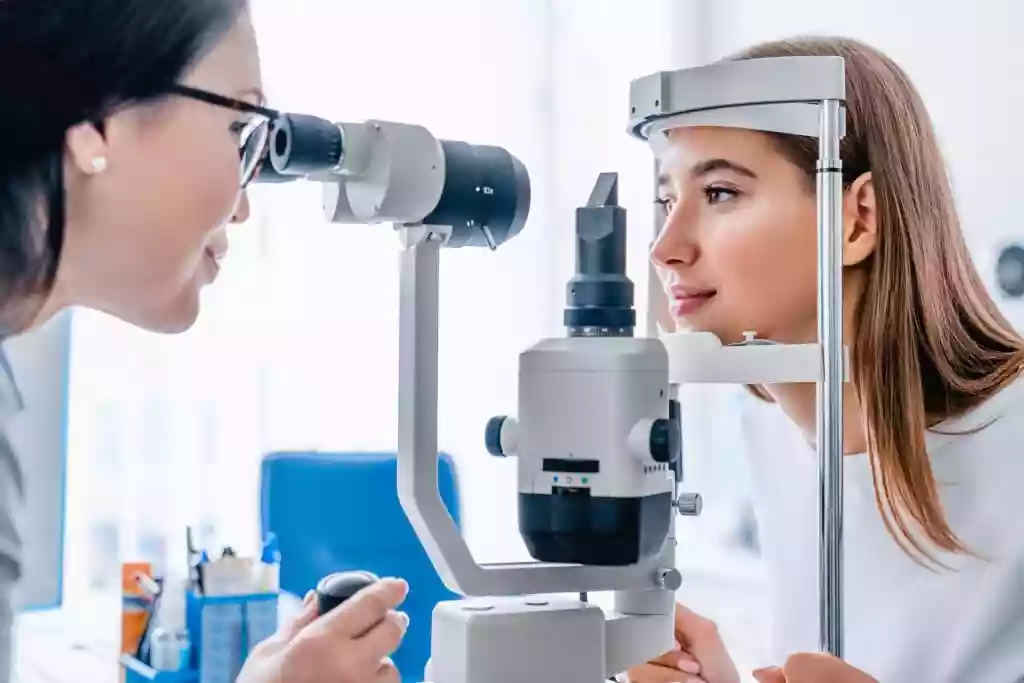
Ophthalmologist, Eye Health Diseases, Bodrum
What are ophthalmologists?
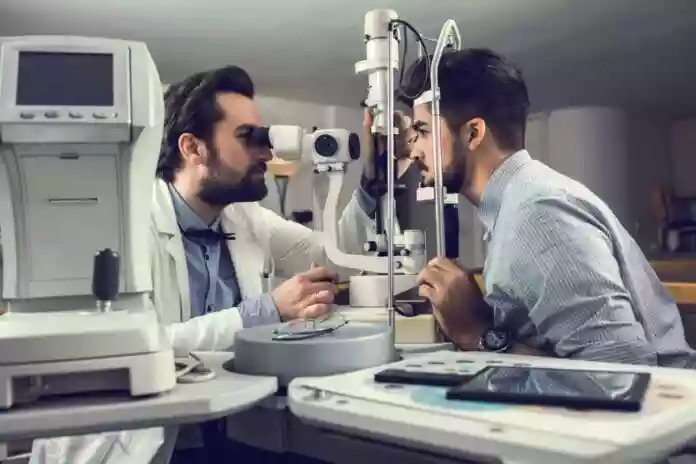
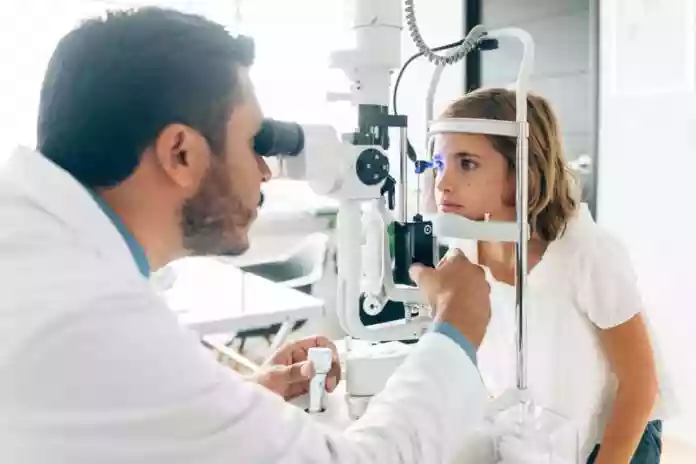
If you are in Bodrum and experiencing eye problems or want to maintain good eye health, it is recommended that you see an ophthalmologist for a complete eye exam. An eye exam can help to detect any underlying problems early and prevent vision loss, as well as ensure that you receive the best possible treatment and care for your eye health.
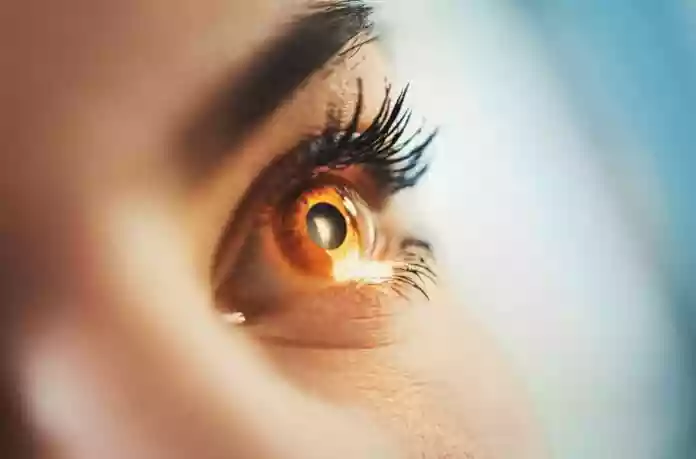
Eye health is an important aspect of overall health and well-being, as the eyes are complex sensory organs that allow us to see and perceive the world around us.
Maintaining good eye health includes getting regular eye exams, wearing protective eyewear, eating a healthy diet rich in vitamins and nutrients, and avoiding habits that can harm the eyes, such as smoking or excessive screen time.
There are many eye diseases and conditions that can affect vision, including:
- Cataracts: A clouding of the lens in the eye that can cause vision loss.
- Glaucoma: A group of eye diseases that damage the optic nerve and can lead to blindness.
- Macular degeneration: A disease that affects the central part of the retina, the macula, causing vision loss.
- Diabetic retinopathy: A condition in which high blood sugar levels damage the blood vessels in the retina, leading to vision loss.
- Dry eye syndrome: A condition in which the eyes do not produce enough tears, leading to dryness and discomfort.
- Conjunctivitis (pink eye): An inflammation of the conjunctiva, the clear membrane that covers the white part of the eye and the inside of the eyelids.
- Corneal ulcers: Open sores on the clear outer layer of the eye, the cornea.
- Age-related vision changes: As we age, our eyes may experience changes such as presbyopia (difficulty reading up close) and floaters (small specks that appear to float in your field of vision).
Early detection and treatment of eye diseases and conditions can help preserve vision and prevent vision loss. If you experience any changes in your vision or eye health, it is important to see an eye doctor for a complete eye exam.
Bodrum Eye Doctors
Bodrum is a popular destination for people seeking medical care, including eye care. There are a number of eye doctors and clinics in Bodrum that offer a wide range of services for the diagnosis and treatment of eye diseases and conditions.
When choosing an eye doctor in Bodrum, it is important to consider factors such as their qualifications, experience, and the services they offer. You may also want to consider factors such as location, office hours, and the availability of appointment times.
One way to find an eye doctor in Bodrum is to search online for local clinics and hospitals that specialize in eye care. You can also ask for recommendations from friends, family members, or other healthcare providers.
It is important to choose an eye doctor you trust and feel comfortable with, as they will play a critical role in maintaining your eye health and helping you to preserve your vision. Regular eye exams and early detection and treatment of any eye problems can help to ensure that you receive the best possible care for your eyes.
Medlife Medical Center, Eye Health department, diagnoses and treats all visual disorders in eye examination with advanced technology.
Our institution gives confidence to our patients with our experienced specialist doctor and friendly staff.
In our center:
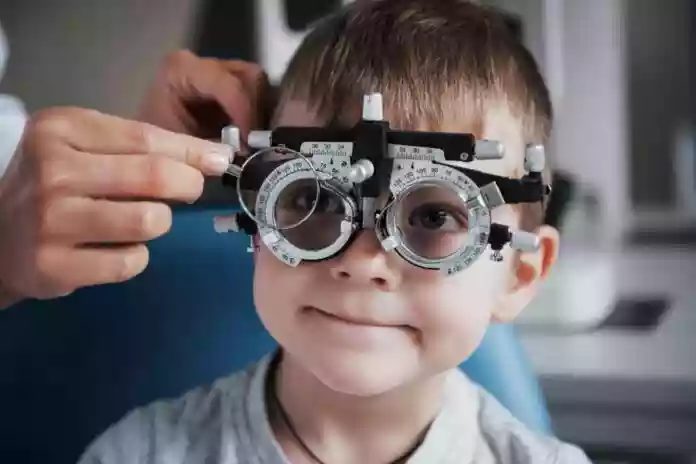
- Treatment of Childhood Eye Diseases,
- Eye Pressure (Glaucoma) Treatment,
- Strabismus Treatment
- Retinal Diseases and Yellow Spot Treatment,
- Contact Lenses,
- Uveitis Treatment,
- Tear Tracts and Dry Eye Treatment,
- Eye Aesthetic Diseases and Surgical Treatment,
- service is offered.
Eye Health and Diseases
Eye health is a critical component of overall health, as our eyes allow us to see and experience the world around us. Taking care of our eyes involves regular eye exams, wearing protective eyewear, maintaining a healthy diet rich in vitamins and nutrients, and avoiding habits that can harm our eyes, such as smoking or excessive screen time.
Ophthalmologist, Eye Health Diseases, Bodrum,
- Treatment of Childhood Eye Diseases,
- Eye Pressure (Glaucoma) Treatment,
- Strabismus Treatment
- Retinal Diseases and Yellow Spot Treatment,
- Contact Lenses,
- Uveitis Treatment,
- Tear Tracts and Dry Eye Treatment,
- Eye Aesthetic Diseases and Surgical Treatment,
- service is offered.
There are many eye diseases and conditions that can impact our vision, including:
- Cataracts: a clouding of the lens in the eye that causes vision loss.
- Glaucoma: a group of eye diseases that damage the optic nerve and can lead to blindness.
- Macular degeneration: a disease that affects the central part of the retina, the macula, causing vision loss.
- Diabetic retinopathy: a condition in which high blood sugar levels damage the blood vessels in the retina, leading to vision loss.
- Dry eye syndrome: a condition in which the eyes do not produce enough tears, causing dryness and discomfort.
- Conjunctivitis (pink eye): an inflammation of the conjunctiva, the clear membrane that covers the white part of the eye and the inside of the eyelids.
- Corneal ulcers: open sores on the clear outer layer of the eye, the cornea.
- Age-related vision changes: as we age, our eyes may experience changes such as presbyopia (difficulty reading up close) and floaters (small specks that appear to float in your field of vision).
Early detection and treatment of eye diseases and conditions can help preserve vision and prevent vision loss. If you experience any changes in your vision or eye health, it is important to see an eye doctor for a complete eye exam.
What is Eye Pressure, How Is It Treated?
Eye pressure, also known as intraocular pressure (IOP), is the pressure inside the eye. It is caused by the fluid in the eye, called the aqueous humor, which is constantly produced and drained. When the drainage of this fluid is blocked, eye pressure can increase, which can cause damage to the optic nerve and lead to vision loss, a condition known as glaucoma.
Glaucoma is a group of eye diseases that can cause vision loss and blindness. The increased pressure in the eye can damage the optic nerve, which carries visual information from the eye to the brain. If left untreated, glaucoma can progress and lead to permanent vision loss.
Treatment for glaucoma depends on the type and severity of the disease, but typically involves reducing eye pressure to prevent further damage to the optic nerve. This can be done through medication, such as eye drops that decrease fluid production or increase fluid drainage, or through surgery, such as a laser procedure to create a new drain for the fluid in the eye. In some cases, a combination of medication and surgery may be used to treat glaucoma.
It is important to get regular eye exams, as glaucoma often has no early symptoms and can progress without causing noticeable vision loss. Early detection and treatment are key to preserving vision in people with glaucoma.
Tear Tract Diseases
Some common tear tract diseases include:
- Dry eye syndrome: A condition in which the eyes do not produce enough tears, causing dryness and discomfort.
- Meibomian gland dysfunction (MGD): A condition in which the meibomian glands, which produce an oily layer of tears, become clogged or inflamed.
- Lacrimal gland dysfunction: A condition in which the lacrimal glands, which produce the watery layer of tears, do not function properly.
- Epiphora: A condition in which excessive tearing occurs, often as a result of blocked tear ducts.
Treatment for tear tract diseases depends on the underlying cause, but may include the use of artificial tears, warm compresses, or medications to improve tear production or reduce inflammation. In some cases, surgery may be necessary to correct the problem.
If you experience symptoms such as dryness, discomfort, or excessive tearing, it is important to see an eye doctor for a complete eye exam. Early diagnosis and treatment of tear tract diseases can help relieve symptoms and preserve the health of the eye.
Cataracts
Cataracts are a clouding of the lens in the eye that can cause vision loss. The lens of the eye is normally clear and focuses light onto the retina, which sends images to the brain. However, over time, the proteins in the lens can clump together and cause the lens to become cloudy, leading to vision loss.
Cataracts are a common age-related condition and typically develop gradually over time. Symptoms of cataracts include blurred or hazy vision, double vision, sensitivity to glare and bright lights, and a yellowing or fading of colors.
Treatment for cataracts typically involves surgical removal of the cloudy lens and replacement with an artificial lens. The surgery is typically performed on an outpatient basis and is a very common procedure with a high success rate. In some cases, the use of special lenses, brighter lighting, or magnifying glasses can help improve vision until surgery is necessary.
If you experience symptoms of cataracts, it is important to see an eye doctor for a complete eye exam. Early diagnosis and treatment can help preserve vision and prevent vision loss.
Glaucoma
Glaucoma is a group of eye diseases that can cause damage to the optic nerve and lead to vision loss. The optic nerve carries visual information from the eye to the brain, and when it is damaged, vision loss can occur.
Glaucoma is often caused by an increase in pressure within the eye, known as intraocular pressure (IOP). This increased pressure can damage the optic nerve, causing vision loss over time. However, not all cases of glaucoma are caused by high IOP, and some people with normal eye pressure can also develop glaucoma.
Symptoms of glaucoma can include gradual vision loss, especially in the peripheral (side) vision, halos around lights, and eye pain. However, in the early stages of the disease, there may be no symptoms at all.
Treatment for glaucoma typically involves reducing eye pressure to prevent further damage to the optic nerve. This can be done through medication, such as eye drops that decrease fluid production or increase fluid drainage, or through surgery, such as a laser procedure to create a new drain for the fluid in the eye. In some cases, a combination of medication and surgery may be used to treat glaucoma.
It is important to get regular eye exams, as glaucoma often has no early symptoms and can progress without causing noticeable vision loss. Early detection and treatment are key to preserving vision in people with glaucoma.
Macular degeneration
Macular degeneration is a medical condition that affects the macula, the part of the retina responsible for central vision. It is a leading cause of vision loss and blindness in older adults.
There are two main types of macular degeneration: dry and wet. Dry macular degeneration is the most common form and occurs when the tissues of the macula gradually break down. Wet macular degeneration occurs when new blood vessels grow under the macula and leak fluid and blood, causing vision loss.
Symptoms of macular degeneration can include gradual vision loss, especially in the center of the visual field, distorted or blurred vision, and difficulty recognizing faces.
Treatment for macular degeneration depends on the type and severity of the disease, but may include the use of vitamins and supplements, laser therapy, and in some cases, injections of drugs into the eye to slow or stop the progression of the disease.
If you experience symptoms of macular degeneration, it is important to see an eye doctor for a complete eye exam. Early diagnosis and treatment can help slow or prevent vision loss and preserve the health of the eye.
Diabetic retinopathy
Diabetic retinopathy is a medical condition that affects the retina in people with diabetes. It occurs as a result of damage to the blood vessels in the retina, which can cause vision loss and blindness.
Diabetic retinopathy typically develops gradually over time and may have no early symptoms. As the disease progresses, symptoms can include blurred or fluctuating vision, difficulty seeing at night, and the presence of floaters in the field of vision.
Treatment for diabetic retinopathy depends on the stage and severity of the disease, but may include laser therapy, medication to improve blood flow to the retina, or surgery to remove blood from the retina. In some cases, treatment may be aimed at controlling blood sugar levels to prevent further progression of the disease.
People with diabetes are at increased risk of developing diabetic retinopathy, and regular eye exams are important to detect the disease early and prevent vision loss. In addition, good management of diabetes, including maintaining tight control of blood sugar levels, can help reduce the risk of developing diabetic retinopathy.
Dry Eye Syndrome
Dry eye syndrome is a common condition that occurs when the eyes do not produce enough tears, or the tears evaporate too quickly, leading to dryness and discomfort.
Symptoms of dry eye syndrome can include burning, itching, stinging, redness, and a feeling of foreign body in the eye. In severe cases, it can cause blurred vision and sensitivity to light.
The underlying cause of dry eye syndrome can be due to various factors such as aging, certain medical conditions, certain medications, and environmental factors such as dry climates or prolonged computer use.
Treatment for dry eye syndrome typically involves using artificial tears, which can help to moisturize the eyes and relieve symptoms. In some cases, using a warm compress, avoiding air blowing directly in the eyes, and reducing screen time can also help. In more severe cases, prescription medications and treatments such as punctal plugs or tear duct closure may be recommended.
If you experience symptoms of dry eye syndrome, it is important to see an eye doctor for a complete eye exam. Early diagnosis and treatment can help prevent further irritation and discomfort, and preserve the health of the eye.
Bodrum Eye Clinics
Bodrum is a popular destination for people seeking medical care, including eye care. There are a number of eye clinics in Bodrum that offer a wide range of services for the diagnosis and treatment of eye diseases and conditions.
When choosing an eye clinic in Bodrum, it is important to consider factors such as their qualifications, experience, and the services they offer. You may also want to consider factors such as location, office hours, and the availability of appointment times.
One way to find an eye clinic in Bodrum is to search online for local clinics and hospitals that specialize in eye care. You can also ask for recommendations from friends, family members, or other healthcare providers.
It is important to choose an eye clinic you trust and feel comfortable with, as they will play a critical role in maintaining your eye health and helping you to preserve your vision. Regular eye exams and early detection and treatment of any eye problems can help to ensure that you receive the best possible care for your eyes.

