Bodrum MandarinGeographical Indication, Aroma, History, Harvest and Uses
Bodrum Mandarin, one of the most distinctive farming legacies of the Aegean, is known not only for its taste but also for its sharp, fresh fragrance. The peninsula’s microclimate, the sea breezes and the soil set it apart from other citrus varieties.
With its thin peel, balanced sweet and slightly tart flavour and high essential oil content, Bodrum Mandarin; from fresh fruit to traditional soda, Turkish delight, jam, liqueur and natural cosmetics, it is one of the most valued symbols shaping Bodrum’s cultural and economic identity.
- Main growing areas
- Bitez, Ortakent-Yahşi, Dereköy and Turgutreis – Bodrum
- Geographical indication
- Registered with the Turkish Patent and Trademark Office (designation of origin)
- Harvest & festival season
- Green harvest: September–October • Ripe harvest: 15 December to end of February
- Featured products
- Soda, jam, Turkish delight, liqueur, cologne, ice cream & soap
Bodrum Mandarin Gallery
 1 / 4
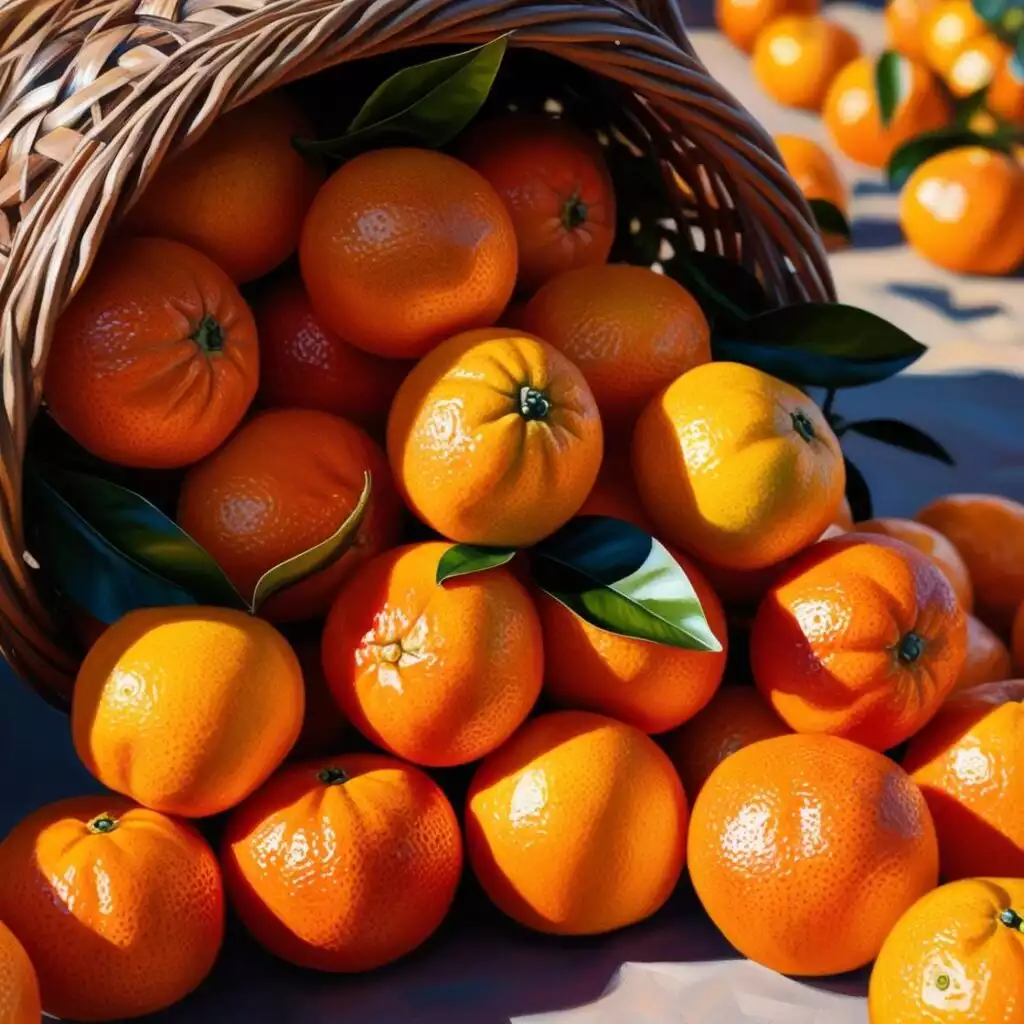
Bodrum Mandarin: a symbol of the peninsula with its thin peel, bright colour and intense citrus scent
Bodrum Mandarin Features: What Makes It Different?
Although citrus is grown in many Mediterranean and Aegean provinces of Turkey, the Bodrum Mandarin (usually called the native or Bodrum mandarin) stands apart with its rich essential oils and distinctive flavour. The sharp scent that spreads to your hands and the room as soon as you peel the fruit is the clearest signature of this variety.
Intense citrus aroma and essence value
Thanks to the high essential oil content of its peel, it is sought after not only for the table but also as a raw material for cologne and natural cosmetics. In spring the blossoming orchards fill the streets of Bitez and Ortakent with a lovely fragrance.
Thin, glossy and easy to peel
It is a small to medium, flattened fruit with grooves around the stem. The peel is thin, slightly rough and easy to remove, turning bright yellow or orange when ripe. The thin peel also means the fruit can be used skin and all in jams and candied sweets.
A fine balance of sweet and slightly tart
Unlike overly sweet, cloying flavours, the Bodrum Mandarin balances sweetness with a refreshing light tartness. It is a seeded variety: according to the geographical indication registration, each fruit contains about 19 seeds on average.
Microclimate and soil
The sea surrounding the Bodrum Peninsula, the cooling summer breezes and rare winter frost help the fruit ripen evenly on the branch. These conditions make it hard to obtain exactly the same aroma elsewhere, even from the same sapling.
Bodrum Mandarin Uses and Gastronomy
Over the years, thanks to the creativity of local growers, women’s cooperatives and chefs, the Bodrum Mandarin has grown from a fruit eaten only in winter into a rich range of products enjoyed all year round:
Fresh fruit, fresh juice and green mandarin
The fruit starts to turn yellow in November; according to the registration document, harvesting begins after 15 December and can continue until the end of February. Ripe fruit is eaten fresh at breakfast and as a snack. Green mandarins picked early in September and October are used instead of lemon to add aroma to salads, meze and seafood.
Mandarin soda, ice cream and liqueur
Local mandarin soda and mandarin ice cream are popular in summer. Bodrum mandarin liqueur is also among the products you can take home as a gift.
Jam, marmalade, candied peel and Turkish delight
Thanks to the thin peel, mandarin jam made with whole or thinly sliced fruit is a much-loved part of Bodrum breakfasts. Candied mandarin peel, mandarin Turkish delight, dried slices and winter teas are made too.
Cosmetics: cologne, soap and essential oils
Oils from the peel are used in products such as refreshing Bodrum mandarin cologne, soap and room fragrance. These products support the local economy and carry the scent of Bodrum into homes.
Bodrum Mandarin History and Geographical Indication
Bodrum Mandarin’s story, according to a Bodrum Municipality publication, goes back to the early 20th century. Some growers describe a past centuries older, so accounts of when it began differ.
- Early 20th century: According to the municipality’s book “The Taste of Tangerine in Bodrum”, the mandarin settled on the peninsula from seeds brought from the eastern Aegean islands and Palestine.
- 1950s: commercial growing According to grower Erman Aras, the mandarin began to be used commercially in these years. The same municipal publication notes that Ömer Aras started growing with 125 saplings in Müsgebi in 1951.
- 1990s and after: Exports to Eastern Europe suffered after the Yugoslav war, and many orchards disappeared under the pressure of tourism and construction. In the following years Bodrum Municipality, civil society groups and growers worked to keep the remaining orchards alive.
- Geographical indication: The product holds designation of origin registration no. 162 under the name “Bodrum Mandarini” and has been protected since 3 December 2009 (Turkish Patent registration document, in Turkish). The registered area covers Ortakent-Yahşi, Bitez, Gümüşlük, Turgutreis, Gündoğan, Konacık, Göltürkbükü and their villages.
Bodrum Mandarin Festival and Harvest Events
To celebrate the Bodrum Mandarin, the symbol of the peninsula, support growers and draw attention to protecting the orchards, a festival is held at harvest time. In recent years its home has been Bitez Köyiçi (the old village centre).
The 17th edition was held on 15 December 2024 and the 18th on 21 December 2025. The programme included a procession to a mandarin orchard, a ceremonial harvest, folk dances, concerts, mandarin treats, sales stalls and children’s activities. For this winter’s date and programme, follow the official Bodrum Municipality announcements.
Harvest Season, Buying and Storage
To enjoy a genuine Bodrum Mandarin at its tastiest and keep it fresh, note these practical points:
- Two harvest periods: “Green mandarins” (tart and intensely aromatic) are picked in September and October; ripe mandarins are harvested from after 15 December until the end of February.
- Authenticity and geographical indication: When buying, look especially for local producer markets and cooperative sales points in Bitez, Ortakent and Dereköy, and for products carrying the geographical indication.
- Proper storage: The thin-skinned fruit does not travel or keep well for long. According to the registration document, it can be stored for about 10 days under normal conditions and 21 days in cold storage at 4–6 °C.
Pros and Things to Consider
Bodrum Mandarin is best judged by weighing both its special strengths and its natural traits against other citrus varieties.
Main strengths
Its lasting fragrance, sweet-tart balance, vitamin C content and a peel that can be used in jam, soda and cosmetics are its main advantages.
Points to watch
It has seeds, which may feel different if you are used to seedless mandarins such as Satsuma. Because the growing area is limited, fresh fruit is hard to find out of season; at those times you can enjoy it as jam, Turkish delight, soda or dried products.
Things to Do around the Mandarin Orchards
If you visit Bodrum not only in summer but also in autumn and winter, there are lovely activities built around the Bodrum Mandarin:
- Orchard walks in Bitez and Ortakent: Especially in spring (April–May), you can walk or cycle through Bitez old village and the narrow stone lanes of Ortakent with the scent of mandarin blossom around you.
- Local producer markets: In the harvest season you can find fresh fruit, homemade jam and mandarin cologne at neighbourhood markets and local sales points.
- Workshops and tastings: At harvest-season festivals and events you can watch mandarin picking and taste local mandarin desserts and drinks.
Places to Visit and Getting to the Mandarin Orchards
On the peninsula, areas where you can see Bodrum Mandarin orchards include Bitez, Ortakent-Yahşi and Dereköy. Getting to these villages:
By dolmuş, bicycle or car
Dolmuş minibuses run from Bodrum bus station towards Bitez, Ortakent and Turgutreis. The flat coast roads of Bitez and Ortakent also suit cycling. From Milas-Bodrum Airport (BJV) you can take a Havaş or Muttaş bus to central Bodrum and continue to these villages by dolmuş or taxi.
Nearby places to visit
The old stone houses and cafés of Bitez old village, Ortakent-Yahşi beach, the quiet village coffee houses of Dereköy, Bodrum Castle and the Museum of Underwater Archaeology are the main stops you can easily combine with your mandarin route.
Review summary
In short, the Bodrum Mandarin is a local product with a geographical indication, known for its intense scent, thin peel and seeds; you can taste it at its ripest in the winter months.
FAQ
When is the Bodrum Mandarin in season?
Early-harvest green mandarins are picked in September and October. The ripe Bodrum Mandarin starts to turn yellow in November, and its harvest runs from after 15 December to the end of February.
Does the Bodrum Mandarin have seeds?
Yes, it is a seeded variety; according to the registration document there are about 19 seeds per fruit on average. Its intense aroma and thin peel are also distinctive.
Does the Bodrum Mandarin have a geographical indication?
Yes. It holds designation of origin registration no. 162 under the name “Bodrum Mandarini” and has been protected since 3 December 2009.
Which neighbourhoods grow the most Bodrum Mandarin?
On the peninsula it is grown mainly in orchards around Bitez, Ortakent-Yahşi, Dereköy and Turgutreis.
What products are made from the Bodrum Mandarin?
Besides fresh fruit, it is made into mandarin soda, jam, marmalade, Turkish delight, liqueur, ice cream, dried slices, cologne and natural soaps.
What is the green Bodrum Mandarin used for?
Green mandarins picked unripe in September and October have a sharp scent and tart taste and are used instead of lemon in salads, olive oil dishes and fish dishes.
When is the Bodrum Mandarin Festival held?
In recent years it has been held in December in Bitez Köyiçi; the 18th edition took place on 21 December 2025. The next date will be confirmed by Bodrum Municipality announcements.
How can you recognise a genuine Bodrum Mandarin?
Look for a thin, slightly rough peel, a small to medium flattened shape, seeds and a sharp citrus scent as soon as it is peeled. Also check for the geographical indication when buying.
How long does the Bodrum Mandarin stay fresh?
According to the registration document, it can be stored for about 10 days under normal conditions and 21 days in cold storage at 4–6 °C.
How can summer visitors to Bodrum enjoy this flavour?
Although the fresh fruit season is closed in summer, local cafés and shops offer Bodrum mandarin soda, mandarin ice cream, jam, Turkish delight and cologne.