

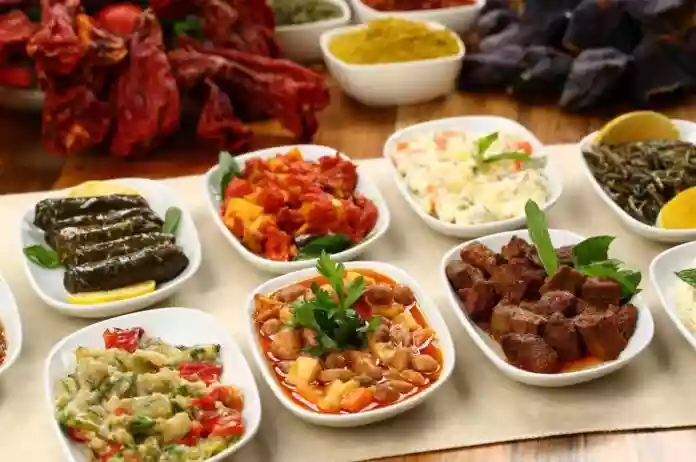
Turkish Meze Types, Turkish Appetizers, Call it hors d’oeuvres, snacks, appetizers or appetizers, appetizers are an indispensable part of the table throughout the country and are the pride and joy of Turks.
Mezes are one of the most important dishes of Turkish cuisine. It consists of a wide variety of appetizers, appetizers, appetizers, vegetables, greens, legumes, tomato paste, yoghurts and cheeses.
Almost every table in Turkey is decorated with some kind of appetizers and Turks like to spend their free time eating small bites for hours. Each appetizer has its own unique flavor that can be strong, spicy and salty and comes with a basket of fresh bread.
The appetizers are definitely not for the hungry, but rather for those who want to satisfy their eyes and taste buds and enjoy this common tradition. The food you fill in follows the starter course and tends to be meat dishes like kebabs or fish.
Turkish Meze Types
However, it is perfectly acceptable to dine only on appetizers or to request a personalized plate of smaller portions, called an “appetizer plate”. While restaurants tend to have refrigerated displays containing their choice of entrees for days, some will offer trays of sample dishes to the table for customers to choose from. What Are Turkish Meze Types? Turkish Appetizers
But you can’t really try them, it’s just for the customer to choose from what’s on offer. When it comes to appetizers, the hardest part is deciding which one to try.
Therefore, below is a list describing some of the most traditional mezes you will encounter when dining out in Turkey. What Are Turkish Meze Types? Turkish Appetizers
Let’s start with the classics:
Meze is a popular style of eating in Turkey and the Middle East that involves serving a variety of small dishes, usually as appetizers or accompaniments to drinks. Here are some common types of meze in Turkey:
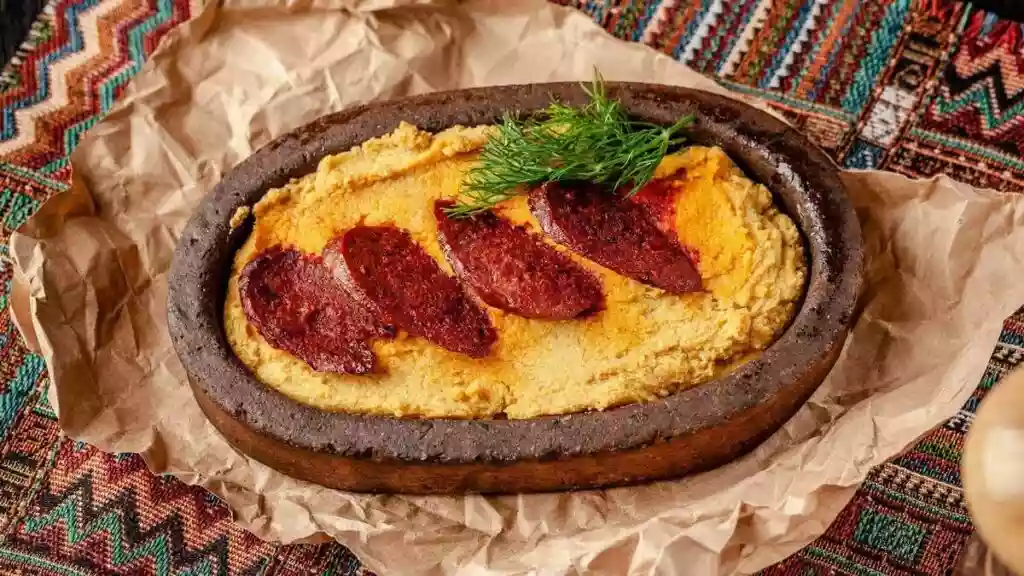
Hummus: A creamy dip made from chickpeas, tahini, lemon juice, and garlic. Humus While hummus is now a household term all over the world, I can pretty much guarantee once you try it in the Turkish preparation, you will never be satisfied with it in its regular form again. This is because in Turkey this dip, which is made from ground chickpeas, tahini, garlic, lemon and olive oil and with or without cumin, is served in clay dishes and topped with sizzling strips of pastırma or pine nuts after being heated up in the oven.
Hummus is a popular Middle Eastern dip made from chickpeas, tahini, lemon juice, garlic, and olive oil. Here’s a simple recipe to make hummus at home:
Ingredients:
- 1 can of chickpeas (15 oz), drained and rinsed
- 1/4 cup tahini
- 1/4 cup freshly squeezed lemon juice
- 1-2 cloves of garlic, minced
- 2-3 tablespoons olive oil
- Salt, to taste
- Water, as needed
Instructions:
- In a food processor or blender, add the chickpeas, tahini, lemon juice, minced garlic, and salt. Pulse until the mixture is smooth and creamy.
- With the food processor running, slowly pour in the olive oil and continue to blend until the mixture is well combined.
- If the mixture is too thick, add water, a tablespoon at a time, until you reach the desired consistency.
- Taste and adjust seasoning, adding more salt or lemon juice as needed.
- Transfer the hummus to a serving dish, drizzle with olive oil, and sprinkle with a pinch of paprika or cumin.
- Serve with pita bread, vegetables, or crackers.
Enjoy your homemade hummus!
CACIK: is actually a Turkish dish. It is a creamy sauce made from yogurt, grated cucumber, garlic, olive oil and fresh herbs such as dill, mint or parsley. CACIK is typically served as a cold appetizer or condiment with grilled meats, vegetables or pita bread. It is a refreshing and delicious dish that is popular in Turkish cuisine and has become popular in many parts of the world. What Are Turkish Meze Types? Turkish Appetizers
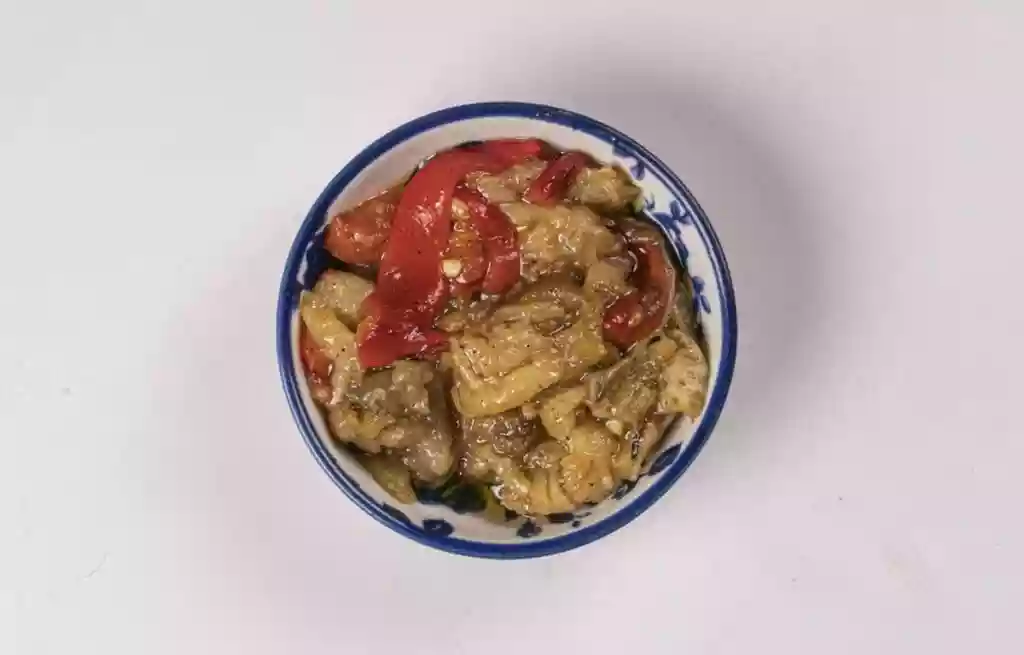
Patlıcan Salatası (Eggplant Salad): A smoky, roasted eggplant dip mixed with garlic, lemon juice, and olive oil. Patlıcan salatası The word for eggplant in Turkish is “patlıcan” and thus, the meze “patlıcan salatası” means eggplant salad in Turkish. However, do not expect a mixture of lettuces and vegetables, as in this case, this salad consists of a very simple medley of smoked eggplant and roasted red peppers that are mixed together in a dressing of olive oil and lemon juice. Just to mix with your mind a little more, some venues serve eggplant salad as simply smoked eggplant and garlic mixed with yogurt. In this case, the meze is referred to as “yoğurtlu patlıcan salatası.”
Cacık: A yogurt-based dip with grated cucumber, garlic, and mint.
Şakşuka: A dish of fried eggplant, zucchini, and peppers in a tomato sauce. Şakşuka The most widespread eggplant meze in Turkey and in the cuisine of the greater Middle East would have to be “şakşuka,” or as it is also sometimes referred to “baba ghanoush.” In this preparation, the eggplant is roasted with green peppers and tomatoes and doused in parsley and an olive oil and tomato sauce. What Are Turkish Meze Types? Turkish Appetizers
Şakşuka is a popular Turkish dish that is made by frying eggplant, zucchini, onions, and peppers in olive oil, and then stewing them in a tomato-based sauce with garlic, herbs, and spices such as cumin and paprika. It can be served hot or cold as an appetizer, a side dish, or a vegetarian main course. Some variations of şakşuka may also include potatoes, carrots, or green beans. It is a flavorful and healthy dish that is enjoyed throughout Turkey and the Middle East. What Are Turkish Meze Types? Turkish Appetizers
Dolma: Stuffed grape leaves with a mixture of rice, herbs, and sometimes meat.
Dolma is a popular Turkish dish that consists of stuffed vegetables, usually grape leaves or bell peppers, with a filling made of rice, herbs, and sometimes meat. The word “dolma” comes from the Turkish word “doldurmak,” which means “to fill.”
To make dolma, the first step is to prepare the filling. The filling usually consists of rice, onions, parsley, mint, dill, and sometimes ground beef or lamb. The rice is often toasted in a bit of olive oil before adding it to the filling mixture to add flavor and texture.
Next, the grape leaves or bell peppers are prepared by blanching them in boiling water to soften them. The filling mixture is then spooned onto the center of each grape leaf or into the cavity of each bell pepper, and the edges are rolled up or folded over to enclose the filling.
The stuffed grape leaves or bell peppers are then placed in a pot with a small amount of water or broth, and cooked on low heat until the filling is cooked and the vegetables are tender. The dolma can be served hot or cold, often with a dollop of yogurt or a squeeze of lemon juice.
Dolma is a flavorful and nutritious dish that is popular throughout Turkey and the Middle East, and it is often served as an appetizer or side dish with other meze dishes.
Sucuklu Yumurta (Sausage and Egg): A dish of sliced Turkish sausage (sucuk) and scrambled eggs.
Sucuklu Yumurta is a popular Turkish breakfast dish that consists of Turkish sausage (sucuk) and scrambled eggs. Sucuk is a dry, spicy sausage made from ground beef or lamb, garlic, and various spices such as cumin, paprika, and red pepper flakes.
To make sucuklu yumurta, the sucuk is sliced into thin rounds and fried in a bit of oil until it is slightly crispy. Then, beaten eggs are added to the pan and scrambled together with the sucuk until the eggs are cooked through. The dish is often garnished with fresh parsley or green onions and served hot with crusty bread.
Sucuklu yumurta is a hearty and flavorful breakfast dish that is popular throughout Turkey, and it is often enjoyed with a cup of Turkish tea or coffee. It is also sometimes served as a brunch or lunch dish, and it can be customized with additional spices or vegetables such as tomatoes, peppers, or onions. What Are Turkish Meze Types? Turkish Appetizers
Köfte (Meatballs): Ground meat mixed with spices and sometimes bulgur or rice, formed into small balls and served with a variety of sauces.
Piyaz (Bean Salad): A salad of white beans, onions, and parsley dressed with olive oil and vinegar.
Piyaz, also known as bean salad, is a popular Turkish dish that consists of boiled beans and other vegetables mixed together in a flavorful dressing. Here’s a recipe you can try at home:
Ingredients:
- 2 cups cooked white beans (canned or homemade)
- 1 red onion, thinly sliced
- 1/2 cup chopped parsley
- 1/4 cup chopped mint leaves
- 1 red bell pepper, diced
- 1/4 cup olive oil
- 2 tablespoons red wine vinegar
- 1 teaspoon salt
- 1/2 teaspoon black pepper
Instructions:
- Rinse the cooked beans under cold water and drain well.
- In a large bowl, mix together the beans, red onion, parsley, mint leaves, and red bell pepper.
- In a small bowl, whisk together the olive oil, red wine vinegar, salt, and black pepper to make the dressing.
- Pour the dressing over the bean mixture and toss to combine.
- Cover the bowl with plastic wrap and refrigerate for at least 1 hour before serving.
- Serve chilled, garnished with additional parsley and mint leaves, if desired.
Enjoy your delicious piyaz!
What Are Turkish Meze Types? Turkish Appetizers
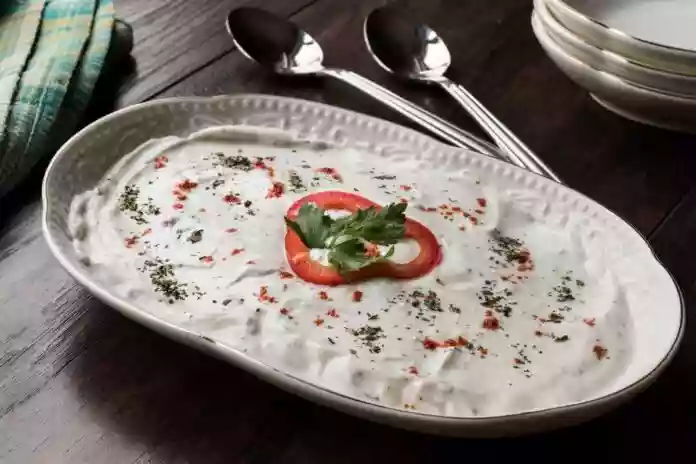
Haydari: A creamy dip made from yogurt, garlic, and herbs like dill and mint. Haydari This refreshing meze perfectly complements the spicy mezes that adorn the table as it is centered on yogurt, garlic and spices such as dill and mint. What Are Turkish Meze Types? Turkish Appetizers
Haydari is a Turkish meze dish that is similar to tzatziki, made with strained yogurt, garlic, and herbs. It is often served as an appetizer or side dish with bread, vegetables, or meat. Here’s a recipe you can try at home:
Ingredients:
- 2 cups strained yogurt (Turkish yogurt)
- 2 cloves garlic, minced
- 1/4 cup chopped fresh dill
- 1/4 cup chopped fresh mint
- 2 tablespoons extra-virgin olive oil
- 1 teaspoon salt
- 1/2 teaspoon black pepper
Instructions:
- In a medium bowl, mix together the yogurt, garlic, dill, mint, olive oil, salt, and black pepper until well combined.
- Taste and adjust seasoning as necessary.
- Cover the bowl with plastic wrap and refrigerate for at least 1 hour before serving.
- Serve chilled, garnished with additional dill and mint leaves, if desired.
You can serve haydari with pita bread, crackers, or sliced vegetables for dipping. Enjoy your delicious haydari!
Acılı ezme: Similar to the salsa served in Mexico, “acılı ezme” consists primarily of tomatoes, green peppers, onions, garlic and lemon juice that is mashed together. Where it differs and takes on a Turkish twist, is with the addition of olive oil, red pepper paste, paprika flakes, pomegranate molasses and a pinch of mint. Some are spicier than others, but it is best to take this opportunity to note the word “acılı,” which means spicy. What Are Turkish Meze Types? Turkish Appetizers
Köpoğlu: When the same medley of vegetables as above, ie. eggplant, green peppers and tomatoes, are combined with a garlicky yogurt sauce, the dish is referred to as “köpoğlu.”
Köpoğlu is a traditional Turkish dish that consists of grilled eggplant, peppers, and tomatoes, topped with a tomato sauce and served with yogurt. Here’s a recipe you can try at home:
Ingredients:
- 2 large eggplants
- 2 green bell peppers
- 2 red bell peppers
- 4 large tomatoes
- 3 cloves garlic, minced
- 1/4 cup chopped fresh parsley
- 2 tablespoons tomato paste
- 2 tablespoons olive oil
- 1 teaspoon salt
- 1/2 teaspoon black pepper
- 1 cup plain yogurt
Instructions:
- Preheat your grill to high heat.
- Cut the eggplants into 1-inch-thick rounds and slice the bell peppers in half, removing the seeds and stem. Cut the tomatoes into quarters.
- Brush the eggplant, peppers, and tomatoes with olive oil and sprinkle with salt and black pepper.
- Grill the vegetables until they are charred and tender, about 8-10 minutes per side for the eggplant and peppers, and 3-4 minutes per side for the tomatoes.
- While the vegetables are grilling, make the tomato sauce. In a small saucepan, heat the olive oil over medium heat. Add the minced garlic and sauté for 1-2 minutes until fragrant. Add the tomato paste and stir to combine. Add 1 cup of water and whisk until the sauce is smooth. Simmer for 5-7 minutes until the sauce has thickened slightly.
- To serve
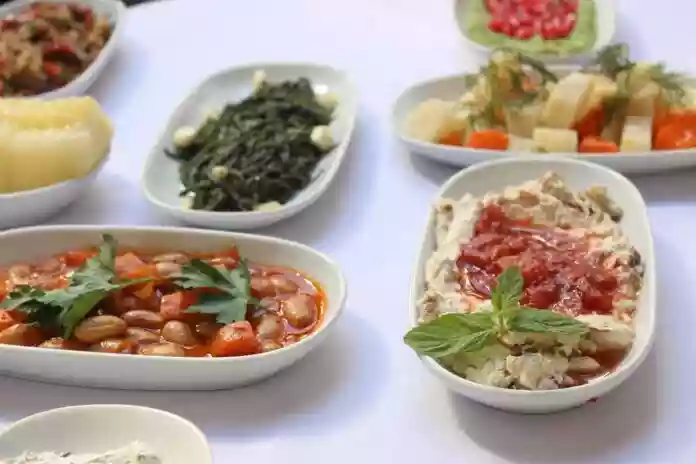
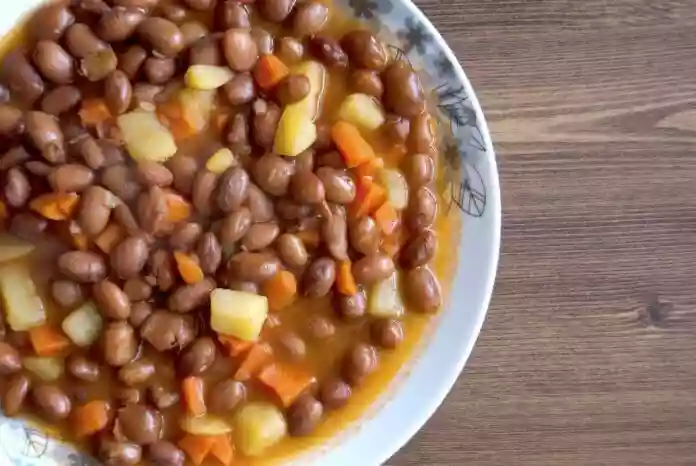
Barbunya pilaki: The most prevalent meze centered on beans is “barbunya pilaki.” Barbunya refers to the borlotti bean, aka as the cranberry bean, and “pilaki” is a term for the cooking style in which beans or fish are prepared with onions, garlic, tomatoes, carrots and parsley and cooked in olive oil.
Taze fasulye: A similar variation of pilaki is “taze fasulye,” which is long green beans that are cooked with onions and tomatoes in olive oil. “Börülce” is yet another variation, in this case, centered on whole or shelled black-eyed peas.
Bakla or fava: The beloved broad bean takes a different turn in Turkey in which the beans are either shelled or left in their green casing and prepared with the distinct flavor combination of sautéed onions, ample dill weed, olive oil and lemon juice, to become the meze referred to as “zeytinyağlı bakla” or the whole mixture can be blended together into a thick paste, which can be served in slices when cold or as a hot puree and is referred to as “fava.”
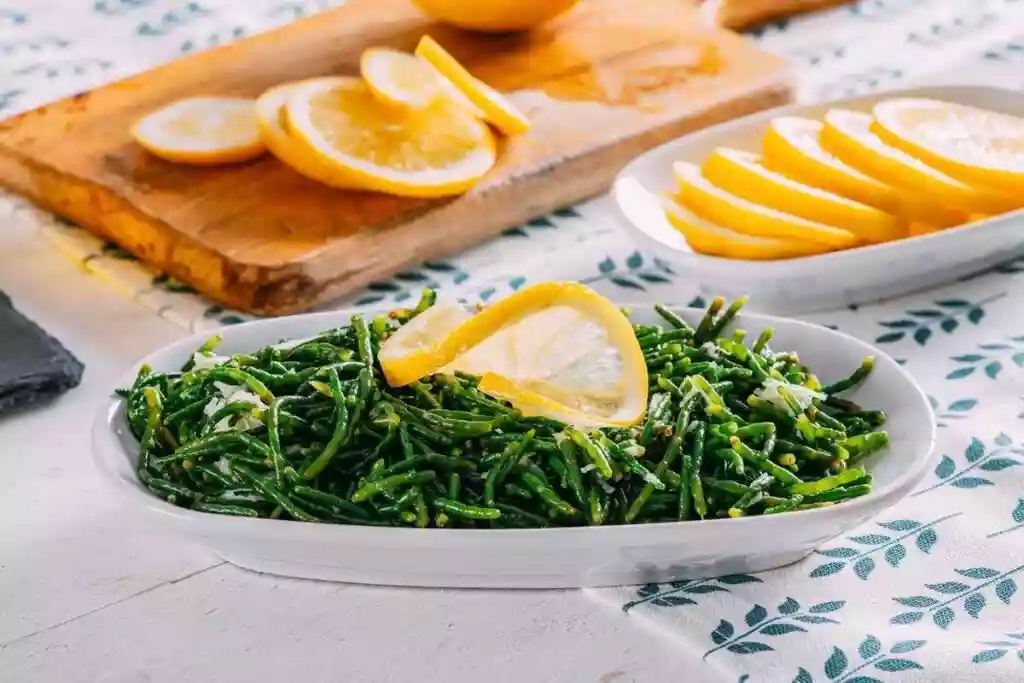
Deniz börülcesi: While samphire, or “deniz börülcesi” in Turkish, is actually a succulent, its application in the meze format in which it is blanched and dressed in olive oil, crushed garlic and lemon juice is the same process used to prepare most seasonal greens.
Semiz otu: This popular meze, which incorporates purslane, garlic and yogurt, is actually one of the milder mezes out there. What Are Turkish Meze Types? Turkish Appetizers
Havuç tarator: Sauteed grated carrots are combined with garlic and yogurt in the mouth-watering meze referred to as “havuç tarator” or “havuç borani.” In another variation, carrots are substituted with zucchini, in which case the meze is called “kabak borani,” but not to be confused with a stew-like dish of the same name that is made in Hatay.
Atom: Let’s finish with a bang: “Atom” is a meze of grilled peppers, the hotter the better, which are mixed into garlicky yogurt, so proceed with caution! What Are Turkish Meze Types? Turkish Appetizers
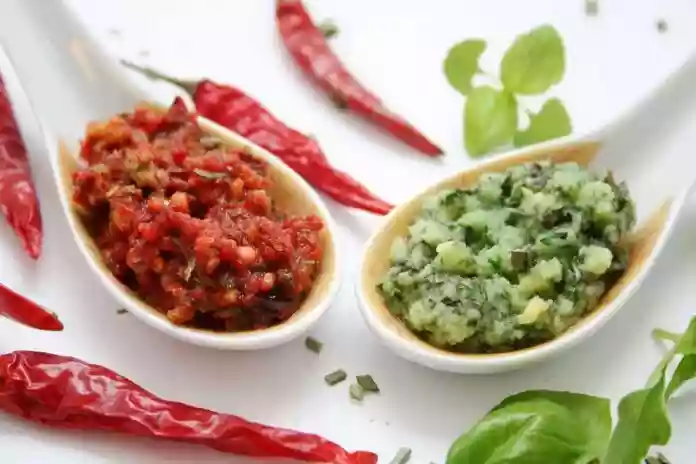
Muhammara: Originating in Syria but also popular in Levantine and Turkish cuisine, where it is sometimes referred to as “acuka,” “muhammara” is a rich paste made from freshly roasted red peppers and its paste, tomato paste, bread crumbs, crushed walnuts, cumin, paprika and lots of garlic, which is blended up with olive oil and served both as a meze or as a breakfast spread.
Girit Ezmesi: The name “Girit Ezmesi” in other words, Cretan mash, denotes where this delicious dip hails from. While preparations can vary, the constant in this meze is crushed feta cheese, walnuts and garlic that is mixed in with fresh herbs, which can vary from dill weed to basil or even roasted peppers.
Mütebbel: This Lebanese meze can be found occasionally in Turkey and when so, it is like winning the lottery as the delicious “mütebbel” consists of a combination of smoked eggplant, garlicky yogurt and the special addition of tahini. What Are Turkish Meze Types? Turkish Appetizers
Topik: Another rare find, but well worth trying if you come across it, is the Armenian meze called “topik,” which is a paste-like mixture of chickpeas and possibly potatoes, which is either stuffed or accompanied by caramelized onions, pine nuts, herbs such as allspice and cumin and tahini. What Are Turkish Meze Types? Turkish Appetizers
These are just a few examples of the many different types of meze you might find in Turkey. Meze is often served with fresh bread, olives, and other small dishes to create a satisfying and varied meal. Bodrum Restaurants

