

Red Dragon Chinese Restaurant Bodrum, offers you the most popular tastes of Chinese cuisine with a great opportunity. Turkey entered the top ten among the Chinese Red Dragon Chinese restaurant, Red Dragon Tourism Co. It is one of the five restaurants serving Far Eastern style.
Red Dragon Chinese, which entered service in Alsancak in 1983, has a stylish and ethnic atmosphere with decoration products dominated by Far Eastern motifs brought from Shanghai and Beijing. Red Dragon, Chinese Restaurant Bodrum
Red Dragon Tourism Inc. Today, it is a restaurant chain business with five restaurants serving Far Eastern style in İzmir and Bodrum.
Red Dragon Chinese Restaurant Bodrum

What are the Chinese Restaurant features?
Chinese restaurants can have a variety of features depending on their location, target clientele, and the style of Chinese cuisine they serve. Some common features of Chinese restaurants include:
- Open Kitchen: Many Chinese restaurants have an open kitchen where customers can see the chefs preparing their food. This can add to the overall dining experience and allow customers to witness the culinary skills of the chefs.
- Large Dining Room: Chinese restaurants typically have a large dining room with plenty of seating. This is to accommodate large groups and families who often dine together in Chinese culture.
- Decor: Many Chinese restaurants feature Chinese-inspired decor such as lanterns, dragons, and calligraphy. The decor can vary depending on the restaurant’s theme and style of cuisine. Red Dragon, Chinese Restaurant Bodrum
- Lazy Susan: Many Chinese restaurants have a Lazy Susan, which is a rotating plate placed in the center of the table. This allows diners to share dishes with ease and promotes communal dining.
- Tea: Chinese restaurants often serve tea as a complimentary beverage. Tea is an important part of Chinese culture and is often served as a sign of hospitality.
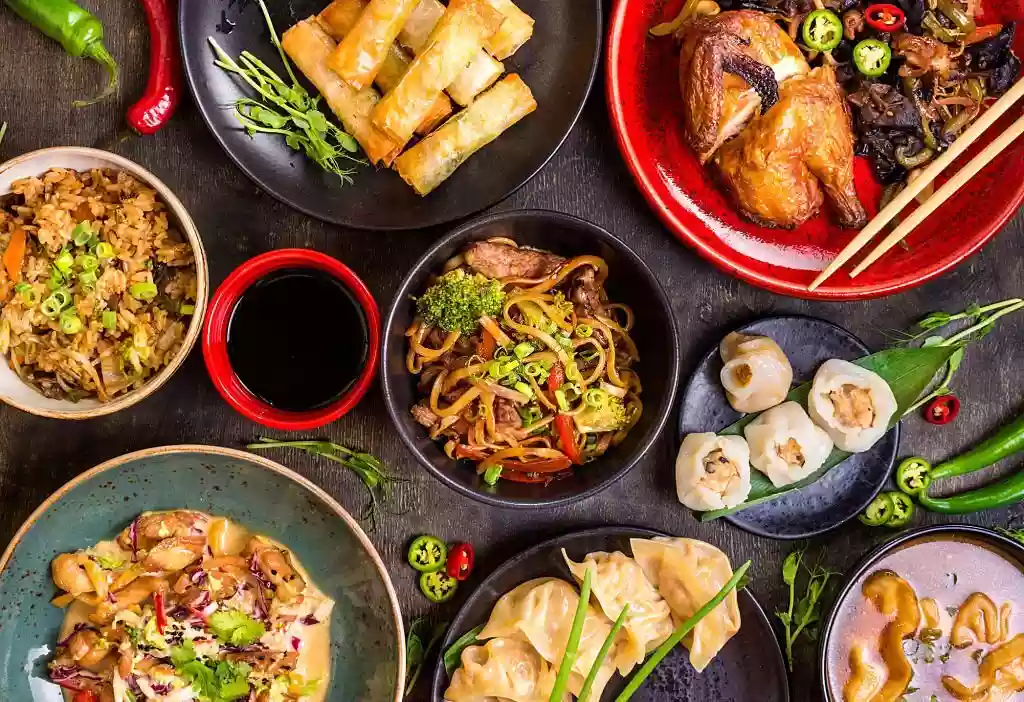
- Variety of Dishes: Chinese restaurants typically offer a variety of dishes that reflect the regional diversity of Chinese cuisine. Some popular dishes include sweet and sour chicken, Kung Pao chicken, beef and broccoli, lo mein noodles, dumplings, and egg rolls.
- Family-Style Service: Chinese restaurants often serve dishes family-style, meaning that dishes are shared among the table. This promotes communal dining and creates a sense of unity among diners.
What’s on Chinese Restaurant Menus?
Chinese restaurant menus can vary depending on the location, target clientele, and the style of Chinese cuisine they serve. However, there are some common dishes that you are likely to find on most Chinese restaurant menus. Here are some examples:
Appetizers:
- Spring rolls: crispy fried rolls filled with vegetables or meat
- Pot stickers/dumplings: steamed or fried dumplings filled with meat or vegetables
- Wontons: bite-sized dumplings filled with minced meat or seafood
Soup:
- Hot and sour soup: a spicy and tangy soup made with vegetables, mushrooms, tofu, and often pork or chicken
- Egg drop soup: a mild soup made with beaten eggs and chicken broth
- Chicken corn soup: a creamy soup made with corn, chicken, and egg
Entrees:
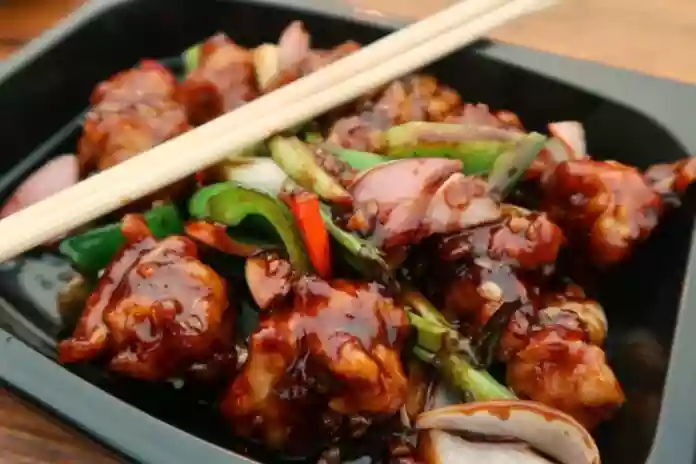
- Kung Pao chicken: diced chicken stir-fried with peanuts, vegetables, and spicy sauce
- General Tso’s chicken: crispy fried chicken in a sweet and spicy sauce
- Mongolian beef: thinly sliced beef stir-fried with onions, scallions, and a savory sauce
- Beef and broccoli: tender beef and broccoli stir-fried in a savory sauce
- Sweet and sour pork: crispy fried pork with a sweet and tangy sauce
Noodles and Rice:
- Lo mein: egg noodles stir-fried with vegetables, meat, and/or seafood
- Fried rice: steamed rice stir-fried with vegetables, egg, and/or meat
- Chow mein: crispy fried noodles topped with stir-fried vegetables, meat, and/or seafood
Desserts:
- Fortune cookies: crisp, sweet cookies with a fortune inside
- Fried sesame balls: sweet glutinous rice balls filled with sesame paste and deep-fried
- Mango pudding: a creamy pudding made with mango puree and coconut milk
Beverages:
- Hot tea: often served complimentary with the meal
- Soft drinks: such as Coca-Cola, Sprite, or iced tea
- Chinese beer: such as Tsingtao or Snow Beer
I can provide you with a recipe for hot and sour soup. Please keep in mind that there are many variations of this recipe and the ingredients can vary depending on the chef’s preferences. Here is a simple recipe: Red Dragon, Chinese Restaurant Bodrum
Ingredients:
- 4 cups chicken broth
- 1 cup sliced shiitake mushrooms
- 1/2 cup sliced bamboo shoots
- 1/2 cup sliced tofu
- 1/4 cup rice vinegar
- 1 tablespoon soy sauce
- 1 tablespoon chili paste or hot sauce (adjust to taste)
- 1 tablespoon cornstarch
- 2 eggs, lightly beaten
- 1/4 cup sliced green onions
- Salt and pepper, to taste
Instructions:
- In a large pot, bring chicken broth to a boil.
- Add sliced shiitake mushrooms, bamboo shoots, and tofu to the pot.
- In a small bowl, whisk together rice vinegar, soy sauce, chili paste or hot sauce, and cornstarch until smooth.
- Slowly pour the mixture into the pot, stirring continuously.
- Reduce heat to medium-low and simmer for 5-7 minutes, or until the soup has thickened slightly.
- Slowly pour the beaten eggs into the pot, stirring the soup gently to create egg ribbons.
- Add sliced green onions to the soup and stir to combine.
- Season with salt and pepper to taste.
- Serve hot.
Enjoy your hot and sour soup!
Kung Pao chicken is a classic Sichuan dish that is known for its spicy, savory, and slightly sweet flavor. Here’s a simple recipe for making Kung Pao chicken at home:
Ingredients:
- 1 pound boneless, skinless chicken breast, cut into small pieces
- 1/2 cup roasted peanuts
- 2 tablespoons vegetable oil
- 2 tablespoons soy sauce
- 1 tablespoon Chinese rice wine or dry sherry
- 1 tablespoon cornstarch
- 1 tablespoon sugar
- 2 teaspoons vinegar
- 1 teaspoon Sichuan peppercorns
- 3-4 dried red chilies
- 3 cloves garlic, minced
- 1-inch piece fresh ginger, peeled and minced
- 4-5 green onions, sliced
- Salt to taste
Instructions:
- In a small bowl, mix together soy sauce, rice wine or sherry, cornstarch, sugar, and vinegar. Set aside.
- Heat a wok or large skillet over high heat. Add vegetable oil and swirl to coat the bottom of the pan.
- Add Sichuan peppercorns and dried chilies to the pan and stir-fry for 30 seconds, or until fragrant.
- Add chicken to the pan and stir-fry for 3-4 minutes, or until browned and cooked through.
- Add garlic and ginger to the pan and stir-fry for 30 seconds.
- Pour the sauce mixture over the chicken and stir-fry for another minute or until the sauce has thickened and coated the chicken.
- Add green onions and roasted peanuts to the pan and stir-fry for another 30 seconds.
- Remove from heat and season with salt to taste.
- Serve hot with steamed rice.
Enjoy your homemade Kung Pao chicken!
Here are some things you might want to consider when going to a Chinese restaurant:
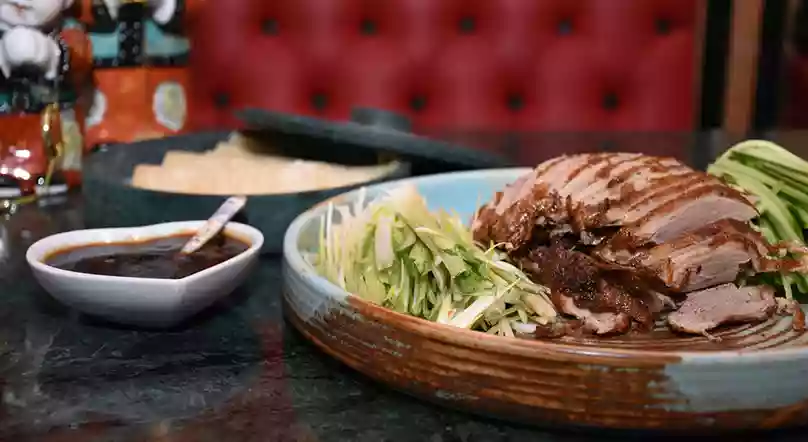
- Cuisine style: Chinese cuisine is diverse and there are many different regional styles of cooking, so it’s important to consider what type of Chinese food you’re in the mood for. Some popular styles include Sichuan, Cantonese, Hunan, and Beijing.
- Menu: Before going to the restaurant, take a look at the menu online or in person to see what dishes are available. Some restaurants may offer a more traditional or authentic menu, while others may have a more fusion-style menu.
- Dietary restrictions: If you have any dietary restrictions or allergies, make sure to inform the server or the chef before ordering. Many Chinese dishes contain soy sauce, wheat, peanuts, or other common allergens.
- Spice level: Some Chinese dishes can be very spicy, so consider how much heat you can handle before ordering.
- Authenticity: If you’re interested in trying authentic Chinese cuisine, look for a restaurant that specializes in a specific regional cuisine or has a predominantly Chinese clientele.
- Service and atmosphere: Consider the level of service and atmosphere you’re looking for. Some Chinese restaurants may be more casual and have a more laid-back atmosphere, while others may be more formal and upscale.
- Price: Chinese restaurants can range from very affordable to quite expensive, so consider your budget when choosing a restaurant.
Overall, it’s important to do some research and consider your preferences and needs when choosing a Chinese restaurant to ensure you have an enjoyable dining experience.
What are the average prices?
The average prices in Chinese restaurants can vary depending on factors such as location, type of restaurant, and menu offerings. However, here are some rough estimates in Euros for different types of Chinese restaurants:
- Casual Chinese restaurant: For a simple, casual Chinese restaurant, you can expect to pay around €10-€20 per person for a meal that includes an appetizer, a main dish, and a drink.
- Mid-range Chinese restaurant: For a mid-range Chinese restaurant with a wider variety of dishes and more upscale decor, you can expect to pay around €20-€40 per person for a meal that includes an appetizer, a main dish, and a drink.
- High-end Chinese restaurant: For a high-end Chinese restaurant with more elaborate dishes and upscale decor and service, you can expect to pay around €50 or more per person for a meal that includes multiple courses, drinks, and possibly wine.
Again, these are rough estimates and prices can vary depending on location and other factors. It’s always a good idea to check the menu and prices of a specific restaurant before going to get a better idea of what to expect.
Red Dragon Chinese Restaurant Bodrum
Eskiçeşme, Neyzen Tevfik Cd. No:150, 48400 Bodrum/Muğla

