

PRP Application Bodrum is a widely requested regenerative treatment used for skin rejuvenation, hair strengthening, and tissue repair. PRP (Platelet-Rich Plasma) therapy uses the patient’s own blood to stimulate natural healing processes and collagen production.
Because it is derived from the patient’s own plasma, PRP is considered a natural and minimally invasive procedure with low risk of allergic reaction.
PRP Application Bodrum
What Is PRP?
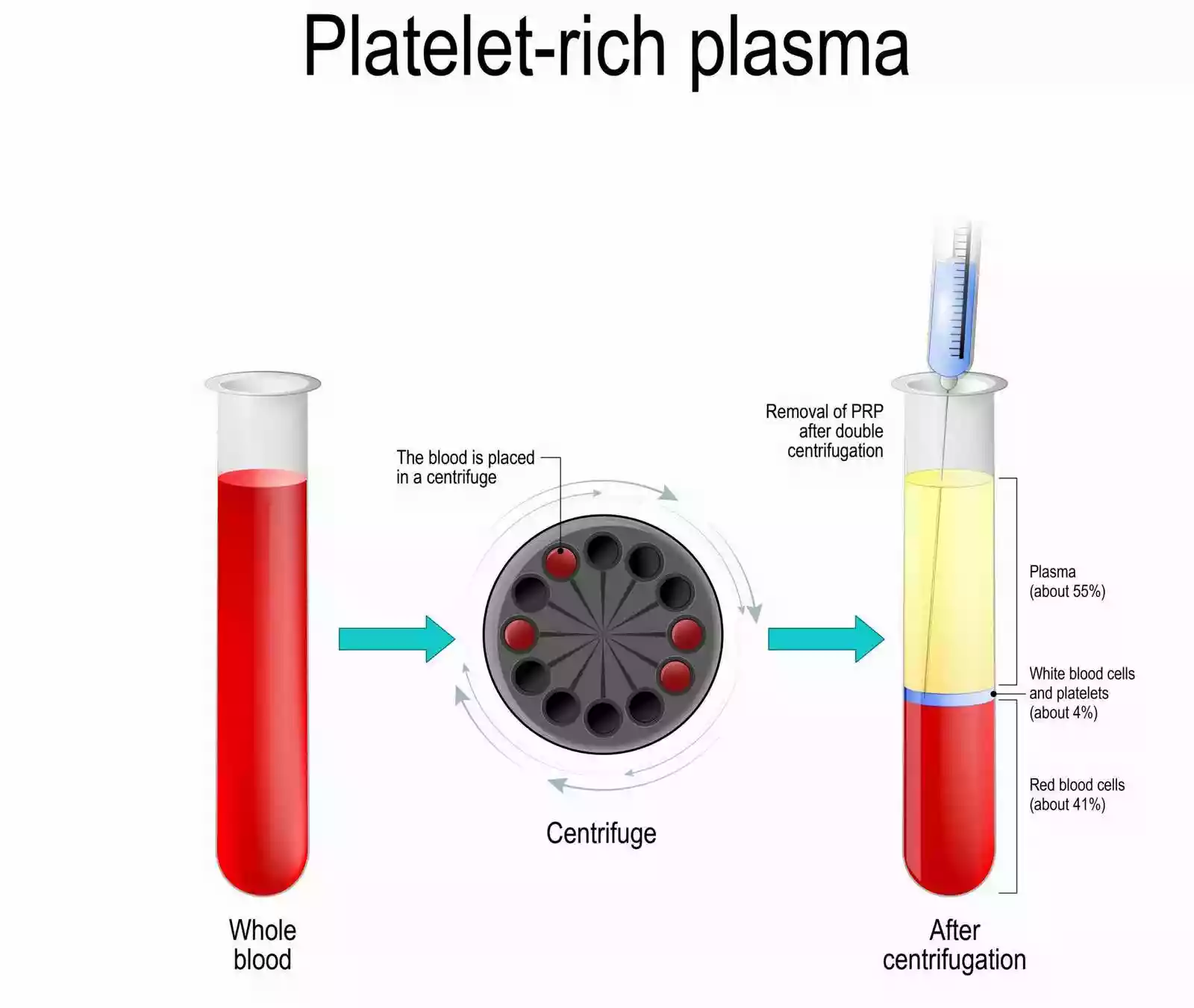
PRP stands for Platelet-Rich Plasma. It is obtained by drawing a small amount of the patient’s blood and processing it in a centrifuge to separate the plasma rich in platelets.
Platelets contain growth factors that help stimulate:
- Collagen production
- Tissue regeneration
- Cellular repair
- Blood circulation
- PRP Application Bodrum
PRP Application Bodrum clinics use sterile medical-grade systems to prepare plasma under controlled conditions.
How PRP Treatment Works
The procedure typically follows these steps:
Blood Collection
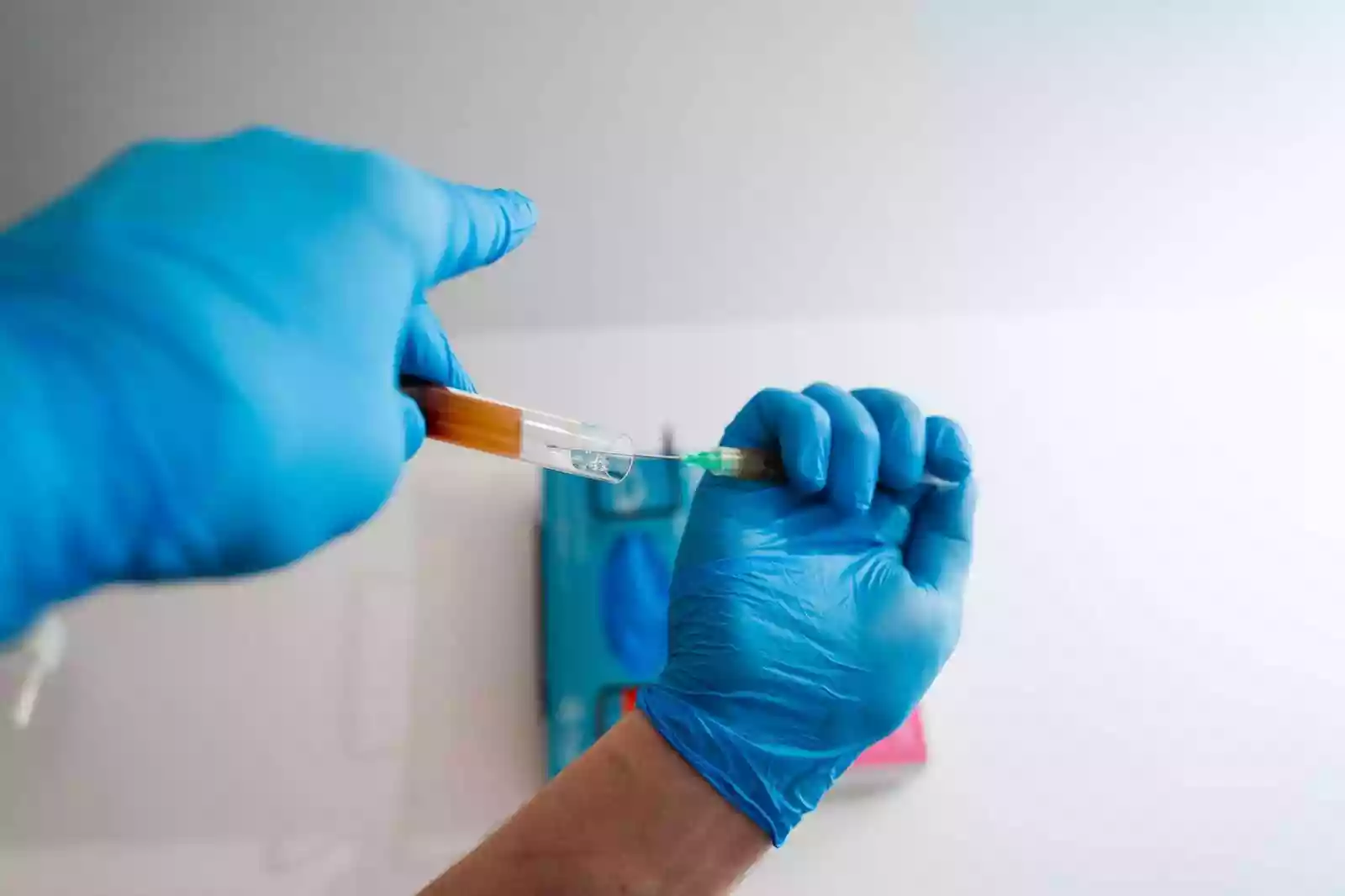
A small blood sample is taken from the patient.
Centrifugation
The blood is spun in a centrifuge to separate platelet-rich plasma.
Injection
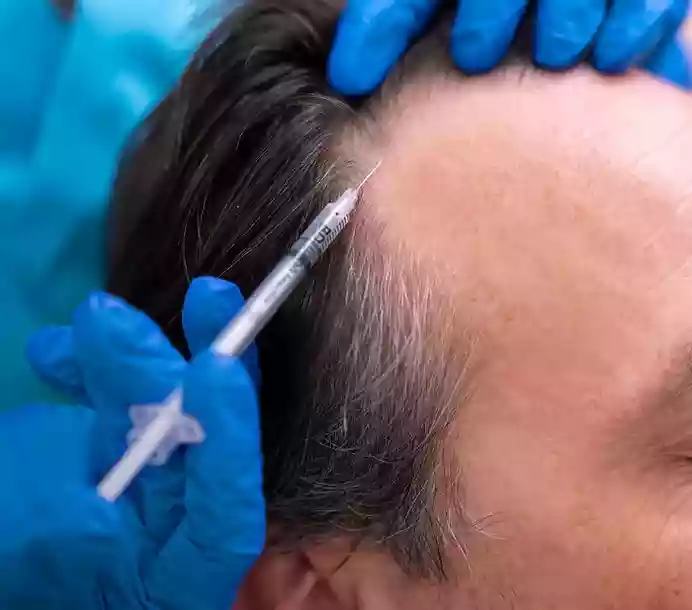
The concentrated plasma is injected into the targeted area.
The entire session usually takes 30–60 minutes.
PRP for Hair Treatment
PRP Application Bodrum is commonly used for hair restoration support.
Benefits for Hair
- Strengthens hair follicles
- Reduces hair shedding
- Improves hair thickness
- Supports hair transplant recovery
- PRP Application Bodrum
PRP is often recommended as a complementary treatment after FUE or DHI hair transplant procedures.
PRP for Skin Rejuvenation
PRP is also popular in aesthetic medicine.
Facial PRP (Vampire Facial)
Used to improve:
- Fine lines
- Skin texture
- Acne scars
- Dull skin tone
- PRP Application Bodrum
PRP stimulates collagen and elastin production, leading to gradual skin improvement.
PRP for Under-Eye Treatment
PRP injections may help reduce:
- Dark circles
- Mild hollowness
- Fine wrinkles
- PRP Application Bodrum
Because it is a natural product derived from the patient’s blood, it is often preferred for delicate areas.
How Many Sessions Are Needed?
PRP Application Bodrum treatments are usually performed in sessions.
- 3 sessions spaced 3–4 weeks apart are commonly recommended.
- Maintenance sessions every 6–12 months may be advised.
Results develop gradually as collagen production increases.
Is PRP Painful?
PRP injections are generally well tolerated.
- Topical numbing cream may be applied.
- Mild swelling or redness may occur temporarily.
- Most patients resume daily activities immediately.
- PRP Application Bodrum
Who Is a Good Candidate?
PRP Application Bodrum is suitable for:
- Individuals with early-stage hair thinning
- Patients seeking natural skin rejuvenation
- People wanting non-surgical anti-aging solutions
- PRP Application Bodrum
It may not be recommended for patients with certain blood disorders or active infections.
Advantages of PRP Treatment
PRP offers several benefits:
- Natural treatment using own blood
- Minimal downtime
- Low risk of allergic reaction
- Supports regenerative healing
- Can be combined with other treatments
- PRP Application Bodrum
Why Choose PRP Application Bodrum?
PRP Application Bodrum is preferred due to:
Modern Medical Facilities
Clinics use certified centrifuge systems and sterile protocols.
Experienced Practitioners
Trained medical professionals perform injections.
Affordable Pricing
Costs are lower compared to many European countries.
Combination Treatments
PRP can be combined with hair transplant, mesotherapy, or aesthetic procedures.
Aftercare Recommendations
After PRP treatment:
- Avoid intense sun exposure for 24–48 hours
- Avoid heavy exercise on the same day
- Do not wash hair for several hours (for scalp PRP)
- Follow clinic-specific guidelines
- PRP Application Bodrum
Proper aftercare supports optimal results.
How Long Do Results Last?
Results vary depending on the treatment area.
- Hair PRP results may last 6–12 months.
- Facial PRP results develop over weeks and can last several months.
Maintenance sessions are often recommended for sustained benefits.
Final Overview
PRP Application Bodrum provides a natural regenerative treatment option for patients seeking hair strengthening and skin rejuvenation without surgery. By using the body’s own growth factors, PRP stimulates gradual improvement in tissue quality and cellular repair.
When performed by qualified medical professionals in a controlled clinical setting, PRP therapy offers a safe and effective option for individuals looking to enhance appearance and support regenerative healing.
PRP Application Bodrum
PRP can be used for a variety of medical and dental applications, including:
- Soft tissue healing and regeneration
- Hair restoration
- Orthopedic and sports medicine treatments
- Facial rejuvenation and skin care
- Dental procedures, such as gum tissue regeneration and implant surgery
In the context of dental procedures, PRP can be used to promote healing and regeneration of the gum tissue after surgical procedures, such as gum grafts or flap surgeries. PRP can also be used to enhance bone growth and stability during implant placement and to reduce postoperative pain and swelling.
The application of PRP during a dental procedure typically involves injecting the concentrated plasma into the targeted area. The growth factors and platelets in the PRP stimulate the body’s natural healing processes, promoting tissue regeneration and reducing recovery time.
PRP can be used for a variety of medical and dental applications, including:
- Soft tissue healing and regeneration
- Hair restoration
- Orthopedic and sports medicine treatments
- Facial rejuvenation and skin care
- Dental procedures, such as gum tissue regeneration and implant surgery
In the context of dental procedures, PRP can be used to promote healing and regeneration of the gum tissue after surgical procedures, such as gum grafts or flap surgeries. PRP can also be used to enhance bone growth and stability during implant placement and to reduce postoperative pain and swelling.
The application of PRP during a dental procedure typically involves injecting the concentrated plasma into the targeted area. The growth factors and platelets in the PRP stimulate the body’s natural healing processes, promoting tissue regeneration and reducing recovery time.
PRP is considered a safe and effective treatment option with minimal side effects. However, as with any medical or dental procedure, there are risks and benefits that should be carefully considered before deciding to proceed with PRP treatment. It’s important to have a consultation with a dentist or medical professional to discuss whether PRP is right for you and to determine the specific risks and benefits involved in your particular case.
PRP is the abbreviated name of the treatment method called “Platelet Rich Plasma, application of plasma enriched in platelet (platelet, coagulation cell)”. It is the process of separating the product obtained from the thrombocyte cells of the patient’s own blood with a special method and injecting it back into the patient’s body. It makes the skin look young, fresh, taut and bright.
PRP Application;
In PRP treatment, blood is taken from the person and placed in special tubes. Special tubes are placed in the centrifuge device rotating at high speed. The centrifuge device must rotate at a certain speed and time in order to obtain rich plasma from platelet cells. Thus, we obtain PRP. Then, the PRP is drawn into a syringe and the area is prepared for injection. Depending on the nature of the problem, PRP can be applied to several areas with small injections. For deeper injections, an anesthetic injection may be made first to make the procedure more comfortable. Generally, PRP application is completed in less than an hour.
When Are the Results of PRP Treatment Seen?
The results of PRP (Platelet-Rich Plasma) treatment can vary depending on the individual and the condition being treated. However, some improvement is usually seen within 2-6 weeks after the procedure. The full effects of PRP treatment may take several months to be fully realized, as the body needs time to heal and regenerate tissue.
It’s important to keep in mind that PRP treatment is not a one-time fix, and the effects may not be permanent. In some cases, multiple treatments may be needed to maintain the desired results. It’s also important to have realistic expectations about the results of PRP treatment and to discuss these expectations with your doctor before undergoing the procedure.
Since PRP treatment is based on the regeneration of the skin or the applied tissue, it is wrong to wait for the result of the treatment immediately. The results of PRP treatment appear after the second or third session.
After PRP treatment for aesthetic purposes, skin tightening and sagging are reduced, wrinkles are alleviated, skin spots are brightened, skin color shines and scars are reduced. After the applications to the scalp, an increase in hair thickness and condensation in rare areas are observed.
How often should PRP be done?
PRP treatment should be performed in 4-6 sessions at intervals of 1-4 weeks. PRP can be applied again after 6-12 months.
Platelet-rich plasma (PRP) therapy is typically performed once every 4-6 weeks, although the frequency of treatment can vary depending on the individual’s medical condition and the desired outcome. Some conditions may require more frequent treatments, while others may require less frequent treatments or even just a single treatment.
It is important to consult with a medical professional to determine the appropriate frequency of PRP therapy for your specific needs. Your doctor will consider factors such as the severity of your condition, your medical history, and any other relevant health information to determine the best course of treatment.
Who is PRP not applied to?
PRP (Platelet-rich plasma) therapy is not recommended for individuals with certain medical conditions or those taking certain medications. PRP should not be used in patients with the following conditions:
- Blood-related disorders such as bleeding disorders, low platelet count (thrombocytopenia), or active infections
- Cancer: PRP should not be used in patients with a history of cancer, as the platelets in the plasma may stimulate the growth of cancer cells.
- Blood thinning medications: PRP should not be used in individuals who are taking blood thinners such as warfarin or heparin, as these medications can increase the risk of bleeding.
- Pregnancy: PRP should not be used in pregnant women, as there is a lack of information regarding its safety during pregnancy.
- Severe liver or kidney disease: PRP should not be used in individuals with severe liver or kidney disease, as these organs play a crucial role in blood clotting and the clearance of waste products from the body.
It is important to consult with a qualified medical professional to determine if PRP therapy is appropriate for your specific needs and medical history. They will consider factors such as the severity of your condition, your medical history, and any other relevant health information to determine the best course of treatment.
It is not applied to those who take blood thinners, those with a history of cancer, those with blood diseases, those with autoimmune diseases, those with infection and inflammation in the area to be treated, and those who are pregnant and breastfeeding.
Are there any side effects of PRP application?
Platelet-rich plasma (PRP) therapy is generally considered safe, and side effects are usually mild and short-lived. However, like any medical procedure, PRP therapy can have some potential side effects. Some of the most common side effects of PRP include:
- Pain and swelling at the injection site: This is the most common side effect of PRP, and it usually lasts for a few days.
- Bruising: Bruising is also a common side effect of PRP, especially if the injection was performed using a needle.
- Infection: PRP therapy carries a low risk of infection, but it is possible if the skin is not properly cleaned or if the needle used for the injection is not sterile.
- Allergic reactions: Although rare, allergic reactions can occur with PRP therapy, particularly if the patient has a history of allergies.
- Adverse reactions to anesthesia: Some individuals may have an adverse reaction to the local anesthesia used during the procedure.
- Failure to achieve desired results: In some cases, PRP therapy may not produce the desired results, and additional treatments may be needed.
It is important to consult with a qualified medical professional to determine if PRP therapy is appropriate for your specific needs and medical history. They will also discuss any potential side effects or risks associated with the procedure and answer any questions you may have.
Since PRP treatment is completely personal, no side effects are expected. Since the person’s own blood is used, the risk of allergy is low. There is no adverse effect except redness at the injection site, which lasts for a few hours.
What should be considered after the PRP procedure?
After a Platelet-rich plasma (PRP) procedure, it is important to follow the post-treatment instructions provided by your healthcare provider to ensure optimal healing and recovery. Some general considerations include:
- Rest: It is important to rest and avoid strenuous activities for the first 24-48 hours after the procedure to allow the body to recover and reduce the risk of swelling and pain.
- Ice: Applying an ice pack to the injection site can help reduce swelling and discomfort.
- Medications: Your healthcare provider may prescribe pain medication to manage any discomfort you may experience after the procedure.
- Physical therapy: Depending on the reason for the PRP therapy, your healthcare provider may recommend physical therapy or other rehabilitation exercises to help speed up the healing process.
- Avoid alcohol and blood thinners: It is important to avoid alcohol and blood thinners such as aspirin and nonsteroidal anti-inflammatory drugs (NSAIDs) for a few days after the procedure to reduce the risk of bleeding.
- Follow-up appointments: Your healthcare provider may schedule follow-up appointments to monitor your progress and assess the effectiveness of the PRP therapy.
It is important to contact your healthcare provider if you experience any unusual symptoms or adverse reactions after the procedure, such as excessive swelling, redness, or fever. They will be able to advise you on the best course of action and provide additional instructions and recommendations as needed.
Bathing should not be done on the same day as the procedure and regular sunscreen should be used after the procedure.

