


Hair Transplant Marmaris Turkey; An Advanced Surgical Procedure Tailored to Your Needs, Advanced Hair Transplant Surgery in Marmaris, Turkey: Tailored Solutions for Hair Restoration
Hair loss can significantly impact self-esteem and quality of life for individuals experiencing it. Fortunately, advancements in medical technology, coupled with the expertise of skilled surgeons, have made hair transplant surgery a highly effective solution. In Marmaris, Turkey, renowned for its medical tourism, specialized clinics offer advanced hair transplant procedures tailored to each patient’s unique needs. Hair Transplant Marmaris Turkey
Hair Transplant Marmaris Turkey
Patient Consultation and Evaluation:
The journey begins with a comprehensive consultation where the patient’s concerns, medical history, and aesthetic goals are discussed. Experienced hair transplant specialists in Marmaris assess the patient’s scalp condition, hair loss pattern, and donor hair availability to develop a personalized treatment plan.
Customized Treatment Approach:
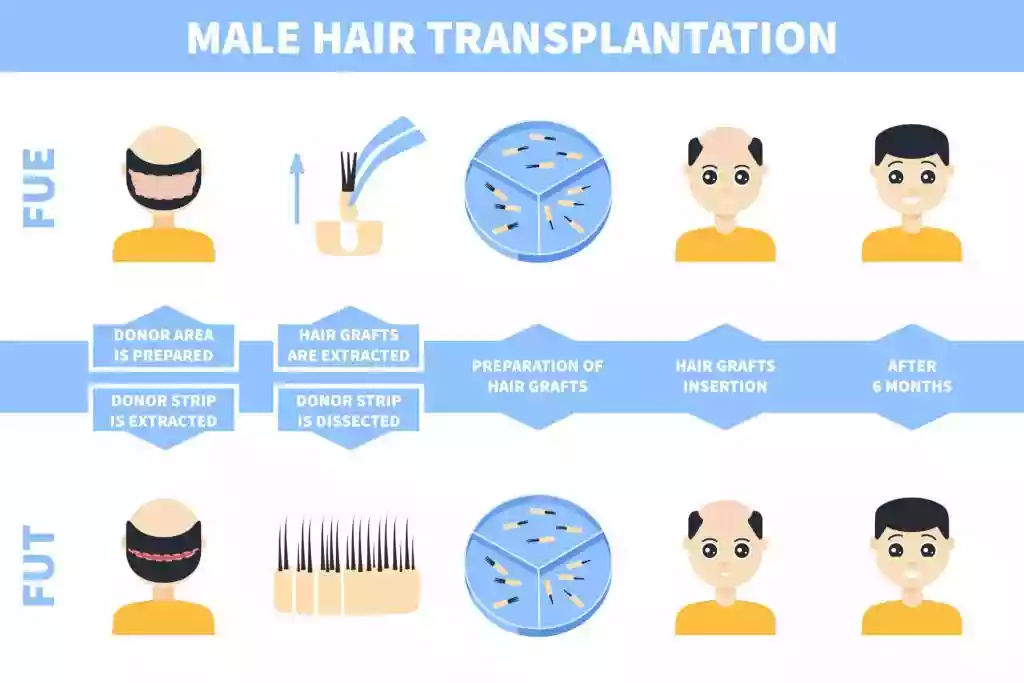
Marmaris clinics offer various hair transplant techniques, including Follicular Unit Transplantation (FUT) and Follicular Unit Extraction (FUE). Based on the patient’s preferences, scalp characteristics, and desired outcomes, the surgical team selects the most suitable approach. This personalized approach ensures optimal results while minimizing discomfort and downtime. Hair Transplant Marmaris Turkey
State-of-the-Art Surgical Procedures:
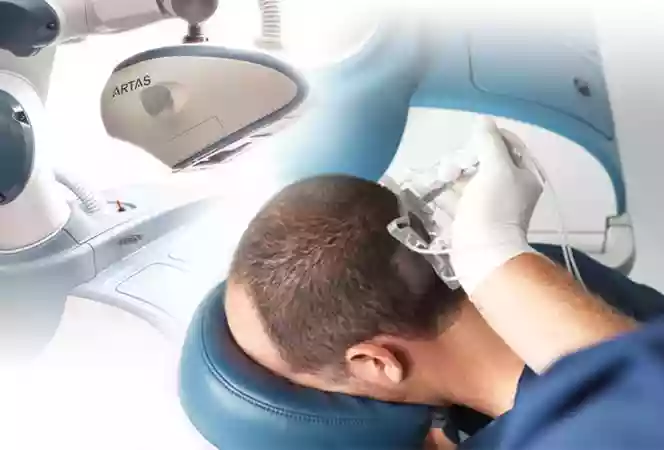
On the day of the procedure, patients undergo hair transplant surgery in modern, well-equipped facilities. Utilizing advanced techniques and instrumentation, skilled surgeons meticulously harvest healthy hair follicles from the donor area and transplant them into the recipient site with precision. Marmaris clinics prioritize patient comfort and safety throughout the procedure, employing local anesthesia and ensuring a relaxing environment. Hair Transplant Marmaris Turkey
Artistry and Attention to Detail:
Hair transplant surgery is as much an art as it is a science. Surgeons in Marmaris combine technical expertise with an artistic eye to create natural-looking hairlines and ensure seamless integration with existing hair. Each graft’s angle, density, and placement are carefully calculated to achieve aesthetically pleasing results that complement the patient’s facial features and desired hairstyle.
Postoperative Care and Follow-Up:
Following the procedure, patients receive detailed postoperative instructions and support from the medical team. Marmaris clinics provide personalized aftercare plans, including medications, scalp care products, and follow-up appointments to monitor progress and address any concerns. Patients can rest assured knowing that dedicated professionals are available to guide them through every step of the recovery process. Hair Transplant Marmaris Turkey
Transformation and Confidence Boost:
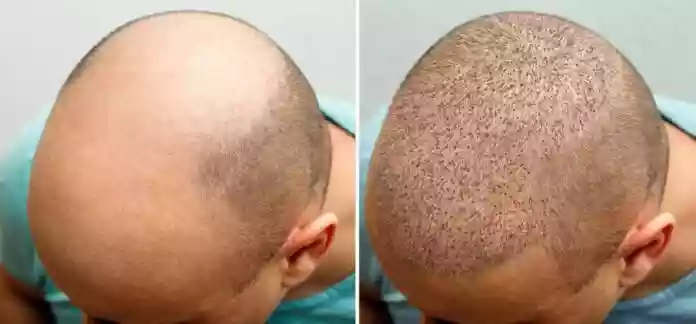
As the transplanted hair gradually grows and matures, patients experience a remarkable transformation in their appearance and self-confidence. Whether they opt for a denser hairline, fuller crown, or overall rejuvenation, the results of hair transplant surgery in Marmaris exceed expectations, empowering individuals to embrace life with renewed confidence and vitality. Hair Transplant Marmaris Turkey
Hair Transplant Marmaris Turkey
Hair transplant surgery in Marmaris, Turkey, offers a sophisticated blend of medical expertise, technological innovation, and personalized care. By tailoring advanced surgical procedures to individual needs, Marmaris clinics deliver exceptional results that restore hair and confidence effectively. For those seeking a comprehensive solution to hair loss, Marmaris stands as a premier destination renowned for excellence in hair transplant surgery.
Hair Transplant Marmaris Turkey
Achieving a Natural Hairline with FUE Hair Transplantation: Embracing Individuality
Hair transplantation offers a promising solution for individuals dealing with hair loss. One of the traditional methods, Follicular Unit Extraction (FUE), provides patients with a natural and aesthetic hairline, highlighting their individual beauty. In this article, we explore the significance of creating a natural hairline with FUE hair transplantation and embracing individuality. Hair Transplant Marmaris Turkey
Understanding the Importance of a Natural Hairline:
A natural hairline is essential for a harmonious and balanced facial appearance. It frames the face, enhances symmetry, and contributes to overall attractiveness. Unlike artificial or poorly executed hairlines, a natural hairline achieved through FUE transplantation blends seamlessly with existing hair, creating a look that is indistinguishable from natural growth.
The FUE Technique:
FUE hair transplantation involves the extraction of individual hair follicles from the donor area, typically located at the back or sides of the scalp. These follicles are meticulously harvested using specialized tools, leaving minimal scarring and preserving the natural appearance of the donor area. The extracted follicles are then transplanted into the recipient site, following the natural angle and direction of hair growth to ensure a seamless integration. Hair Transplant Marmaris Turkey
Customization and Personalization:
One of the key advantages of FUE hair transplantation is its ability to customize the procedure according to each patient’s unique needs and aesthetic preferences. Surgeons meticulously design the hairline, taking into account factors such as facial structure, hair texture, and density to create a personalized result that complements the individual’s features.
Embracing Individuality:
Embracing individuality is at the core of FUE hair transplantation. Rather than imposing a standardized template, FUE allows patients to preserve their unique characteristics and identity. Whether aiming for a subtle enhancement or a dramatic transformation, FUE enables individuals to reclaim their confidence and feel comfortable in their own skin. Hair Transplant Marmaris Turkey
Natural Results and Long-Term Satisfaction:
The naturalness of FUE-transplanted hair ensures that the results age gracefully and withstand the test of time. As the transplanted hair grows and matures, it seamlessly integrates with existing hair, creating a cohesive and natural appearance. Patients experience long-term satisfaction, enjoying the benefits of a restored hairline that looks and feels completely their own. Hair Transplant Marmaris Turkey
Hair Transplant Marmaris Turkey In conclusion, achieving a natural hairline with FUE hair transplantation is not just about restoring hair; it’s about celebrating individuality and enhancing self-confidence. By embracing the unique characteristics of each patient and meticulously customizing the procedure, FUE transplantation offers natural results that stand the test of time, allowing individuals to look and feel their best. Hair Transplant Marmaris Turkey
Crafting a Natural Hairline: A Fusion of Art and Science
Hair Transplant Marmaris Turkey Crafting a natural hairline is a delicate balance of artistic finesse and scientific precision. It involves more than just restoring hair; it’s about recreating the subtle nuances and contours that make each individual unique. In this article, we delve into the intricate fusion of art and science that goes into crafting a natural hairline through hair transplantation.
Understanding the Anatomy of a Natural Hairline:
A natural hairline is not a uniform line but rather a dynamic transition zone where hair density gradually decreases towards the forehead. It is characterized by irregularities, asymmetry, and variation in hair direction, reflecting the complexities of natural growth patterns. Understanding this anatomy is crucial for achieving a hairline that looks authentic and aesthetically pleasing. Hair Transplant Marmaris Turkey
Artistry in Hairline Design:
Crafting a natural hairline begins with meticulous design and planning. Surgeons leverage their artistic skills to create a hairline that complements the patient’s facial features, age, gender, and ethnic background. Every aspect, from the shape of the hairline to the angle and distribution of hair follicles, is carefully considered to achieve a harmonious and balanced result. Hair Transplant Marmaris Turkey
Precision in Surgical Technique:
Once the hairline design is finalized, the surgical process begins. Advanced techniques such as Follicular Unit Extraction (FUE) or Follicular Unit Transplantation (FUT) are employed to harvest donor follicles from the back or sides of the scalp. These follicles are then transplanted into the recipient area with meticulous precision, ensuring the correct angle, depth, and spacing for natural-looking results. Hair Transplant Marmaris Turkey
Simulation and Customization:
In some cases, surgeons utilize computer-assisted simulations to preview and refine the proposed hairline before surgery. This allows for greater customization and enables patients to provide input on their desired outcome. By involving patients in the decision-making process, surgeons can tailor the procedure to meet individual preferences and expectations. Hair Transplant Marmaris Turkey
Postoperative Care and Follow-Up:
Following surgery, patients receive comprehensive postoperative care to support healing and promote optimal growth. This includes instructions for scalp care, medications to prevent infection, and follow-up appointments to monitor progress. The surgical team remains accessible to address any concerns and ensure a smooth recovery process.
The Art of Naturalness:
Ultimately, the success of a natural hairline lies in its ability to blend seamlessly with the rest of the hair and facial features. Surgeons strive to achieve a result that is indistinguishable from natural hair growth, restoring not just hair but also confidence and self-esteem. Through a fusion of art and science, patients can reclaim a youthful and authentic appearance, embracing their individuality with pride. Hair Transplant Marmaris Turkey
Crafting a natural hairline is a multifaceted endeavor that requires both artistic vision and technical expertise. By marrying the principles of art and science, surgeons can achieve results that transcend mere restoration, creating hairlines that reflect the unique beauty of each individual. As advancements in technology and technique continue to evolve, the future of hair transplantation holds even greater promise for achieving naturalness and perfection. Hair Transplant Marmaris Turkey
Embarking on the Journey of Sapphire Hair Transplantation: A Three-Stage Process
Hair Transplant Marmaris Turkey
Embarking on the journey of sapphire hair transplantation marks a significant step towards reclaiming confidence and rejuvenating one’s appearance. This innovative procedure, known for its precision and effectiveness, unfolds through a meticulously planned three-stage process. In this article, we explore each stage of the journey, highlighting the transformative potential of sapphire hair transplantation. Hair Transplant Marmaris Turkey
Stage 1: Initial Consultation and Assessment:
The journey begins with an initial consultation with a qualified hair transplant specialist. During this comprehensive assessment, the patient’s medical history, extent of hair loss, and aesthetic goals are thoroughly evaluated. Advanced diagnostic tools may be employed to assess scalp condition and donor hair availability. This stage serves as the foundation for developing a personalized treatment plan tailored to the patient’s unique needs and aspirations. Hair Transplant Marmaris Turkey
Stage 2: Surgical Procedure with Sapphire FUE Technique:
The second stage of the journey involves the actual surgical procedure using the Sapphire FUE (Follicular Unit Extraction) technique. This cutting-edge approach utilizes sapphire blades, known for their unparalleled sharpness and precision, to extract individual hair follicles from the donor area with minimal trauma to surrounding tissues. The use of sapphire blades enhances the accuracy and efficiency of the extraction process, resulting in higher graft survival rates and natural-looking outcomes. The extracted follicles are then meticulously transplanted into the recipient area, following the natural hairline and direction of growth to ensure seamless integration.
Hair Transplant Marmaris Turkey
Embarking on the journey of sapphire hair transplantation marks a significant step towards reclaiming confidence and rejuvenating one’s appearance. This innovative procedure, known for its precision and effectiveness, unfolds through a meticulously planned three-stage process. In this article, we explore each stage of the journey, highlighting the transformative potential of sapphire hair transplantation. Hair Transplant Marmaris Turkey
Stage 3: Postoperative Care and Recovery:
The final stage of the journey focuses on postoperative care and recovery. Following the procedure, patients receive detailed instructions for caring for the transplanted area and managing any discomfort or swelling. Regular follow-up appointments are scheduled to monitor progress and address any concerns. With proper care and adherence to postoperative guidelines, patients can expect to see gradual growth and maturation of transplanted hair over the coming months. As the new hair follicles take root and flourish, patients experience a renewed sense of confidence and satisfaction with their appearance.
Embarking on the journey of sapphire hair transplantation is a transformative experience that offers hope and renewal to individuals struggling with hair loss. Through a carefully orchestrated three-stage process, patients can achieve natural-looking results and regain a youthful, vibrant appearance. With the expertise of skilled hair transplant specialists and the precision of sapphire technology, this journey represents not only a physical transformation but also a journey towards enhanced self-esteem and well-being. Hair Transplant Marmaris Turkey
Extraction Phase in Sapphire Hair Transplantation: Precision and Minimally Invasive Technique
The extraction phase is a pivotal step in sapphire hair transplantation, heralding the beginning of the journey towards natural-looking hair restoration. This phase, characterized by precision and a minimally invasive approach, sets the stage for achieving optimal graft survival and aesthetic outcomes. In this article, we delve into the intricacies of the extraction phase, highlighting its significance in the overall success of the procedure. Hair Transplant Marmaris Turkey
Utilizing Sapphire Blades for Extraction:
Sapphire hair transplantation distinguishes itself by employing specialized sapphire blades during the extraction phase. These blades, renowned for their exceptional sharpness and smoothness, enable surgeons to delicately harvest individual hair follicles from the donor area with unparalleled precision. The ultrafine tips of sapphire blades minimize trauma to surrounding tissues, reducing the risk of scarring and promoting faster healing. Hair Transplant Marmaris Turkey
Minimizing Trauma and Maximizing Graft Survival:
The primary goal of the extraction phase is to harvest healthy hair follicles while minimizing trauma to the scalp. By using sapphire blades, surgeons can create micro-incisions with remarkable precision, ensuring minimal disruption to the surrounding blood supply and tissue structures. This meticulous approach maximizes the viability of extracted follicles and enhances graft survival rates, ultimately contributing to the naturalness and density of the transplanted hair. Hair Transplant Marmaris Turkey
Customizing Extraction Parameters:
Each patient’s scalp characteristics and hair anatomy are unique, necessitating a customized approach to the extraction phase. Surgeons carefully adjust parameters such as the depth, angle, and spacing of extraction sites to accommodate variations in follicle density, orientation, and distribution. By tailoring extraction parameters to individual needs, surgeons can achieve a harmonious and balanced result that complements the patient’s facial features and aesthetic preferences. Hair Transplant Marmaris Turkey
Ensuring Comfort and Safety:
Patient comfort and safety are paramount during the extraction phase. Local anesthesia is administered to numb the donor area, ensuring a pain-free experience for the patient. The use of sapphire blades minimizes discomfort and reduces postoperative complications, allowing for a smoother recovery process. Surgeons work diligently to maintain a sterile surgical environment and adhere to stringent safety protocols throughout the procedure. Hair Transplant Marmaris Turkey
The extraction phase in sapphire hair transplantation represents a sophisticated blend of precision, artistry, and patient-centered care. By harnessing the advanced capabilities of sapphire blades, surgeons can harvest healthy hair follicles with unmatched accuracy and gentleness. This meticulous approach not only maximizes graft survival and naturalness but also ensures a comfortable and safe experience for the patient. As the cornerstone of the transplantation process, the extraction phase paves the way for transformative results and renewed confidence in individuals seeking hair restoration. Hair Transplant Marmaris Turkey
The number of grafts that can be taken from the donor area during the extraction process varies depending on a few factors.
Absolutely, the number of grafts that can be safely extracted from the donor area during the hair transplantation process can vary based on several factors. Here are some key considerations: Hair Transplant Marmaris Turkey
- Donor Area Characteristics: The density and quality of hair in the donor area play a significant role. Patients with a higher density of healthy hair follicles in the donor area can typically yield more grafts compared to those with lower density or compromised hair quality. Hair Transplant Marmaris Turkey
- Scalp Laxity: Scalp laxity refers to the flexibility and elasticity of the scalp tissue. Individuals with good scalp laxity often have more donor hair available for extraction as the tissue can be stretched to accommodate harvesting. Conversely, patients with limited scalp laxity may have fewer grafts that can be safely extracted. Hair Transplant Marmaris Turkey
- Donor Area Size: The size of the donor area also influences the number of grafts that can be harvested. Larger donor areas can accommodate a greater number of grafts, while smaller donor areas may limit the available supply. Hair Transplant Marmaris Turkey
- Hair Transplant Technique: The hair transplant technique used, whether it’s FUT (Follicular Unit Transplantation) or FUE (Follicular Unit Extraction), can impact the number of grafts that can be harvested. FUT typically allows for the extraction of a larger number of grafts in a single session compared to FUE.
- Patient Goals and Expectations: The patient’s desired outcome and expectations for hair density and coverage also influence the number of grafts needed. Surgeons work closely with patients to understand their goals and develop a treatment plan that aligns with their expectations. Hair Transplant Marmaris Turkey
- Overall Health and Scalp Condition: The patient’s overall health and the condition of their scalp are important considerations for determining the suitability for hair transplantation and the number of grafts that can be safely extracted. Factors such as scarring, previous surgeries, or underlying medical conditions may affect the availability of donor hair. Hair Transplant Marmaris Turkey
- Surgical Expertise and Experience: The skill and experience of the surgical team performing the extraction process also play a crucial role. Experienced surgeons can assess the donor area accurately and harvest grafts efficiently while minimizing damage to surrounding tissues. Hair Transplant Marmaris Turkey
Ultimately, the number of grafts that can be extracted during the extraction process is determined on a case-by-case basis, taking into account these various factors along with the patient’s individual needs and circumstances. This personalized approach ensures optimal results and patient satisfaction.
Width of the Donor Area in FUE Hair Transplantation
The width of the donor area in FUE (Follicular Unit Extraction) hair transplantation can vary depending on several factors, including the patient’s scalp characteristics, hair density, and surgical technique. Here are some key considerations regarding the width of the donor area in FUE hair transplantation: Hair Transplant Marmaris Turkey
- Patient’s Scalp Characteristics: The width of the donor area is influenced by the patient’s scalp laxity, which refers to the elasticity and flexibility of the scalp tissue. Individuals with good scalp laxity typically have a wider donor area, allowing for more extensive harvesting of hair follicles. Conversely, patients with limited scalp laxity may have a narrower donor area, restricting the number of grafts that can be safely extracted.
- Hair Density and Distribution: The density and distribution of hair in the donor area also affect its width. Patients with higher hair density in the donor region may have a wider strip available for extraction, while those with lower density may have a narrower donor area.
- Surgical Technique: The width of the donor area can vary depending on the specific FUE technique used. Traditional FUE involves extracting individual follicular units from scattered locations across the donor area, allowing for a wider harvesting zone. However, advanced techniques such as micro FUE or manual punch FUE may require narrower extraction areas due to their precision and targeted approach.
- Safety and Preservation of Donor Area: Surgeons aim to minimize the width of the donor area while ensuring the safety and preservation of surrounding hair follicles. Careful planning and precise extraction techniques help prevent over-harvesting and minimize the risk of visible scarring or thinning in the donor region.
- Patient’s Goals and Expectations: The width of the donor area is also influenced by the patient’s goals and expectations for hair restoration. Surgeons work closely with patients to determine the appropriate width of the donor zone based on the desired hair density, coverage, and aesthetic outcome. Hair Transplant Marmaris Turkey
Overall, the width of the donor area in FUE hair transplantation is carefully assessed and tailored to each patient’s individual characteristics and treatment goals. By optimizing the extraction process and preserving the donor area, surgeons can achieve natural-looking results while minimizing the risk of donor site complications.
Density of Donor Area in FUE Hair Transplantation
The density of the donor area in FUE (Follicular Unit Extraction) hair transplantation is an important factor that influences the success and outcomes of the procedure. Here’s how the density of the donor area impacts FUE hair transplantation:
- Availability of Grafts: The donor area’s density determines the number of viable hair follicles available for extraction. Higher donor density typically means a larger pool of grafts can be harvested, allowing for greater coverage and density in the recipient area.
- Coverage and Aesthetic Result: The density of the donor area directly correlates with the coverage and density that can be achieved in the recipient area. Patients with higher donor density can expect fuller and thicker hair restoration results compared to those with lower donor density. Hair Transplant Marmaris Turkey
- Scalp Laxity: Donor area density often correlates with scalp laxity, which refers to the flexibility and elasticity of the scalp tissue. Individuals with higher donor density may also have better scalp laxity, allowing for easier extraction and a wider range of motion during the FUE procedure.
- Donor Area Preservation: Maintaining an adequate donor area density is crucial for preserving the overall aesthetic appearance of the scalp. Over-harvesting from areas with low donor density can lead to visible thinning or patchiness, compromising the natural look of the hair transplant results.
- Suitability for Mega-Sessions: Patients with higher donor density may be suitable candidates for mega-sessions, which involve transplanting a large number of grafts in a single session. Mega-sessions can provide significant hair coverage and density in fewer sessions, making them a preferred option for some patients.
- Recipient Area Matching: Surgeons consider the density of the donor area when designing the recipient area’s hairline and overall pattern. Matching the density of transplanted hair with the natural density of the surrounding hair is essential for achieving a seamless and natural-looking result.
Overall, the density of the donor area is a critical factor in FUE hair transplantation, influencing both the quantity and quality of grafts that can be harvested and transplanted. Surgeons carefully assess the donor area density during the preoperative evaluation to develop a personalized treatment plan that optimizes hair transplant outcomes while preserving the donor area’s integrity. Hair Transplant Marmaris Turkey
The ratio of single/multiple hairs in hair transplantation
In hair transplantation, the ratio of single/multiple hairs refers to the distribution of grafts harvested from the donor area based on the number of hairs contained within each graft. Here’s how this ratio typically works: Hair Transplant Marmaris Turkey
- Single-Hair Grafts (Follicular Units): Single-hair grafts, also known as follicular units containing a single hair follicle, are often used to recreate a natural-looking hairline. These grafts are strategically placed along the frontal hairline and temple areas to mimic the fine hairs found in these regions. Single-hair grafts are also useful for filling in small gaps and creating a soft, feathered transition between the transplanted and existing hair.
- Multiple-Hair Grafts (Follicular Unit Groups): Multiple-hair grafts contain two or more hair follicles within a single unit. These grafts are typically used to add density and volume to the mid-scalp and crown areas, where thicker hair is more common. By transplanting multiple-hair grafts in these regions, surgeons can achieve greater coverage and fullness, improving the overall aesthetic result of the hair transplant.
The ratio of single/multiple hairs in hair transplantation depends on several factors, including:
- Patient’s Hair Characteristics: The natural distribution of single and multiple hair follicles in the donor area varies from person to person. Some individuals may have a higher proportion of single-hair follicular units, while others may have a greater abundance of multiple-hair follicular units.
- Recipient Area Needs: The distribution of single and multiple-hair grafts is tailored to meet the specific needs of the recipient area. Surgeons consider factors such as hairline design, existing hair density, and desired outcome when determining the ideal ratio of graft types for each patient. Hair Transplant Marmaris Turkey
- Surgical Technique and Expertise: The surgeon’s skill and expertise play a crucial role in harvesting and transplanting grafts of varying sizes. Experienced surgeons have the knowledge and precision to extract single and multiple-hair follicular units efficiently while minimizing damage to surrounding tissues.
- Aesthetic Considerations: Achieving a natural-looking result requires careful consideration of the balance between single and multiple-hair grafts. Surgeons strive to create a harmonious distribution that blends seamlessly with the patient’s existing hair and facial features.
Overall, the ratio of single/multiple hairs in hair transplantation is carefully determined based on the individual patient’s characteristics and aesthetic goals, with the aim of achieving a balanced and natural-looking outcome.
Ratio of Thick and Thin hair in FUE Hair Transplantation
In FUE (Follicular Unit Extraction) hair transplantation, the ratio of thick and thin hair refers to the distribution of hair follicles based on their diameter or thickness. Here’s how this ratio typically works:
- Thick Hair Follicles: Thick hair follicles have a larger diameter and typically provide more coverage and volume. These follicles are often preferred for creating density, particularly in areas where thicker hair is naturally found, such as the mid-scalp and crown. Thick hair follicles can help achieve a fuller and more robust appearance, enhancing the overall aesthetic result of the hair transplant. Hair Transplant Marmaris Turkey
- Thin Hair Follicles: Thin hair follicles have a smaller diameter and may be finer in texture. While thin hair follicles may not provide as much coverage or volume as thick hair follicles, they are valuable for creating a natural-looking hairline and softening the transition between transplanted and existing hair. Thin hair follicles are often used along the frontal hairline and temple areas to mimic the fine hairs found in these regions.
The ratio of thick and thin hair follicles in FUE hair transplantation depends on several factors, including:
- Patient’s Natural Hair Characteristics: The distribution of thick and thin hair follicles in the donor area varies from person to person. Some individuals may have a higher proportion of thick hair follicles, while others may have a greater abundance of thin hair follicles.
- Recipient Area Needs: The distribution of thick and thin hair follicles is tailored to meet the specific needs of the recipient area. Surgeons consider factors such as hairline design, existing hair density, and desired outcome when determining the ideal ratio of thick and thin hair follicles for each patient.
- Surgical Technique and Expertise: Experienced surgeons have the knowledge and precision to extract and transplant thick and thin hair follicles efficiently while minimizing damage to surrounding tissues. They may use specialized tools and techniques to select and harvest follicles of varying thickness based on the recipient area’s requirements.
- Aesthetic Considerations: Achieving a natural-looking result requires careful consideration of the balance between thick and thin hair follicles. Surgeons strive to create a harmonious distribution that blends seamlessly with the patient’s existing hair and facial features, enhancing overall aesthetics. Hair Transplant Marmaris Turkey
Overall, the ratio of thick and thin hair follicles in FUE hair transplantation is carefully determined based on the individual patient’s characteristics and aesthetic goals, with the aim of achieving a balanced and natural-looking outcome.
Incision of the Canal in FUE Hair Transplantation
In FUE (Follicular Unit Extraction) hair transplantation, the incision of the canal refers to the creation of tiny recipient sites in the bald or thinning areas of the scalp where the harvested hair follicles will be transplanted. Here’s an overview of the incision of the canal process in FUE hair transplantation:
- Preoperative Planning: Before the surgery begins, the surgeon carefully designs the recipient area’s hairline and determines the distribution and density of the grafts to achieve the desired aesthetic outcome. This planning phase ensures that the incisions are made in a manner that aligns with the patient’s goals and natural hair growth patterns.
- Recipient Site Creation: Using specialized instruments such as needles or blades, the surgeon creates small incisions or channels in the recipient area. These incisions are made with precise depth, angle, and orientation to accommodate the harvested follicular units and promote their proper growth.
- Density and Distribution: The density and distribution of the recipient sites are tailored to match the patient’s natural hairline and hair growth pattern. Single-hair follicular units are often placed along the frontal hairline to create a natural-looking transition, while multiple-hair follicular units are strategically distributed to add volume and coverage to the mid-scalp and crown areas. Hair Transplant Marmaris Turkey
- Minimizing Trauma: During the incision of the canal process, the surgeon takes care to minimize trauma to the scalp tissue and surrounding hair follicles. Precise control over the depth and size of the incisions helps prevent damage to the blood supply and ensures optimal conditions for graft survival and growth.
- Customization and Artistry: Creating the recipient sites is a highly customized and artistic process. Surgeons meticulously plan the placement of each incision to achieve a balanced and natural-looking result that complements the patient’s facial features and aesthetic preferences.
- Postoperative Care: After the incisions are made, the transplanted follicular units are carefully inserted into the recipient sites. Following surgery, patients receive instructions for postoperative care, including how to clean and care for the transplanted area to promote healing and minimize the risk of infection.
Overall, the incision of the canal in FUE hair transplantation is a critical step in the procedure, as it determines the placement and orientation of the transplanted hair follicles. By carefully planning and executing the incisions, surgeons can achieve natural-looking results that restore hair density and enhance the patient’s appearance.
TRANSPLANTATION
Transplantation refers to the process of transferring cells, tissues, or organs from one location to another within the same individual (autologous transplantation) or between individuals (allogeneic transplantation). It is a medical procedure commonly used to replace or repair damaged or diseased tissues or organs. Hair Transplant Marmaris Turkey
There are various types of transplantation procedures, each serving a specific purpose:
- Organ Transplantation: This involves the surgical removal of a healthy organ from a donor and its transplantation into a recipient whose organ has failed or is diseased. Common organ transplants include kidney, liver, heart, lung, pancreas, and intestine transplants.
- Tissue Transplantation: Tissue transplantation involves the transfer of tissues such as skin, bone, corneas, tendons, and heart valves from a donor to a recipient. These tissues can be used to repair or replace damaged or injured tissues in various parts of the body.
- Bone Marrow Transplantation: Also known as hematopoietic stem cell transplantation, bone marrow transplantation involves the infusion of healthy stem cells into a patient’s bloodstream to replace diseased or damaged bone marrow. It is commonly used to treat blood disorders, such as leukemia, lymphoma, and aplastic anemia.
- Stem Cell Transplantation: Stem cell transplantation involves the infusion of stem cells, which have the potential to differentiate into various cell types, into a patient’s body to repair damaged tissues or organs. It is used in the treatment of conditions such as spinal cord injury, heart disease, and certain types of cancer.
- Hair Transplantation: Hair transplantation involves the surgical relocation of hair follicles from a donor area, typically the back or sides of the scalp, to areas of baldness or thinning hair on the scalp. It is a common cosmetic procedure used to restore hair density and improve the appearance of balding or receding hairlines. Hair Transplant Marmaris Turkey
Transplantation procedures require careful matching between donors and recipients to minimize the risk of rejection and ensure the best possible outcomes. Immunosuppressive medications may be prescribed to prevent the recipient’s immune system from attacking the transplanted tissue or organ. Despite advances in transplantation techniques and immunosuppressive therapies, transplantation carries risks, and lifelong medical monitoring and care are often required post-transplantation.

