

Hair Transplant Kusadasi Hair loss is a common problem that affects people of all ages, genders and backgrounds. Hair loss experienced mostly by men; It can be due to many reasons such as hormonal disorders, genetics, malnutrition and environmental factors.
Although hair loss can be a harrowing experience, the good news is that effective solutions such as hair transplantation are available.
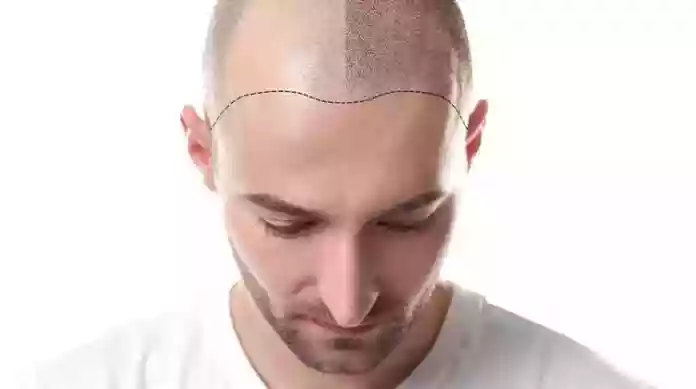

So, if you are experiencing hair loss and considering a hair transplant, Kuşadası, Turkey is the perfect destination for this procedure. Hair Transplant Kusadasi
Hair Transplant Kusadasi
What are the Types of Hair Transplantation?
There are two main types of hair transplantation techniques commonly used today: Hair Transplant Kusadasi
Follicular Unit Transplantation (FUT): Also known as the strip method, FUT involves removing a narrow strip of scalp tissue from the donor area (usually the back or sides of the scalp) where hair is more resistant to balding. The strip is then dissected under a microscope to harvest individual follicular units, which contain 1-4 hairs each. These follicular units are then transplanted into the recipient area (the bald or thinning areas of the scalp) where hair growth is desired. FUT typically leaves a linear scar at the donor site, which can be concealed by surrounding hair.
Follicular Unit Extraction (FUE): FUE is a minimally invasive hair transplant technique that involves harvesting individual follicular units directly from the donor area using a specialized instrument like a microneedle or punch device. Unlike FUT, FUE does not require the removal of a strip of scalp tissue, which means there is no linear scar at the donor site. Instead, small circular incisions are made around each follicular unit, leaving tiny puncture wounds that heal quickly and are less noticeable. The harvested follicular units are then transplanted into the recipient area in a similar manner as FUT. Hair Transplant Kusadasi
Both FUT and FUE can achieve natural-looking results when performed by skilled surgeons. The choice between the two techniques often depends on factors such as the patient’s hair loss pattern, the quality of the donor hair, personal preference, and the surgeon’s recommendation. Additionally, variations of these techniques may be used, such as Direct Hair Implantation (DHI), which is a modified form of FUE where the grafts are implanted directly into the recipient area without the need for creating recipient sites beforehand.
What is FUT Hair Transplantation
Follicular Unit Transplantation (FUT)
Follicular Unit Transplantation (FUT), also known as the strip method, is a surgical hair restoration technique used to treat hair loss or baldness. Here’s an overview of how FUT works: Hair Transplant Kusadasi
Donor Area Preparation: The procedure begins with the surgeon identifying and preparing the donor area, which is typically located at the back or sides of the scalp where hair is more resistant to balding. The donor area is trimmed short to facilitate the harvesting process. Hair Transplant Kusadasi
Strip Harvesting: In FUT, a narrow strip of scalp tissue is surgically removed from the donor area. The size of the strip depends on the number of grafts needed to achieve the desired hair density in the recipient area. The incision is carefully made to ensure minimal damage to surrounding follicles and to minimize scarring.
Graft Dissection: Once the strip of scalp tissue is removed, it is dissected under a microscope into individual follicular units. Each follicular unit contains 1-4 hairs and is meticulously prepared for transplantation.
Recipient Site Creation: While the grafts are being prepared, the surgeon creates tiny incisions or recipient sites in the recipient area, which is the bald or thinning area of the scalp where hair restoration is desired. The placement of these recipient sites is crucial for achieving a natural-looking hairline and overall hair density. Hair Transplant Kusadasi
Graft Placement: Once the recipient sites are prepared, the surgeon carefully places the dissected follicular units into these sites, taking into account factors such as hair angle, direction, and density to ensure a seamless blend with the existing hair. Hair Transplant Kusadasi
Closure of Donor Area: After all the grafts are transplanted, the donor area is sutured closed with sutures or staples. The closure technique aims to minimize scarring and promote optimal healing.
Recovery: Patients typically experience some swelling, discomfort, and mild soreness in both the donor and recipient areas immediately after the surgery. Pain medications and antibiotics may be prescribed to manage discomfort and prevent infection. It’s essential for patients to follow post-operative care instructions provided by their surgeon to ensure proper healing and optimal results. Hair Transplant Kusadasi
FUT can be an effective hair restoration option for individuals with significant hair loss or those who require a large number of grafts. However, it’s important to note that FUT leaves a linear scar at the donor site, which may be visible if the hair is worn short.
What is FUE Hair Transplantation?
Follicular Unit Extraction (FUE)
Follicular Unit Extraction (FUE) is a hair transplantation technique used to treat hair loss or baldness. In FUE, individual hair follicles are extracted from the donor area (usually the back or sides of the scalp where hair is more resistant to balding) using a specialized instrument. These follicles are then transplanted into the bald or thinning areas of the scalp. Hair Transplant Kusadasi
The key difference between FUE and other hair transplant methods, like Follicular Unit Transplantation (FUT), lies in the way the donor hair is harvested. FUT involves removing a strip of skin from the donor area and then dissecting it into individual follicular units, whereas FUE extracts individual follicular units directly from the scalp, leaving tiny puncture wounds that heal quickly and without a linear scar.
FUE is favored by many patients because it offers a less invasive and more discreet option for hair restoration, with minimal scarring and faster recovery times compared to FUT. However, it typically requires more time and skill from the surgeon, as each follicle must be individually harvested. Hair Transplant Kusadasi
How is Hair Transplant Operation Performed?
The hair transplant procedure typically involves several steps:
Consultation: Before the surgery, you’ll have a consultation with a hair transplant surgeon. During this consultation, the surgeon will assess your hair loss pattern, discuss your goals and expectations, and determine if you’re a suitable candidate for a hair transplant.
Planning: Based on the consultation, the surgeon will design a customized treatment plan tailored to your needs. This includes determining the number of grafts needed, the hairline design, and the placement of the grafts. Hair Transplant Kusadasi
Preparation: On the day of the surgery, the donor area (usually the back or sides of the scalp) is trimmed short to facilitate the harvesting of hair follicles. You’ll then be given local anesthesia to numb both the donor and recipient areas.
Harvesting: In Follicular Unit Extraction (FUE), individual hair follicles are extracted from the donor area using a specialized instrument like a microneedle or a punch device. Each follicular unit contains 1-4 hairs. In Follicular Unit Transplantation (FUT), a strip of skin containing hair follicles is surgically removed from the donor area and then dissected into individual grafts. Hair Transplant Kusadasi
Graft preparation: Once the follicular units are harvested, they are carefully examined and prepared for transplantation. This may involve trimming excess tissue and separating individual follicular units under a microscope.
Transplantation: Using tiny incisions or recipient sites created in the bald or thinning areas of the scalp, the surgeon meticulously places the grafts according to the predetermined design. The angle, direction, and density of the transplanted hairs are crucial for achieving natural-looking results. Hair Transplant Kusadasi
Post-operative care: After the surgery, you’ll receive instructions on how to care for your scalp and grafts during the initial healing phase. This may include medications to prevent infection and reduce swelling, as well as guidelines on washing and protecting the transplanted area.
Follow-up: You’ll have follow-up appointments with your surgeon to monitor the progress of your hair growth and address any concerns or questions you may have during the recovery process. Hair Transplant Kusadasi
Overall, a hair transplant operation is a meticulous and intricate procedure that requires both surgical skill and artistic vision to achieve natural-looking results.
Recovery Period
The recovery period after a hair transplant procedure can vary from person to person, but here’s a general overview:
Immediate post-operative period (first few days): You may experience some swelling, redness, and mild discomfort in both the donor and recipient areas immediately after the surgery. Your scalp may feel tender, and you may need to take pain medications as prescribed by your surgeon. It’s important to follow your surgeon’s instructions for caring for your scalp during this time, including avoiding strenuous activities and protecting the grafts from trauma.
First week: Swelling and redness typically begin to subside within the first week after surgery. You may still need to avoid activities that could disrupt the grafts, such as heavy exercise or rubbing the scalp. Your surgeon may recommend gentle washing of the scalp to keep it clean and help with healing. Hair Transplant Kusadasi
First month: By the end of the first month, most of the transplanted hairs will have shed, which is a normal part of the hair growth cycle. This shedding is temporary, and new hair growth should begin to emerge from the transplanted follicles within a few months. It’s important to be patient during this phase, as visible results will take time to develop.
Three to six months: During this period, you may start to notice early signs of hair growth in the transplanted areas. The hair growth process is gradual, and the new hairs may initially appear thin and fine before becoming thicker and more noticeable over time.
Six to twelve months: By the end of the first year, you should see significant improvement in the appearance of your hair as more of the transplanted follicles enter the growth phase and mature. However, final results may continue to improve beyond the first year as the hair continues to thicken and blend with the surrounding hair.
Throughout the recovery period, it’s essential to follow your surgeon’s post-operative instructions carefully to optimize the outcome of your hair transplant and minimize the risk of complications. Be sure to attend all follow-up appointments and communicate any concerns or questions you may have with your surgeon. Hair Transplant Kusadasi
Why Choose Turkey for Hair Transplantation?
Turkey has become a popular destination for hair transplantation for several reasons: Hair Transplant Kusadasi
Highly skilled surgeons: Turkey is home to many highly skilled and experienced hair transplant surgeons who are internationally recognized for their expertise in the field. Many clinics in Turkey employ surgeons who have received extensive training and have a wealth of experience in performing hair transplant procedures.
Advanced medical facilities: Turkey boasts modern and well-equipped medical facilities that adhere to international standards of quality and safety. Many hair transplant clinics in Turkey are equipped with state-of-the-art technology and facilities to ensure optimal results and patient comfort.
Cost-effective: Compared to many Western countries, the cost of hair transplant procedures in Turkey is often significantly lower. This makes Turkey an attractive option for individuals seeking high-quality hair restoration at a more affordable price. Hair Transplant Kusadasi
All-inclusive packages: Many hair transplant clinics in Turkey offer all-inclusive packages that include not only the surgical procedure but also accommodation, transportation, and other amenities. This makes the process more convenient and hassle-free for international patients traveling to Turkey for treatment. Hair Transplant Kusadasi
Tourism opportunities: Turkey is a beautiful country with a rich cultural heritage and a variety of tourist attractions. Patients traveling to Turkey for hair transplantation can combine their treatment with a vacation and explore the country’s vibrant cities, stunning landscapes, and historical sites.
High success rates: Turkish hair transplant clinics have earned a reputation for achieving consistently high success rates and delivering natural-looking results. Patients from around the world have been satisfied with the outcomes of their hair transplant procedures in Turkey.
Overall, the combination of skilled surgeons, advanced medical facilities, affordability, convenience, and tourism opportunities makes Turkey a top choice for individuals considering hair transplantation. However, it’s essential for patients to thoroughly research and choose a reputable clinic with a track record of safety and patient satisfaction. Hair Transplant Kusadasi
What Should I Pay Attention to Before Having a Hair Transplant?
Before undergoing a hair transplant procedure, it’s essential to consider several factors and pay attention to certain aspects to ensure a successful outcome. Here are some key points to consider: Hair Transplant Kusadasi
Consultation with a qualified surgeon: Schedule a consultation with a board-certified and experienced hair transplant surgeon. During the consultation, discuss your goals, concerns, medical history, and expectations with the surgeon. The surgeon will evaluate your hair loss pattern, scalp condition, and donor hair availability to determine if you’re a suitable candidate for a hair transplant and recommend the most appropriate technique for your needs.
Realistic expectations: Have realistic expectations about the outcomes of the procedure. While hair transplantation can significantly improve the appearance of your hair, it may not restore your hair to its original density or completely halt the progression of hair loss. A skilled surgeon will provide you with realistic expectations based on your individual circumstances. Hair Transplant Kusadasi
Understand the procedure: Take the time to understand the hair transplant procedure, including the techniques involved, the risks and benefits, the expected recovery period, and the post-operative care requirements. Ask your surgeon any questions you may have to ensure you have a clear understanding of what to expect before, during, and after the surgery.
Pre-operative preparations: Follow any pre-operative instructions provided by your surgeon, such as avoiding certain medications or supplements that may increase the risk of bleeding, quitting smoking, and avoiding alcohol consumption in the days leading up to the procedure. It’s also important to inform your surgeon about any existing medical conditions or allergies you may have. Hair Transplant Kusadasi
Research the clinic: Research the hair transplant clinic and surgeon thoroughly before making a decision. Look for reviews, testimonials, before-and-after photos, and accreditation to ensure the clinic meets high standards of safety, quality, and patient satisfaction.
Financial considerations: Understand the cost of the procedure and inquire about payment options and financing plans available at the clinic. Consider the overall value of the procedure in terms of the quality of care, expertise of the surgeon, and potential long-term results.
Plan for recovery: Plan ahead for the recovery period following the procedure. Arrange for time off work or other responsibilities to allow for adequate rest and recovery. Follow your surgeon’s post-operative instructions carefully to optimize healing and minimize the risk of complications. Hair Transplant Kusadasi
By paying attention to these factors and carefully considering your options, you can make informed decisions and set realistic expectations for your hair transplant journey.
Benefits of Hair Transplantation
Hair transplantation offers several benefits for individuals experiencing hair loss or baldness: Hair Transplant Kusadasi
Natural-looking results: Modern hair transplant techniques, such as Follicular Unit Transplantation (FUT) and Follicular Unit Extraction (FUE), allow for the transplantation of individual hair follicles, resulting in natural-looking hair growth that seamlessly blends with existing hair.
Permanent solution: Transplanted hair follicles are typically resistant to the effects of hair loss hormones, making hair transplantation a long-term or permanent solution for hair loss. Once the transplanted hairs grow, they continue to grow like normal hair and do not require any special maintenance. Hair Transplant Kusadasi
Improved self-esteem and confidence: Hair loss can have a significant impact on self-esteem and confidence. By restoring a fuller head of hair, hair transplantation can help improve self-image and confidence, allowing individuals to feel more comfortable and confident in social and professional settings.
Minimal downtime: While the recovery period may vary depending on the individual and the technique used, hair transplantation generally involves minimal downtime compared to other surgical procedures. Most patients can resume their normal activities within a few days to a week after the procedure.
No need for ongoing maintenance: Unlike other hair loss treatments such as medications or topical solutions, which require ongoing use to maintain results, hair transplantation provides a one-time solution. Once the transplanted hairs grow in, they do not require any special maintenance or ongoing treatments. Hair Transplant Kusadasi
Natural hairline restoration: Skilled hair transplant surgeons can design and create natural-looking hairlines that complement the individual’s facial features and age-appropriate hair density. This results in a more youthful and aesthetically pleasing appearance.
Versatility: Hair transplantation can be used to restore hair in various areas of the body, including the scalp, eyebrows, beard, and chest, making it a versatile solution for different types of hair loss.
Predictable outcomes: With advancements in hair transplant techniques and technology, the outcomes of hair transplantation have become more predictable and reliable, with high success rates and patient satisfaction.
Overall, hair transplantation offers a safe, effective, and permanent solution for individuals seeking to restore their hair and regain their confidence and self-esteem. Hair Transplant Kusadasi hair transplant turkey cost, best hair transplant in turkey, center hair transplant clinic kusadasi,

