

Aesthetic Dentistry, Dental Treatments Bodrum. Aesthetic dentistry focuses on improving the appearance of teeth, gums, and overall smile harmony while maintaining full dental function. It combines cosmetic precision with restorative techniques to create natural, healthy, and long-lasting results.
Modern aesthetic dentistry enhances:
- Tooth color
- Tooth shape and size
- Alignment
- Smile symmetry
- Gum balance


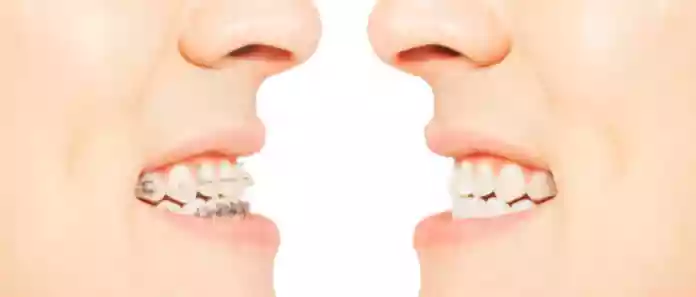


Aesthetic Dentistry, Dental Treatments Bodrum
What Is Aesthetic Dentistry?
Most Popular Aesthetic Dental Treatments
Teeth Whitening
Professional whitening removes stains caused by:
- Coffee
- Tea
- Smoking
- Aging
In-clinic whitening provides immediate visible results, often within a single session.
Dental Veneers
Veneers are thin porcelain or composite shells placed on the front surface of teeth.
They correct:
- Discoloration
- Minor gaps
- Slight misalignment
- Worn or chipped teeth
Veneers create a brighter, symmetrical smile with minimal tooth preparation.
Zirconium Crowns
Zirconium crowns are durable, metal-free restorations used to:
- Strengthen damaged teeth
- Improve shape and alignment
- Create uniform color
They are highly resistant and provide a natural translucency similar to real enamel.
Smile Design
Digital Smile Design allows patients to preview potential results before treatment begins.
It evaluates:
- Facial proportions
- Lip line
- Tooth visibility
- Gum symmetry
This personalized approach ensures harmony between facial features and dental aesthetics.
Restorative Dental Treatments
In addition to cosmetic procedures, comprehensive dental care includes:
Dental Implants
- Permanent solution for missing teeth
- Titanium root placed into the jawbone
- Supports crown or bridge
Implants restore both function and aesthetics.
Root Canal Treatment
Performed when the inner tooth pulp is infected. It preserves the natural tooth while eliminating pain.
Dental Fillings
Modern tooth-colored fillings restore cavities while maintaining natural appearance.
Why Choose Aesthetic Dentistry?
Natural-Looking Results
Advanced materials mimic natural tooth structure.
Improved Confidence
A balanced smile enhances facial attractiveness.
Functional Benefits
Proper alignment improves chewing and oral health.
Long-Lasting Solutions
High-quality materials ensure durability.
Treatment Process
Step 1 – Consultation
Clinical examination and digital imaging.
Step 2 – Treatment Planning
Customized plan based on goals and dental condition.
Step 3 – Procedure
Depending on the treatment, it may take one session or multiple visits.
Step 4 – Final Evaluation
Adjustments ensure comfort and aesthetic perfection.
Recovery and Aftercare
Most aesthetic dental treatments involve minimal downtime.
Patients are advised to:
- Maintain regular brushing and flossing
- Avoid excessive staining foods initially
- Attend regular dental check-ups
Proper oral hygiene preserves results for years.
Who Is a Suitable Candidate?
Aesthetic dental treatments are suitable for individuals who:
- Have stained or discolored teeth
- Want a more symmetrical smile
- Have chipped or worn teeth
- Desire overall smile improvement
A professional evaluation determines the most suitable approach.
Aesthetic dentistry and dental treatments in Bodrum combine advanced technology, high-quality materials, and personalized smile design to create natural, confident, and healthy smiles tailored to each individual.
Aesthetic Dentistry, Dental Treatments, Bodrum
Aesthetic Dentistry, Dental Treatments, Bodrum Total Care, Orthodontics, Laminated Teeth, Root Canal Treatment, Gum Diseases, Pediatric Dentistry, Smile Design, Porcelain Veneer, Implant Treatment, Teeth Whitening
Aesthetic Dentistry
What is Aesthetic Dentistry?
It is the field of dentistry that allows the individual to have an aesthetically impressive tooth and jaw structure as well as being healthy. In this treatment method, apart from different techniques, technology is frequently used. Aesthetic Dentistry, Dental Treatments, Bodrum
The aesthetic image aimed in this area is determined according to the physical and social characteristics of the individual. Therefore, they are special designs that vary from person to person. After evaluating the mouth, jaw and face structure of the person who wants to have aesthetic teeth, the natural and ideal image is designed in the computer environment. In this way, this design is presented to the patient’s taste and a successful treatment process is carried out.
Which Treatment Methods Are Used in Aesthetic Dentistry?
- porcelain veneer
- Dental Implants
- Teeth whitening
- Laminated Porcelain
- Zirconium Crowns
- hollywood smile
- Aesthetic Bonding
Porcelain veneer : It is a type of metal-supported dental veneer. Porcelain rests on metal substructure. The application, which is also called denture or veneer tooth among the people, is applied in cases where tooth loss or dental aesthetics disappears. The biggest advantage of the application is that even though it has a solid root, it allows the teeth that are rotten, worn or broken to be saved.
Dental Implants: They are used to permanently fill the tooth cavities without damaging the existing teeth. There is no support from the adjacent teeth, the root structure is created with artificial implants in the cavity as if it were a natural tooth, or the process is finished with only the number of teeth in the gap, either by bonding or screwing.
Teeth whitening: Drinks such as tea, coffee, cigarettes, some antibiotics consumed repeatedly and some systemic diseases can cause staining on the teeth. Whitening process; It aims to remove these stains formed in the enamel and dentin layer of the teeth. There are two types of whitening processes, at home and in the clinic. It is possible to remove the stains on the teeth with the method that your dentist deems appropriate.
Laminated Porcelain: It is a process that is applied by gluing thin porcelain tissues by abrading the teeth without the need for cutting. It is also known as leaf porcelain. It is a costly application. However, it is often preferred in dentistry, especially in anterior teeth.
Zirconium crown: With this method, you will have the closest appearance to your natural teeth. Since local anesthesia is applied to the area to be coated, the patient does not feel pain or pain. The teeth are cut in a small amount and their measurements are taken. Coatings are specially produced in a laboratory environment. Zirconium veneers prepared with special medical adhesive are placed.
Hollywood smile: With the application, it is aimed to correct the existing tooth structure of the person with porcelain coating, to eliminate the incompatibility between the gums and teeth, and to have a healthy and white smile. For Hollywood smile, applications such as teeth whitening, porcelain veneers and implants are used.
Aesthetic Bonding: With this method, small fractures and cracks are repaired; Minor inconsistencies can be corrected.
Porcelain Veneer
Porcelain veneers are fixed teeth made by reducing or shaving around a tooth. Porcelain tooth veneer application, which people apply to alleviate their aesthetic concerns especially due to their teeth and to get them a more beautiful smile, emerges as a treatment process consisting of porcelain leaves placed on the teeth, designed to provide instant smile transformation.
Porcelain veneer treatment types:
When it comes to coating according to the mouth and tooth structures of the patients, different treatment methods are preferred. Full porcelain, crown type porcelain, porcelain prostheses are some of the options that are in demand at this stage. Before the procedure or treatment, the patient’s wishes are always kept in the foreground and a planning is made accordingly.
Porcelain teeth, which are individually designed and put into production for each tooth of each patient, are obtained from high quality materials that can represent the most natural tooth appearance. Porcelain, which is the closest material to the natural appearance and color of the teeth, is one of the most preferred materials by dentists when it comes to a perfect smile design.
Who Can Have Porcelain Veneers?
- Mild or moderate crooked teeth
- Tooth deficiencies
- Decayed teeth that cannot be completed with a standard dental filling
- Tooth with a visible fracture
- aesthetic concerns
After the porcelain tooth coating process is applied, its life can be extended with personal oral care and routine dentist checks. Intraoral is a variable structure and the treatments applied will remain constant. It will likely need replacement after a certain time. However, if the coatings are well taken care of with proper and planned maintenance, their lifespan can be up to 10 to 15 years.
Implant Treatment
What is a Dental Implant?
Dental implants are artificial tooth roots, usually made of titanium or titanium compounds, to replace missing teeth in the mouth. Titanium is preferred as an implant material because it does not interact with body tissues and is a material resistant to forces. Implants can be placed in the cavities created by previously lost teeth or in the tooth socket immediately after extraction if there is no serious infection.
Why is a dental implant done?
Dental implants are surgically placed on the roots of missing teeth, that is, on the jawbone. Since the titanium in the implants fuses with the jawbone, it does not slip, cause problems or cause bone damage like fixed bridges or prostheses. At the same time, these implants do not rot.
Dental implants may generally be appropriate for you if:
- If you have at least 1 or more missing teeth,
- If you have a jawbone that has completed its growth,
- If your bones are sufficient to fix the implants or if you can make bone grafts,
- If you have healthy oral tissue,
- If you do not have diseases that may cause negative effects in terms of bone healing,
- If you cannot or do not want to wear dentures,
- If you want to improve your speaking,
- If you are ready to endure the process for several months.
How a Dental Implant Is Made, Which Processes It Include
Implant application is a very simple and painless application today. First, the area is anesthetized with local anesthesia, a slot is prepared in the bone where the implant will be placed, and the implant is placed. After the implant is placed, the screws that will remain on the implant during the healing period are placed and the recovery period is expected.
In order for dental implants to remain healthy against the pressures caused by chewing, it is necessary to fully fuse with the jawbone. This period varies according to the type of operation, region, age and health status of the patient. After the operation, a period of at least 5 weeks and a maximum of 3 months is required for the construction of permanent prostheses.
In case of bone deficiency, the waiting time may be longer for implants made to newly formed bone areas. Afterwards, the measurement is taken and the planned prosthesis is made.
What should I pay attention to during the recovery period after the implant is made?
After implant surgery, it is important to apply cold to the treated area at regular intervals in line with your doctor’s recommendation. This will prevent edema and swelling.
It is also important that you regularly use the drugs that will be given to you by your doctor and that low-dose laser applications applied to accelerate healing are also important during the recovery period. During this period, your oral care should be very good.
Poor oral hygiene is one of the leading causes of implant failures. You should also see your dentist at regular intervals during the recovery period.
Gum Diseases
Periodontal diseases are inflammatory diseases that affect the gums and other tissues that support the teeth. Even teeth that have no caries can be lost due to this disease. Periodontal diseases can affect one or more teeth; are the most common chronic diseases in the population.
Since it is usually painless, the symptoms are hardly noticed by the patient and in most cases, a late referral to the physician is made. Symptoms in case the infection only affects the gingiva; It is red, swollen, shiny, soft-consistent and easily bleeding gingiva. Bleeding is the most important symptom of gingival diseases. These diseases can be treated easily and successfully when diagnosed at an early stage.
What are the Symptoms of Gum Diseases (Periodontology)?
Although there are many symptoms of gum disease, the most easily noticed and most common symptom is bleeding gums. Gum bleeding while brushing teeth and eating hard foods is the most important precursor of gum diseases.
Even if there is no gingival bleeding, gingival diseases may exist and may not show any symptoms for a while. That’s why it’s important to have regular dental checkups.
Gum disease can have more than one symptom. Some of these symptoms are as follows;
- Bad and heavy mouth odor
- Separable gums that move away from the teeth
- swinging teeth
- recession in gums
- Spontaneous gingival bleeding during tooth brushing
- Inflammation of the gums
- Changes in the relationship between the upper and lower teeth during biting,
- It is the change in the fit of the existing prosthesis.
How to Treat Gum Diseases?
The first step of the treatment is to clean the dental plaque, which is the main cause of the disease, by the patient using a brush/dental-floss/interface brush, and to remove the deposits on the teeth with special tools by the dentist. This stage, called initial treatment, is the basis of periodontal procedures. It can be a stand-alone treatment method in simple gingival inflammations, or it is used in preparation for periodontal operation in advanced cases.
Surgical procedures in which auxiliary biomaterials (bone powder, membrane, etc.) are used, usually performed under local anesthesia, when new bone formation is targeted, in order to treat inflamed gingiva, enlarged gingiva, recessed gingiva, gaps between the teeth and gums due to the resorption of the jaw bones, and bone resorption. It is called “periodontal operation”.
Periodontal operations may only concern the gums or all tissues surrounding the teeth. If the disease only concerns the gums, the enlarged gums are cut and removed from the oral environment, a different operation is performed when it progresses to the deep tissues and bone resorption occurs. The gingiva is lifted, the inflamed tissues are cleaned, the bone is straightened or various biomaterials are applied to form new bone. Then the gingiva is placed and sutured to cover the bone and the tissue is left to heal.
Stitches are removed after 1 or 2 weeks. After the operation, controls are required at intervals of 3-6 months. With the treatment, the inflammation disappears, the progression of the disease stops, the patient creates an oral environment in which he can effectively clean himself, In the use of biomaterials, on the other hand, it is expected that the tissues that are destroyed as a result of the disease are restructured. As a result of all these, people keep their natural teeth in their mouths to function for many years.
Smile Design
What is Smile Design?
Smile design is the applications made to obtain a natural and aesthetically pleasing appearance of teeth and gums that have deteriorated aesthetically for any reason, taking into account both the face shapes and the needs of the patient.
How to Smile Design?
First of all, the problems in the teeth and gums are eliminated and the process is started. The caries on the teeth are cleaned and, if necessary, extraction is performed. It is of great importance to understand the patient’s aesthetic expectations correctly. Models are determined for planning by taking measurements from the mouth of the patient.
The models are shown in terms of suitability for the patient and there is no problem afterwards, and an idea is obtained. If no action will be taken, the level disorders that have occurred in the gums of the teeth should be eliminated. When necessary, the smile design process continues with implant procedures and surgical operations.
After each process is completed, teeth whitening is applied and the spaces and irregularities are filled with the help of composite fillings. When all procedures are completed, the final state of the smile design is determined by considering the lip shape for rehearsal purposes.
Treatments Applied in Smile Design
- There are various treatments to achieve an aesthetic smile with smile design. Each of these is made with care to obtain a more pleasant and aesthetic appearance in the person. Now, what are the treatments done during smile design? Let’s take a closer look.
- First of all, the whitening process is performed and the duration of this process may vary. However, in a short period of time such as 40 minutes on average, a significant tonal opening occurs in the teeth. In addition, if the person pays attention to both oral care and eating and drinking habits, the whiteness of the teeth can be permanent for up to 1 year.
- Another treatment is bonding the teeth on porcelain laminates. Because the use of lamina on the teeth helps to reveal both a white and aesthetic smile.
- Another type of treatment is zirconium. It would not be wrong to say that it is a highly preferred technique. Zirconium, which is a light-transmitting metal, has an important place in obtaining an aesthetic appearance in teeth. However, it is beneficial to have the zirconium application done by a specialist dentist.
- Another treatment method is orthodontic technique. In this technique, the procedure is performed with porcelain brackets and the perplexed tooth structure of the person is removed in this way.
- Implant treatment is also among the applications that contribute to smile design. With this treatment method, missing teeth are removed and thus an aesthetic appearance is obtained.
Pediatric Dentistry
It represents the process that covers the healthy development of both milk teeth and permanent teeth of all babies and children in the 0-14 age group, and the diagnosis and treatment of diseases that may occur. .
In this period, pedodontists perform all kinds of preventive and curative treatments and preventive applications according to the oral and dental health needs of babies, children and young people.
What does Pediatric Dentistry (Pedodontics) do?
In dentistry, the branch of pedodontics deals with the protection and treatment of milk and permanent teeth, starting from the birth of the child until the age of 12-13, when all of the milk teeth are changed.
- They ensure that children do not have a fear of the dentist (dental phobia) and turn dental treatment into an enjoyable game for children.
- It informs both the child and the family about oral and dental care in children.
- By determining the caries risk group of the child, they organize personal protective programs and ensure that the milk and permanent teeth are protected in a healthy way.
- It regulates the child’s eating habits for dental health.
- They check the regular progress of the child’s jaw and tooth development.
- Performs preventive orthodontic treatments.
- It applies fluoride varnish, fluoride gel and fissure sealant to prevent tooth decay.
- It aims to eliminate the problems caused by caries, trauma, hereditary and similar factors in these teeth.
- Treatment of caries in milk and permanent teeth, root canal treatment in advanced caries, tooth extraction applications are performed.
- Deciduous and permanent teeth are treated with stainless steel crowns and zirconium crowns.
- All filling applications, root canal treatment and amputation procedures are performed in milk teeth and young permanent teeth.
- Treatment application services including filling deep filling or continuation of root development are provided in young permanent teeth that have not completed their development.
- Placeholders and child prostheses applied to replace the extracted teeth are made.
- All related treatment procedures and follow-ups of traumatized teeth (broken, displaced or displaced as a result of falling impact) are performed.
- Treatments to Stop Bad Mouth Habits (Finger Sucking, Nail Biting, Lip Biting, etc.)
While all these preventive and therapeutic procedures are carried out; One of the most important issues is the treatment of patients without fear, anxiety and pain.
Teeth Whitening
What is Teeth Whitening?
It is an application that helps to lighten the discoloration on the tooth enamel, which occurs due to various reasons, by a few tones. Teeth color is unique to the individual, such as eye color and hair color. Teeth whitening is an aesthetic procedure that reverses the signs of aging on the teeth and removes the stains created by various external factors (coffee, wine, tea and cigarettes) over the years.
How Is Teeth Whitening Made?
Bleaching method in the clinic; It is a method that is done in about an hour and consists of several applications. First of all, the tooth surfaces to be whitened are cleaned. After the mouth is prepared for the operation and the tissues that may be damaged in the mouth are covered with a special insulating material, teeth whitening is performed with the help of a special gel and beam applied on the teeth. After several whitening gel applications, the process is completed.
At-home whitening method; In this longer procedure, a mold containing whitening gel is placed on the teeth and the patient is asked to wear it at night. Treatment is provided with molds worn for 7-8 hours a day for 1 and a half weeks. This method can also be used to assist the first bleaching method.
The most appropriate treatment method for you should be determined by your dentist.
Aesthetic Dentistry, Dental Treatments, Bodrum
Is Whitening System Applied at Home or Clinic Better?
The systems applied by the doctor in the clinic are alternatives that respond more quickly and effectively. This method is very useful for anyone who has limited time or wants to see the effect immediately. Many patients use in-clinic bleaching together with home bleaching.
Pre-use of home bleaching will prepare the tooth for bleaching in the clinic, resulting in better results. In addition, it can be used to make the whitening more effective after the application in the clinic or to make the obtained color permanent for a long time.
Home bleaching systems are important to maintain the obtained color and are recommended to be used several times a year. Clinical type whitening processes allow dentists to lighten teeth up to 6-8 tons in approximately one hour.
How Long Does the Whitening Effect Last?
The tonal difference obtained from the whitening process varies depending on the tooth structure of the person, and is between .4 tons and 10 tons. It remains stable for about 6 months to 2 years. Of course, this period also depends on the person himself. During and after whitening, substances that stain the teeth should be avoided for at least two weeks. It is possible to preserve the tone obtained for a longer period of time with the use of toothpaste with a whitening content recommended by your physician after whitening.
What are the Points to Consider After Whitening?
After bleaching is applied clinically or at home, 10% post-procedure whitening occurs. To benefit from this whitening, you need to stay away from foods that cause coloration for 2 weeks. These can be listed as tea, coffee, fruit juice, strawberry and cherry cakes, wine, mustard, ketchup, tomato paste, cocoa. In clinical type bleaching, smoking should not be used for 48 hours, and nothing should be eaten or drunk for 48 hours after bleaching.
Total Care
Why should I have Total Care?
Due to reasons such as chewing habits and inability to brush properly, plaque accumulation is high, especially at the interface of the teeth with the gum line. This plaque turns into dental calculus as a residue over time and discoloration begins. This type of tartar is the main cause of gum disease. The person cannot clean these stones and colorings himself.
As a result, stone accumulation accelerates with an increasing acceleration. Accompanying it is bad breath, loosening of the teeth, bleeding in the gums, and unpleasant brown discoloration in the mouth. In order to prevent these from being observed, it is recommended to go to the dentist at regular intervals and have total care.
Total Oral Care
Total care reveals a general oral and dental hygiene beyond tartar cleaning. After removal of tartar accumulations, all stains on your teeth are removed with pressurized water. After providing effective hygiene with tooth surface polishing (lacquer), dental floss, tongue surface cleaning, your total care is finished with fluoride application to strengthen your teeth.
How long does Total Care treatment take?
The procedures take between 30-45 minutes on average. In cases where the density of calculus is high and it is necessary to work under the gums, a second session is applied. After all treatments, a control session is held.
Orthodontics
What is orthodontics?
It is the science that deals with the diagnosis and treatment of jaw, tooth and facial disorders. While orthodontic treatment helps the teeth to be in the correct positions by helping the jaw development in young children, it also provides correction of the existing crowding and closing irregularities, as well as the jaw-face disorders in adults.
Conditions Requiring Orthodontic Treatment
- When the jaw disorder cannot be treated,
- In ca
- ses where oral care cannot be performed due to dental disorders,
- When the patient cannot chew,
- If there are problems such as jawbone crookedness,
- Desiring to have a more aesthetically beautiful smile,
- Orthodontic treatment methods are used to eliminate the problem if it is caused by speech disorder teeth.
- Aesthetic Dentistry, Dental Treatments, Bodrum
Orthodontic treatment is divided into two as fixed and removable orthodontic treatment according to the method of application:
Fixed Orthodontic Treatment:
Fixed orthodontic treatment, as the name suggests, is an orthodontic treatment using fixed appliances that the patient cannot remove. In fixed orthodontic treatment, a corrugated metal called bracket (porcelain brackets are also used today) are adhered to the teeth. A wire passes through this groove. This wire is replaced at intervals of 4-6 weeks.
Removable Orthodontic Treatment:
Removable orthodontic treatment is orthodontic treatment in which appliances that the patient can put on and take off. Removable orthodontic treatment is mostly applied in children between the ages of 6-12. In some cases, it may be necessary to apply both fixed and mobile orthodontic treatment methods.
What should be considered in oral and dental care during orthodontic treatment:
The measures listed below help prevent caries formation during treatment and prevent damage to the appliances used.
- After each meal, the teeth should be brushed as instructed by your orthodontist.
- Interdental spaces should be cleaned at least once a day using interdental brushes and dental floss.
- You should go to the dentist regularly to check the cavities and gums.
- During orthodontic treatment, appointments should be made without interruption.
- Appliances required for treatment should be worn regularly in the manner and time described.
- Sticky foods (such as sugar, gum, caramel) that may cause the appliances to deteriorate, break or come off should not be consumed.
- Hard foods (such as cookies, carrots, toast) should be avoided as much as possible, foods should be eaten in small bites and biting movements with the front teeth should be avoided. Fruits with seeds should be eaten by removing the seeds.
- The process of getting used to the appliance is about 7-10 days. Sometimes, there may be pain and sensitivity in the teeth, while injuries can also occur in the oral tissues. When such situations are encountered, you should act in accordance with the recommendations given by your orthodontist, and if it continues, your doctor should be contacted.
- Aesthetic Dentistry, Dental Treatments, Bodrum
Laminated Teeth
What is Laminate Tooth (Leaf Tooth)?
It is the process of sticking a thin layer of leaf porcelain structure to the tooth with minimal or, in some cases, no abrasion on the front surfaces of the teeth.
Why is it done?
Many people do not take care of their teeth regularly, and over time, their color begins to change. It is difficult to achieve the desired whiteness of the teeth after a certain period of time. If the desired color cannot be achieved in teeth whitening processes, Laminated tooth coating is applied to make the teeth appear white.
This method is applied to correct the appearance of worn teeth, to combine the disjoint situations between the front teeth, to make the unhealthy, damaged, broken and stained teeth look better. Darkening of the teeth may occur after root canal treatment or filling loss. Coating methods are used to remove these darkening and prevent the black image from appearing from the outside.
How is Laminated Teeth (Leaf Teeth) Applied?
Laminated veneers, which are designed as a result of a very sensitive clinical study by taking personalized tooth measurements, are made ready for use by sticking them on the front surfaces of the teeth. The most important feature of the laminated tooth veneer technique is to achieve the desired harmony and perfection without any abrasion on the teeth. Laminates, which have an appearance as thin and transparent as a leaf, become almost invisible by harmonizing with the natural appearance of the teeth they are attached to.
How Should Laminate Tooth Care Be Done?
In laminate teeth cleaning, first of all, our patients should brush not only their teeth but also their gums. With the help of dental floss, areas that cannot be reached with a toothbrush should be cleaned. In addition, the care of laminated teeth can be provided with mouthwash. In this way, it is possible to use laminated teeth for a longer period of time. Considering the question of whether the laminated tooth falls or breaks; When care is taken to care for laminated teeth, there is no risk. Aesthetic Dentistry, Dental Treatments, Bodrum
Root Canal Treatment
What is Root Canal Treatment?
The process of cleaning, disinfecting or filling the nerves in the canals of the tooth as a result of cracks, fractures, damage to the tooth, loss of function of the nerves in the tooth as a result of caries is called root canal treatment. Aesthetic Dentistry, Dental Treatments, Bodrum
How make is root treatment?
- With local anesthesia, the sensitivity of the tooth and surrounding tissues is destroyed.
- The length of the canal is determined by taking radiography (x-ray).
- The contents of the root canals (pulp tissue) are removed and cleaned and the root canals are shaped using various hand tools and rotary instruments.
- Root canals are disinfected, that is, free of bacteria, and the canals are filled with a material compatible with the surrounding tissues.
- Treatment may take between 1-3 sessions depending on the condition of the tooth.
- Especially in cases where the tooth is not alive and there is inflammation at the root tip, drugs can be placed in the root canals to destroy the bacteria. In order for this drug to be effective, it must remain in the channels for at least 5-7 days. During this time, the tooth is closed with a temporary filling material.
- In severe cases of inflammation, the dentist may recommend taking oral medication as well.
- After the treatment, mild pain and sensitivity complaints may be seen in the tooth, but this is temporary. In this case, the best solution is to not use the side with that tooth for a few days. After a short time, it will be seen that the sensitivity has disappeared.
- Aesthetic Dentistry, Dental Treatments, Bodrum
After Root Canal Treatment?
After the treatment, the crown of the tooth is permanently repaired. After the treatment, slight tingling, pain and sensitivity may be felt in the tooth, this is normal and temporary. The patient does not need to do any other care or application other than a normal oral care. Root canal treatment is not a procedure that affects the person’s daily life or poses a danger to oral health. Aesthetic Dentistry, Dental Treatments, Bodrum Aesthetic Dentistry, Dental Treatments, Bodrum

