Bodrum ENT SpecialistsEar, nose and throat doctors and hospitals in Bodrum, plus a guide to ENT conditions
Bodrum ENT Specialists: 6 ear, nose and throat doctors and 4 hospitals with ENT clinics on the peninsula, plus a guide to ear, nose and throat conditions.
In this guide, for anyone looking for an ear, nose and throat specialist in Bodrum, we have gathered on one page 6 ENT doctors working on the peninsula and 4 hospitals with ENT clinics. The list is in Turkish alphabetical order; no doctor or hospital is given priority.
After the list we cover common conditions such as hearing loss, ear infections, earwax, tinnitus, dizziness, sinusitis, nasal congestion, loss of smell, snoring and sleep apnoea; ear problems common on holiday; and which symptoms mean you should go to A&E without waiting.
- Private practices
- 2 ENT specialists · Konacık and centre
- ENT specialists in hospitals
- 4 doctors · 3 hospitals
- Hospitals with ENT clinics
- 4 hospitals · 1 state, 3 private
- In an emergency
- 112 · hospital emergency departments 24/7
- 👂 Ear
- 👃 Nose and sinuses
- 🗣️ Throat and voice
- 😴 Snoring and sleep apnoea
 1 / 4
Bodrum ear, nose and throat specialists (alphabetical)
The list includes ENT specialists with private practices in Bodrum, ENT doctors who see patients at private hospitals, and hospitals with ENT clinics. Within each group the order is Turkish alphabetical, ignoring titles. Address, phone, hours, ratings and review counts come from Google Maps listings; specialty and experience details come from the doctors’ and hospitals’ own websites.
Showing 10 entries
Bodrum ENT specialists: private practices
ENT specialists who see patients at their own practice.
- ENT practice★ 4.8 / 5 Google (74)
Op. Dr. Engin Paralı
Bodrum ENT Specialists · Private practicesOp. Dr. Engin Paralı trained in ENT at Uludağ University and, after working at hospitals in Bursa, spent many years at Bodrum State Hospital before retiring from there and opening a practice in Konacık. Alongside general ENT exams, the practice offers paediatric ear care, nasal radiofrequency, rhinoplasty and Botox. Reviews highlight recording the endoscopic nasal exam and showing it to the patient, free follow-up after ear treatment, and rhinoplasty results.
Address: Konacık, Oğuzhan Cad. No:30, Paşalı Doktorlar Business Centre Block D No:4Phone: 0533 255 96 33Hours: Daily 09:00–21:00 (Google)Open in Maps - ENT practice★ 4.9 / 5 Google (73)
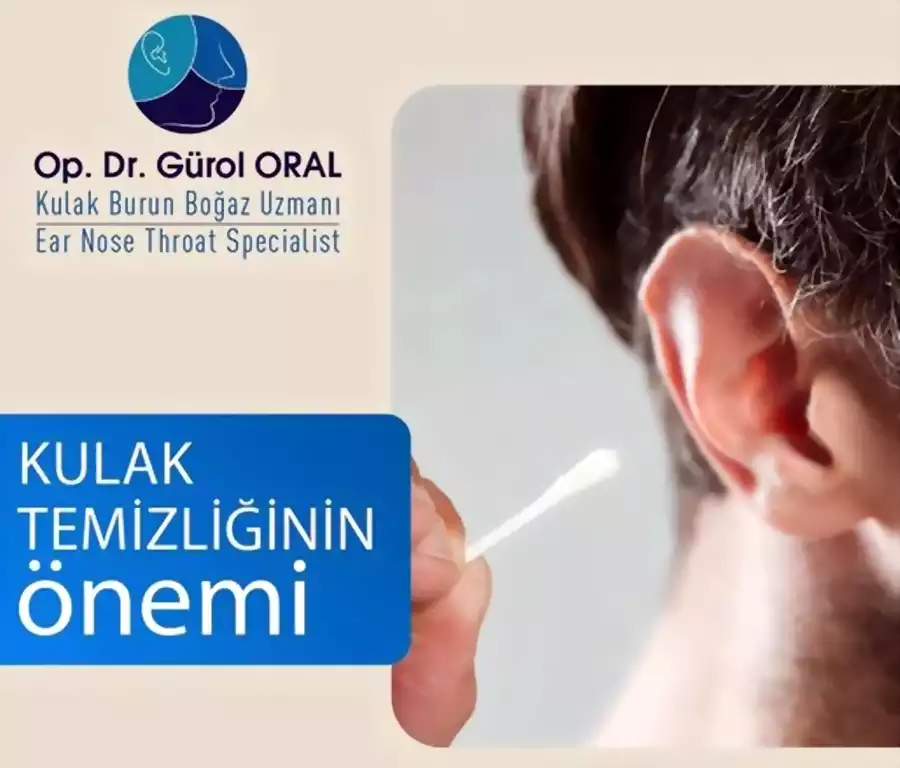
Op. Dr. Gürol Oral
Bodrum ENT Specialists · Private practicesAn ear, nose and throat specialist with a practice in Türkkuyusu, Bodrum centre. Services listed include ENT exams, hearing tests (audiometry), ear cleaning, vertigo assessment, diagnosis and treatment of snoring and sleep apnoea, as well as migraine and jaw Botox, mesotherapy and voice therapy. Reviews mention families on holiday getting same-day appointments, children’s ear infections treated quickly, respect for the patient’s wishes during ear cleaning and fair prices; the practice is within walking distance of the market.
Address: Türkkuyusu, Kıbrıs Şehitleri Cd. No:59/BPhone: 0505 269 65 57 · 0252 316 22 44Hours: Mon–Fri 08:00–19:00 · Sat 08:00–18:00 · Sun 09:00–17:00 (Google)Email: guroloral@gmail.comOpen in Maps
Bodrum ENT specialists: ENT specialists in hospitals
Doctors who see patients at the ENT clinics of private hospitals; appointments are made through the hospital’s call centre.
- Acıbadem Bodrum Hospital★ 2.4 / 5 Google (28)
Prof. Dr. Ertap Akoğlu
Bodrum ENT Specialists · ENT specialists in hospitalsProf. Dr. Ertap Akoğlu trained in ENT at Dokuz Eylül University Faculty of Medicine and now sees patients at Acıbadem Bodrum Hospital. Reviews on the doctor’s personal Google listing are mixed: some are happy with rhinoplasty and treatment for nasal congestion, while some patients write that they did not feel listened to during the exam and were unhappy with communication. It helps to explain your symptoms and expectations clearly at the appointment and note your questions in advance.
Address: Acıbadem Bodrum Hospital, Müskebi, Gölbaşı Sk. No:11, OrtakentPhone: 0252 311 44 44Hours: Mon–Fri 09:00–18:00 (Google)Open in Maps - Bodrum American Hospital★ 5.0 / 5 Google (7)
Op. Dr. İrfan Rauf Aksoy
Bodrum ENT Specialists · ENT specialists in hospitalsSees patients in the Ear, Nose and Throat and Head and Neck Surgery department of Bodrum American Hospital. Reviews describe correcting years of recurring dizziness (vertigo) with positional manoeuvres, treating recurring ear infections in children without surgery, and natural-looking nose operations that make breathing easier. Patients say they got detailed answers to their questions before surgery.
Address: Bodrum American Hospital, Türkkuyusu, Mars Mabedi Cd. No:33 D:35Phone: 0533 646 37 37Hours: Mon–Fri 09:00–17:30 · Sat 09:00–15:00 (Google)Open in Maps - Memorial Bodrum HospitalNo Google reviews yet
Uzm. Dr. Mansur Mehmet Sezginer
Bodrum ENT Specialists · ENT specialists in hospitalsAn ear, nose and throat specialist who now sees patients at Memorial Bodrum Hospital, having previously worked for many years at Acıbadem Bodrum Hospital. The hospital’s website lists interests including throat infections, swallowing difficulty, snoring and sleep apnoea, head and neck masses, children’s ENT conditions, hearing disorders, ear disease and surgery, and nasal deformities. Appointments can be made by phoning the hospital.
Address: Memorial Bodrum Hospital, Müskebi, Badrum Cad. No:2/2, OrtakentPhone: 0252 311 99 99Hours: Appointments: hospital phoneOpen in Maps - Acıbadem Bodrum HospitalNo Google reviews yet
Op. Dr. Murat Dutipek
Bodrum ENT Specialists · ENT specialists in hospitalsA graduate of Hacettepe University Faculty of Medicine who completed ENT training at Dokuz Eylül University, Op. Dr. Murat Dutipek sees patients in the ENT unit of Acıbadem Bodrum Hospital. According to Acıbadem, interests include head and neck surgery and sleep disorders; a member of the Turkish Otolaryngology Society and the Turkish Rhinology Society. Appointments can be made by phoning the hospital.
Address: Acıbadem Bodrum Hospital, Müskebi, Gölbaşı Sk. No:11, OrtakentPhone: 0252 311 44 44Hours: Appointments: hospital phoneOpen in Maps
Bodrum ENT specialists: hospitals with ENT clinics
State and private hospitals with ENT clinics; their emergency departments are open 24/7.
- Private hospital★ 4.4 / 5 Google (1.926)
Acıbadem Bodrum Hospital
Bodrum ENT Specialists · Hospitals with ENT clinicsA general hospital on the Yalıkavak road in Ortakent with an ENT clinic, a 24/7 emergency department and operating theatres. Reviews praise fast emergency care and support from international patient representatives, while criticising the fees charged to uninsured foreign patients and waiting times for patients with appointments. More details are in our separate guide to the hospital.
Address: Müskebi, Gölbaşı Sk. No:11, OrtakentPhone: 0252 311 44 44 · 444 55 44Hours: 24/7 emergency departmentOur guide: Acıbadem Bodrum HospitalOpen in Maps - Private hospital★ 3.4 / 5 Google (325)
Bodrum American Hospital
Bodrum ENT Specialists · Hospitals with ENT clinicsA private hospital in Türkkuyusu, Bodrum centre, with an ENT and head and neck surgery department and a 24/7 emergency department. Reviews describe fast care and an attentive team, but the high fees charged especially to foreign holidaymakers are often criticised; ask about the fee and insurance cover before any procedure.
Address: Türkkuyusu, Mars Mabedi Cd. No:33 D:35Phone: 444 44 78Hours: 24/7 emergency departmentOpen in Maps - State hospital★ 2.8 / 5 Google (258)
Bodrum State Hospital
Bodrum ENT Specialists · Hospitals with ENT clinicsA state hospital in its new building in Konacık with an ENT clinic and a 24/7 emergency department. ENT appointments are made through MHRS (the national appointment system) and examinations are covered by SGK. Reviews note that the building is new, modern and clean, while criticising long waits in the emergency department.
Address: Konacık, Başeğmez Cad. No:3Phone: 0252 313 14 20 · 182Hours: 24/7 emergency · outpatient clinics by MHRS appointmentOpen in Maps - Private hospital★ 4.5 / 5 Google (660)
Memorial Bodrum Hospital
Bodrum ENT Specialists · Hospitals with ENT clinicsA new private hospital in Müskebi near the Ortakent junction with an ENT clinic and a 24/7 emergency department. Reviews describe a new, clean hospital with short waits, and interpreters and an international patient team supporting foreign holidaymakers.
Address: Müskebi, Badrum Cad. No:2/2, OrtakentPhone: 0252 311 99 99Hours: 24/7 emergency departmentOpen in Maps
If you know a Bodrum ENT specialist who is not on the list, or want your details updated, contact bodrumlu.com; we add entries after checking.
Bodrum ENT emergencies: do not wait with these symptoms
In the following situations do not wait for an appointment; call 112or go to the nearest hospital emergency department:
- Sudden hearing loss: Hearing loss in one ear developing over hours or a few days is a condition where early treatment matters; do not just wait thinking your ear is blocked.
- Difficulty breathing: Rapidly increasing swelling in the throat, inability to swallow, drooling or a muffled voice together with shortness of breath.
- Nosebleed that will not stop: Bleeding that does not stop despite leaning forward and pinching the soft part of the nose for 10–15 minutes, or very heavy bleeding.
- Facial paralysis or drooping: Sudden weakness on one side of the face, being unable to close an eye, a drooping mouth.
- Swelling behind the ear and high fever: Especially in children, redness and swelling behind the ear and fever together with earache.
- Swallowed or inserted foreign object: Do not try to remove objects children have put in their ears or nose, or a stuck fish bone, yourself.
- Severe dizziness together with slurred speech, weakness in an arm or leg, or double vision can be a sign of stroke.
What does a Bodrum ear, nose and throat specialist treat?
Ear, Nose and Throat and Head and Neck Surgery (ENT, or otorhinolaryngology) covers the diagnosis and treatment of conditions of the ear, hearing and balance system, nose and sinuses, mouth, throat, larynx (vocal cords), salivary glands and neck. The most common reasons people see an ENT specialist in Bodrum are:
Ear complaints
Hearing loss, earache and discharge, middle and outer ear infections, earwax, tinnitus, and a feeling of fullness or pressure in the ear.
Balance and dizziness
Dizziness from the inner ear (vertigo), unsteadiness and a spinning feeling with nausea; some types can be treated with manoeuvres done at the practice.
Nose and sinuses
Nasal congestion, enlarged turbinates and adenoids, a deviated septum, sinusitis, allergic rhinitis, nosebleeds, loss of smell and broken noses.
Throat, voice and swallowing
Sore throat and tonsillitis, strep throat, hoarseness, swallowing difficulty, postnasal drip and chronic cough.
Sleep and snoring
Snoring, pauses in breathing during sleep (sleep apnoea), excessive daytime sleepiness; in children, mouth breathing during sleep due to enlarged adenoids and tonsils.
Head and neck
Neck swellings and masses, salivary gland disease and thyroid-related neck complaints; assessed together with other specialties where needed.
In an ENT exam in Bodrum, the doctor usually looks into the ear with an otoscope or microscope and into the nose and throat with an endoscope; if needed, a hearing test (audiometry), eardrum pressure test (tympanometry), balance tests, imaging or a sleep study may be requested. Noting when your complaint started, whether it recurs and the medicines you take makes the exam easier.
Bodrum ENT guide: hearing loss, infections, earwax and tinnitus
Hearing loss and early diagnosis
According to the World Health Organization, about 430 million people worldwide need rehabilitation for hearing loss, and around 60 per cent of childhood hearing loss is due to preventable causes. Preventable causes include chronic ear infections, infections such as meningitis, exposure to loud noise and some medicines that can damage the ear.
- Newborn hearing screening: Screening after birth allows possible hearing loss to be spotted early.
- Regular hearing tests: Hearing loss can develop at any age; if you keep turning up the TV or miss conversations in crowds, have an audiometry test.
- Noise protection: Spending long periods in loud environments can permanently damage the hair cells of the inner ear; turn the volume down on headphones and use ear protection in noisy work.
Middle ear infection
It usually develops after an upper respiratory infection such as a cold; fluid builds up in the middle ear when the Eustachian tube is blocked. Earache, fever, reduced hearing and, if the eardrum perforates, discharge from the ear may occur. It is especially common in young children and is one of the most common reasons for visiting ENT practices in Bodrum. As untreated or frequently recurring infections can lead to permanent hearing problems, see an ENT specialist or paediatrician rather than self-medicating.
Earwax and cotton buds
Earwax is not dirt but a natural secretion that protects the ear canal from dust, water and germs; in most people it leaves the ear on its own. When it builds up it can block the ear canal and cause reduced hearing, a feeling of fullness and ringing.
- Cotton buds do not clean wax, they push it deeper: This can block the ear canal and cause a feeling of fullness.
- They can damage the eardrum: Careless use can scratch or perforate the eardrum, causing pain, discharge and hearing loss.
- They increase the risk of infection: They irritate the skin of the ear canal and pave the way for outer ear infection.
- Professional cleaning: If impacted wax needs removing, an ENT specialist in Bodrum can safely remove it with suction under a microscope or another suitable method. If you have a perforated eardrum or have had ear surgery, do not syringe your ears at home.
Tinnitus (ringing in the ears)
Hearing ringing, humming or buzzing in the ear or head when there is no external sound; it is not a disease in itself but usually a symptom of another condition. It can be caused by earwax, exposure to loud noise, ear infections, age-related hearing loss, blood pressure and vascular problems, stress, thyroid disease and diabetes. Tinnitus in one ear only, tinnitus that pulses like a heartbeat, or tinnitus that starts together with hearing loss should always be assessed by an ENT specialist.
Dizziness (vertigo)
A feeling that your surroundings or you yourself are spinning. One of the most common causes is a condition in which small crystals in the inner ear shift, causing brief spinning when you turn your head into certain positions (BPPV); this type of dizziness can often be corrected with positional manoeuvres done at the practice. Inner ear inflammation and Ménière’s disease are other ear-related causes; some ENT doctors in Bodrum assess dizziness and offer manoeuvre treatment.
Bodrum ENT guide: nose and sinus conditions
Nasal congestion
It can be caused by a deviated septum, enlarged turbinates, allergies, polyps or adenoids. Using decongestant sprays for a long time can make congestion worse; ask your doctor how long to use a spray.
Sinusitis
Inflammation of the sinuses; facial and forehead pain and pressure, thick nasal discharge, postnasal drip and reduced sense of smell can occur. Acute, recurrent and chronic types are treated differently.
Allergic rhinitis
It comes with sneezing, runny nose, itching and congestion. In Bodrum, pollen in spring and house dust and humidity-related allergens all year can make symptoms worse.
Enlarged adenoids and tonsils
In children they can cause snoring, mouth breathing during sleep, frequent ear infections and recurring throat infections; the decision to operate is made after an examination.
Broken nose
After a blow, the nose may be misshapen, blocked and bleeding. It is important to have it assessed soon after the swelling goes down and, if needed, to have the bones set.
Rhinoplasty and functional nose surgery
Operations such as rhinoplasty and septoplasty aim to improve both appearance and breathing through the nose; discuss your expectations, the risks and recovery in detail with your doctor.
Why does loss of smell matter?
We smell through the olfactory mucosa in the upper part of the nasal cavity. Loss of smell affects not only the enjoyment of food but also the ability to notice gas leaks, smoke or spoiled food, and it can be an early sign of some diseases. The main causes:
- Nasal and sinus blockage: Polyps, sinusitis and enlarged turbinates stop odour molecules from reaching the olfactory area.
- Upper respiratory infections: Temporary or long-lasting loss of smell can follow flu, colds and similar viral infections.
- Head injuries: The olfactory nerves can be damaged.
- Ageing: The sense of smell can naturally decline with age; it can also be an early sign of some neurological diseases.
- Chemicals and some medicines: Toxic gases, solvents and some medicines can affect the sense of smell.
- Congenital causes, tumours and unexplained cases: These are less common; if loss of smell lasts a long time, see an ENT specialist in Bodrum.
Bodrum ENT guide: throat, snoring, sleep apnoea and voice
Sore throat and tonsillitis
Most sore throats are caused by viral infections and do not need antibiotics; strep throat (group A streptococcus), however, should be diagnosed with a test and treated appropriately. High fever, inability to swallow, being unable to open your mouth or marked swelling on one side can be signs of an abscess around the tonsil; see an ENT specialist in Bodrum or a hospital emergency department without waiting.
Snoring and sleep apnoea
Snoring is the vibrating sound caused by narrowing of the upper airway during sleep. Not all snoring is a disease; but if snoring comes with the following signs, an assessment for obstructive sleep apnoea is needed:
- Pauses in breathing during sleep: Usually noticed by a bed partner rather than the person themselves; pauses in breathing of 10 seconds or more are considered significant in diagnosing sleep apnoea.
- Excessive daytime sleepiness: Waking up tired despite enough sleep, dozing during the day, and poor attention and concentration.
- Morning headaches, getting up often at night to urinate, and a dry mouth.
Untreated sleep apnoea can increase the risk of high blood pressure, heart and vascular disease and traffic accidents. Diagnosis usually involves a sleep study (polysomnography); treatment can include weight loss, changing sleep position, a CPAP machine or, for suitable patients, surgery. Many of the doctors on the Bodrum ENT list assess snoring and sleep apnoea.
Hoarseness
Hoarseness due to a cold or overusing your voice usually passes in a few days. Hoarseness lasting more than two or three weeks, especially in smokers, needs the vocal cords to be examined. For people who use their voice heavily, such as teachers, singers and guides, voice therapy and voice hygiene advice can help; consult a throat specialist about this.
Common ENT problems on holiday in Bodrum
In Bodrum in summer, some ENT complaints increase noticeably because of the sea, pools, diving and air travel. The most common reasons people visit ENT practices and hospitals in Bodrum in the holiday season:
Swimmer’s ear (outer ear infection)
Water left in the ear canal softens the skin and paves the way for infection. Typical signs are pain that gets worse when you touch the ear or pull the earlobe, itching and blockage. After swimming, gently dry your ear with a towel and do not use cotton buds; if it hurts, take a break from swimming and get examined.
Ear pressure when flying and diving
If ear pressure cannot equalise during landing or a dive, pain, blockage and, rarely, eardrum damage can occur. Do not dive with a cold or sinusitis; swallowing, chewing gum or yawning can help during landing.
Throat complaints after air conditioning and sun
Cold air conditioning, iced drinks and moving between hot and cold can trigger sore throat and hoarseness. Drink plenty of water; see a doctor if you have a fever, cannot swallow or symptoms last more than 3–4 days.
Earache in children
Earache is common in children after the pool or sea or with a cold. If there is fever, discharge or pain that wakes them at night, take your child to an ENT specialist or paediatrician; do not put drops or oil in the ear yourself.
ENT appointments, SGK and insurance in Bodrum
- State hospital: ENT appointments at Bodrum State Hospital are made through the Central Physician Appointment System (MHRS): by calling 182, or through the e-Nabız or MHRS apps. Examinations are covered by SGK.
- Private hospitals: At Acıbadem, Bodrum American and Memorial hospitals, SGK agreements and top-up fees, private health insurance cover and examination fees vary by hospital and policy; ask when booking.
- Private practices: ENT practices in Bodrum are usually not contracted with SGK; find out the fees for the exam and procedures (such as ear cleaning and audiometry) in advance. Some private insurers may reimburse against an invoice.
- Foreign visitors on holiday: If you have travel insurance, call your insurer’s assistance line first; if you are uninsured, ask for the fees in writing before any procedure.
- When you go: Take a list of your medicines, any previous hearing tests, CT scans and reports to your ENT appointment in Bodrum.
For all hospitals and health facilities in Bodrum, see our Bodrum hospitals and health guide .
Ratings of hospitals offering ENT services in Bodrum
The three hospitals with ENT clinics in Bodrum with the most Google Maps reviews:
What reviews of doctors praise
Reviews of private practices highlight same-day appointments, quick treatment of ear infections for children of families on holiday, recording the nasal exam and showing it to the patient, respect for the patient’s wishes during ear cleaning, and free follow-up calls after treatment. There are positive reviews of hospital doctors for dizziness manoeuvres and nose operations.
What reviews criticise
Some patients write that fees at private hospitals are high, especially for uninsured foreign visitors, that patients with appointments wait a long time and that they did not feel listened to in some exams. At the state hospital, waiting times in the emergency department are often criticised. We suggest asking about the fee and insurance cover before your exam and noting down your symptoms before you go.
Bodrum ENT: frequently asked questions
Where can I find an ENT specialist in Bodrum?
There are 2 ENT specialists with practices in Konacık and the centre (Türkkuyusu). ENT specialists also see patients at Acıbadem Bodrum, Bodrum American and Memorial Bodrum hospitals, and Bodrum State Hospital has an ENT clinic. The full list is on this page in alphabetical order.
Is there an ENT doctor open at weekends in Bodrum?
According to Google listings, one practice appears to be open on Saturday and Sunday and the other every day; the private hospitals’ emergency departments are open 24/7. Hours may change, so phone to confirm before you go.
How do I book an ENT appointment at Bodrum State Hospital?
Through the Central Physician Appointment System (MHRS): call 182, or use the e-Nabız or MHRS app and choose the Ear, Nose and Throat clinic at Bodrum State Hospital.
Where should I go to have earwax removed?
Earwax removal is done safely by an ENT specialist in Bodrum, usually under a microscope. Cotton buds can push wax deeper and damage the eardrum; if you have a perforated eardrum or have had ear surgery, do not syringe your ears at home.
My ear hurts on holiday. What should I do?
Pain that gets worse when you touch the ear after swimming in the sea or pool usually points to an outer ear infection (swimmer’s ear). Take a break from swimming, do not use cotton buds and see an ENT specialist in Bodrum or a hospital. If there is fever, discharge or swelling behind the ear, do not wait.
Is sudden hearing loss an emergency?
Yes. With hearing loss in one ear developing over hours or a few days, starting treatment early matters; see an ENT specialist in Bodrum or an emergency department the same day without waiting for an appointment.
Which doctor should I see for vertigo?
For dizziness from the inner ear, see an ENT specialist in Bodrum; some types can be corrected with positional manoeuvres during the exam. If dizziness comes with slurred speech, weakness in an arm or leg or double vision, call 112.
Should I see an ENT specialist for snoring?
If snoring comes with pauses in breathing during sleep, excessive daytime sleepiness or morning headaches, see an ENT specialist in Bodrum to be assessed for sleep apnoea. Diagnosis usually involves a sleep study.
Are private practices contracted with SGK?
ENT practices in Bodrum are usually not contracted with SGK; ask about exam and procedure fees in advance. At private hospitals, SGK agreements, top-up fees and private insurance cover vary by hospital and policy.
Why do children get frequent ear infections?
In children the Eustachian tube is short and horizontal, and enlarged adenoids and frequent colds make middle ear infections easier. With frequently recurring infections, see an ENT specialist in Bodrum so that hearing is not affected.
Why do some doctors on the list have no rating?
Some doctors working in hospitals do not have personal Google Maps listings; in that case the card says ‘No Google reviews yet’. The list is not a ranking; it is in Turkish alphabetical order.
How can I be added to the Bodrum ENT list?
If you are an ENT specialist seeing patients in Bodrum or want your details updated, contact bodrumlu.com; we add entries after checking.
The information on this page is for general guidance only and does not replace medical advice, diagnosis or treatment. Always consult a doctor about your symptoms. The Bodrum ENT specialists list is in Turkish alphabetical order; it is not a recommendation or ranking. Address, phone, hours and rating details come from Google Maps listings, and specialty details from the doctors’ and hospitals’ public pages; they may change.
In an emergency call 112; with symptoms such as sudden hearing loss, shortness of breath, bleeding that will not stop or facial drooping, go to an emergency department without delay.