


Implants Bodrum Dental Implant Bodrum services include professional teeth cleaning and whitening, crowns and veneers, E-Max, composite veneers, dental implants, gingival surgery, braces, and Hollywood Smile treatments.
As Microfue Turkey, we offer the highest standards of dental care to all our patients.
With our fully equipped, state-of-the-art dental clinics and advanced technology, we aim to deliver safe, comfortable, and long-lasting results.

Our dental team has more than 20 years of experience and provides comprehensive solutions for oral and dental health, combining medical expertise with aesthetic excellence.
Implants Bodrum Dental Implant Bodrum
Dental Aesthetic Services We Provide
- Dental Implants
- Implants Bodrum
- Dental Implant Bodrum
- Teeth Cleaning & Whitening
- Crowns & Veneers
- E-Max Veneers
- Composite Veneers
- Gingival Surgery
- Braces (Orthodontics)
- Hollywood Smile
SERVICE
- Doctor Examination
- X-Ray
- Cleaning and Whitening
- Full Mouth Cleaning
- Teeth Whitening (Philips Zoom Laser)
Bodrum Teeth Whitening
Teeth whitening is a cosmetic dental treatment applied using professional whitening gels to lighten the color of teeth that have darkened or yellowed for various reasons. Colored organic and inorganic substances that accumulate on the tooth surface and within the enamel layer are dissolved with the help of whitening agents, resulting in a brighter and more aesthetic smile.
Teeth Whitening Treatment
Genetic factors, daily food and beverage consumption, medications taken during pregnancy, colored foods and drinks, smoking, tea, and coffee can all cause discoloration of the enamel layer of the teeth. While daily oral care is essential for maintaining healthy teeth and gums, it may not always be sufficient to achieve a bright white appearance.
Bleaching treatments are highly effective, especially for stains that penetrate deeper layers of the teeth or occur during tooth development.
How Is Teeth Whitening Done?
There are two main teeth whitening methods:
- In-clinic (professional) bleaching
- At-home bleaching
How Is Teeth Whitening Done in a Clinic?
During in-clinic teeth whitening, a professional whitening gel is applied directly to the teeth. A special white light (such as Philips Zoom Laser) is then used for a specific period to activate the gel. This light does not damage the teeth; it only accelerates the chemical reaction of the whitening agent.
To protect the gums, a special barrier is applied before treatment. All materials and procedures are professional-grade and performed under the supervision of a dentist. With this method, teeth can become 3–4 shades whiter in a single session.
How Is Teeth Whitening Done at Home?
For home bleaching, the dentist takes precise measurements of the patient’s teeth and prepares thin, flexible, custom-made trays. The whitening gel provided by the dentist is placed into the front chambers of these trays.
The trays should be worn 6–8 hours per day, preferably during sleep to avoid interfering with daily activities. During home whitening, it is essential to follow the dentist’s instructions carefully, especially regarding gum protection, duration, and consistency. If any discomfort occurs, a dentist should be consulted immediately.
Home teeth whitening typically takes 5–7 days, depending on the desired level of whiteness and tooth sensitivity.
During this period, tea, coffee, dark-colored foods and drinks, and smoking should be avoided, as they may negatively affect the treatment results.
Who Should Perform Teeth Whitening Treatment?
Teeth whitening is a medical procedure and must be performed under the supervision of a dentist. Different types of discoloration require different treatment approaches, and only a dental professional can determine the most appropriate method.
Who Can Have Teeth Whitening?
Teeth whitening is a safe and effective procedure that does not harm the teeth when performed correctly. However, it is not recommended for:
- Children and adolescents whose growth and development are still ongoing
- Pregnant women
A dental examination is always recommended before starting treatment.
Bodrum Dental Implant Treatment
Turkish implant
Astra implant
Medentika (Straumann Group)
Dentiss implant
What Is a Dental Implant?
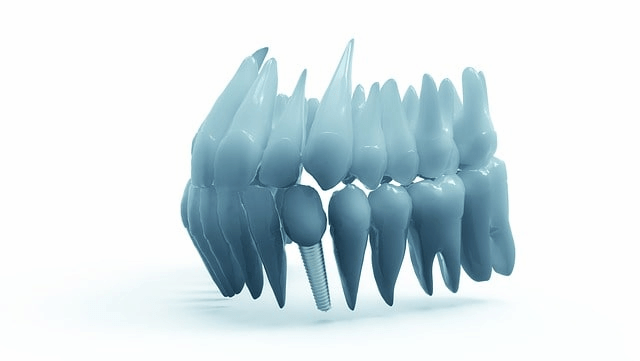
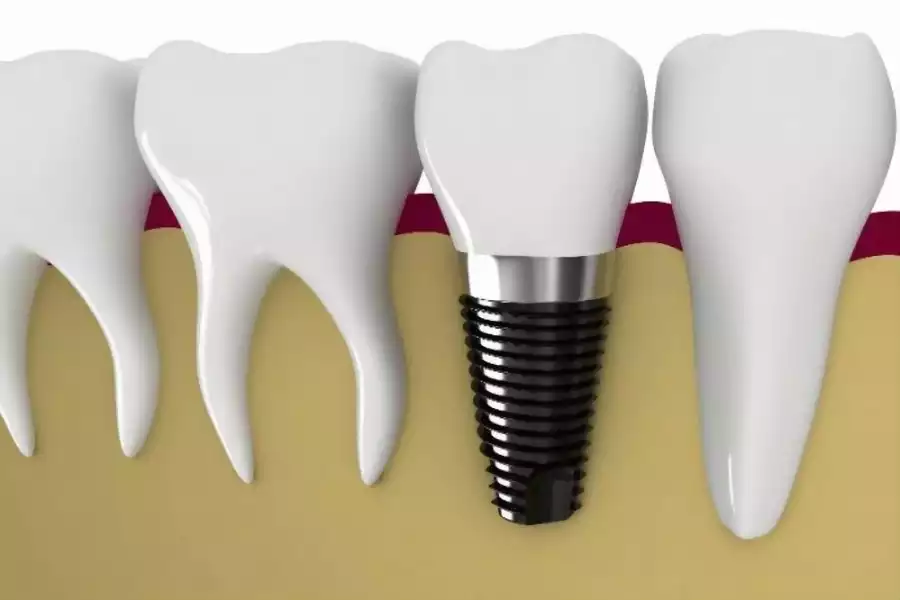
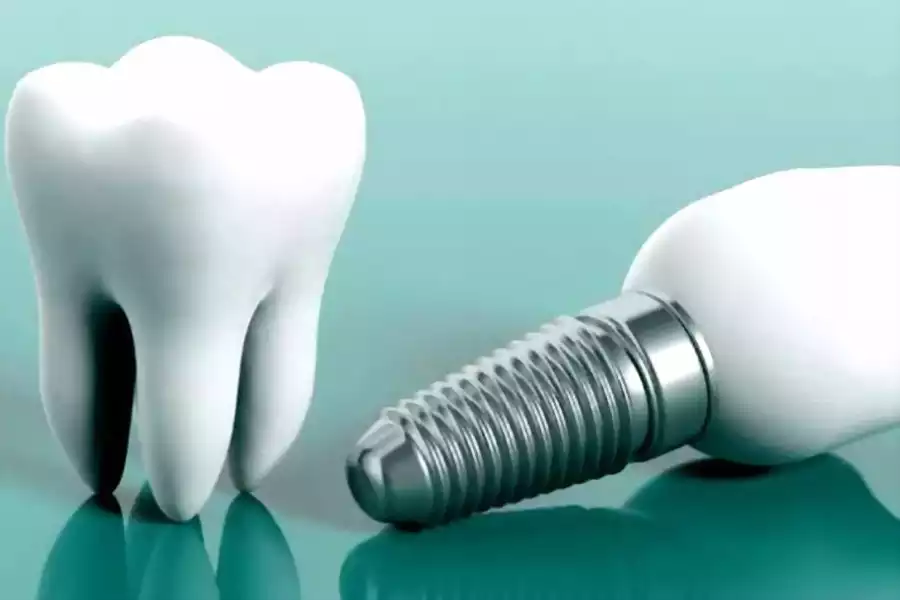
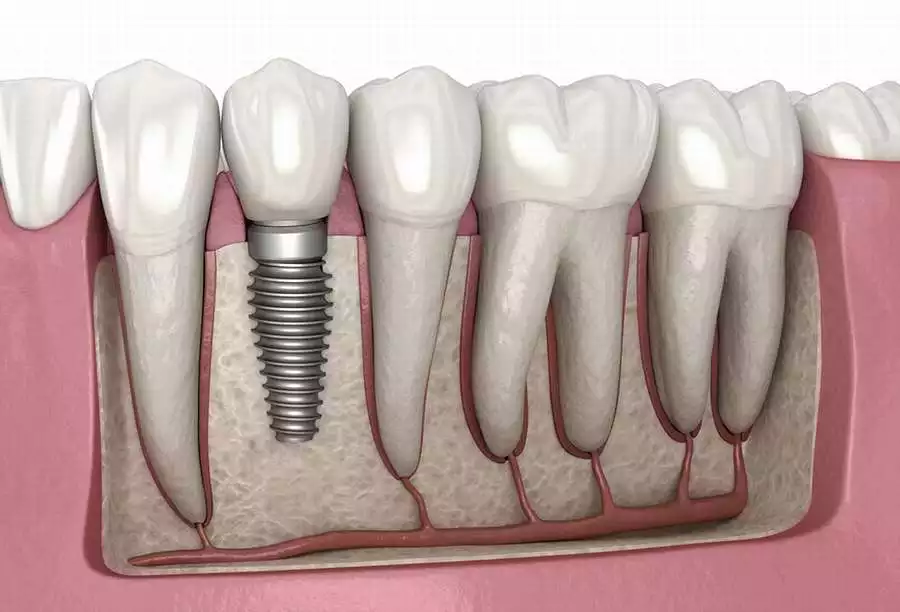
A dental implant is an artificial tooth root made of titanium that is placed into the jawbone to replace missing teeth caused by trauma, decay, or other reasons. Titanium is highly compatible with human bone tissue and provides strong and long-lasting integration with the jawbone. Dental implants are placed through a surgical procedure performed under local anesthesia.
Where Is Implant Treatment Used?
Dental implant treatment is preferred as an alternative to removable dentures or fixed porcelain bridges in cases of tooth loss. It can be used for single tooth loss, multiple missing teeth, or completely edentulous mouths.
In patients who have been without teeth for a long time, jawbone resorption occurs. Implant-supported prostheses help prevent bone loss and provide stable, fixed teeth that do not move inside the mouth.
In Which Cases Is a Dental Implant Applied?
Tooth loss may cause chewing difficulties, speech problems, and jaw joint disorders. Implant treatment can be applied in cases of single or multiple tooth loss due to decay, trauma, or other reasons.
If implants are placed shortly after tooth extraction, bone resorption can be prevented. Delayed treatment may lead to bone loss in the jaw.
Who Is Suitable for Dental Implant Treatment?
Dental implants can be safely applied to patients with healthy gums, sufficient bone structure, and no uncontrolled systemic diseases.
For successful implant treatment, any existing gum disease should be treated beforehand.
In patients with diabetes, implant treatment can be performed safely under regular medical supervision. Healing time may be longer in patients without proper medical control.
Implant treatment can be planned under medical supervision for patients with bone diseases or those who use long-term medication.
Dental implants are not applied to patients whose bone development has not yet been completed.
Heavy smoking may negatively affect the healing process and implant success. Patients are advised to stop smoking before treatment.
Advantages Of Dental Implant Treatment
Dental implants provide long-lasting, fixed teeth that restore both function and aesthetics.
After tooth extraction, leaving the area empty may cause bone loss due to lack of function. Implant placement helps preserve the jawbone and prevents bone resorption.
With proper oral hygiene and regular dental care, implants can be used safely for many years.
How Is Dental Implant Treatment Performed?
Before implant placement, detailed bone measurements are taken to determine the appropriate implant size. Under local anesthesia, the implant is placed into the prepared bone area.
If there is insufficient bone volume, bone grafting may be performed before or during implant placement.
What Happens After Implant Placement?
After the implant is placed, a healing period of approximately 1 to 3 months is required for osseointegration, which is the complete fusion of the implant with the bone. During this period, excessive pressure on the implant should be avoided.
Once osseointegration is completed, the implant is uncovered and components for the prosthetic restoration are attached. Impressions are then taken, and the final prosthesis is prepared.
Dental implant treatment is generally painless due to local anesthesia. Mild discomfort may occur during the first few days, and painkillers may be recommended if necessary.
Crowns And Veneers
Porcelain Crown
Porcelain Crown Over Implant
Zirconia Crown
Zirconia Crown Over Implant
E Max Crown
Laminate Veneer Lenses Made By Composite
Laminate Veneer Lenses Made By E Max
Bodrum Crown Bridge Treatment
Crown bridge treatments are used to restore missing or severely damaged teeth and to protect the remaining healthy tooth structure. When tooth decay or fractures cause excessive damage, porcelain crowns are applied to restore function and aesthetics.
In cases of tooth loss, crown bridges can be used to replace one or more missing teeth. The gap created by missing teeth is filled with specially designed prosthetic teeth supported by neighboring natural teeth or dental implants.
Crown Bridge Applications
In crown bridge treatment, the teeth or implants on both sides of the missing tooth area are covered with crowns. An artificial tooth is then fixed between these supports to close the gap and restore chewing function and appearance.
In our clinic in Bodrum, both metal supported and zirconia supported crown bridge applications are successfully performed using modern techniques and materials, based on the needs and expectations of our patients.
Who Can Have Crown Bridge Treatment?
Crown bridges can be applied to patients with advanced tooth damage, individuals who do not prefer orthodontic treatment, and anyone over the age of 18 with suitable oral and dental health conditions.
What Is A Metal Supported Crown Bridge?
Metal supported crown bridges are produced by layering porcelain over metal alloys such as chromium cobalt or chromium nickel. These bridges are generally preferred for back teeth, as they are not visible from the front and provide high durability for chewing forces.
What Is A Zirconium Crown Bridge?
In zirconium crown bridges, zirconium is used as the substructure instead of metal. Zirconium offers a highly natural appearance due to its light transmission properties. It is fully compatible with the human body and does not cause allergic reactions.
Zirconium crown bridges are preferred for both aesthetic and functional reasons and can be safely used in both front and back teeth.
Advantages Of Zirconium Crown Bridges
Metal supported porcelain crowns may appear artificial due to the gray reflection of metal and limited light transmission. Zirconium crowns, on the other hand, provide a much more natural and aesthetic appearance.
Zirconium is tissue friendly and does not cause allergic reactions. Unlike low quality metal porcelains, zirconium does not have toxic effects on the gums.
Because zirconium substructures are designed with computer aided systems, the margin of error is extremely low. Zirconium crowns also have very low heat conductivity, which reduces sensitivity to hot and cold.
There is no discoloration of the gums with zirconium crowns, whereas metal supported crowns may cause gray discoloration at the gum line over time.
Make Your First Appointment
We are pleased to offer crown bridge treatments and comprehensive oral and dental health services in Bodrum. Contact us today to restore your smile with safe, aesthetic, and long lasting solutions.
Surgical Services
Bone Grafting Per CC
Bone grafting is a surgical procedure performed to increase bone volume in areas where there is insufficient jawbone to support a dental implant. Bone graft material is placed into the deficient area to stimulate new bone formation and strengthen the jaw structure.
The amount of bone grafting is calculated per cubic centimeter (cc), depending on the size of the defect. Bone grafting helps prevent further bone loss and creates a stable foundation for long lasting implant treatment.
Simple Sinus Lift Per Side
A simple sinus lift is performed when there is limited bone height in the upper back jaw due to the proximity of the sinus cavity. This procedure gently elevates the sinus membrane and places bone graft material underneath to increase bone height.
Simple sinus lift procedures are usually minimally invasive and are suitable for cases where a small amount of bone augmentation is required. The treatment is performed per side, depending on whether one or both sinuses need intervention.
Complicated Sinus Lift Per Side
A complicated sinus lift is required when there is severe bone loss in the upper jaw and insufficient bone height for implant placement. In this procedure, the sinus membrane is carefully lifted through a lateral approach, and a larger volume of bone graft material is placed.
This advanced surgical technique is performed by experienced specialists and may require a longer healing period. Complicated sinus lift procedures significantly improve bone volume and allow successful implant placement even in challenging cases. The procedure is calculated per side, depending on the treatment area.
Orthodontic and Dental Treatments
Root Canal Treatment
Root canal treatment is a dental procedure used to treat infected or damaged tooth pulp. The infected tissue inside the tooth is removed, the canal is cleaned and disinfected, and then filled with a special material to prevent reinfection.
This treatment allows the natural tooth to be preserved while eliminating pain and infection. After the root canal, the tooth is usually restored with a filling or crown for long term protection.
Aesthetic Anterior Restoration
Aesthetic anterior restoration is performed to restore the appearance of front teeth that are fractured, discolored, worn, or affected by decay. High quality composite or ceramic materials are used to achieve a natural shape, color, and translucency.
This treatment improves both aesthetics and function, providing a natural looking smile while preserving healthy tooth structure.
Wisdom Tooth Extraction
Wisdom tooth extraction is a surgical procedure to remove third molars that are impacted, partially erupted, or causing pain, infection, or crowding. Wisdom teeth often lack sufficient space to erupt properly and may damage neighboring teeth.
The procedure is performed under local anesthesia and helps prevent future dental complications such as infection, cyst formation, or orthodontic problems.
Normal Tooth Extraction
Normal tooth extraction is performed when a tooth is severely damaged due to decay, trauma, or advanced gum disease and cannot be saved with restorative treatment. The tooth is gently removed under local anesthesia.
After extraction, appropriate treatment options such as implants, bridges, or dentures can be planned to restore function and aesthetics.
Normal Composite Filling
Composite fillings are used to restore teeth affected by decay or minor fractures. Tooth colored composite materials are applied directly to the cavity and shaped to match the natural tooth structure.
Composite fillings provide excellent aesthetics, strong bonding, and long lasting results while preserving as much natural tooth structure as possible.
Implants Bodrum – Dental Implant Bodrum
What Is a Dental Implant?
A dental implant is an artificial tooth root, usually made of titanium or zirconia, that is surgically placed into the jawbone to support a crown, bridge, denture, or other dental prosthesis. Modern dental implants are based on a biological process called osseointegration, where the implant bonds securely with the surrounding bone.
Dental implants provide a strong, stable, and long-lasting solution for replacing missing teeth while restoring both function and aesthetics.
How Does the Dental Implant Process Work?
The implant procedure is performed in stages. First, the implant fixture is placed into the jawbone under local anesthesia. A healing period is then required to allow osseointegration to occur. Once the implant has fully integrated with the bone, an abutment is placed, followed by the final dental prosthesis such as a crown, bridge, or denture.
The healing time may vary depending on bone quality, general health, and the treatment plan.
Planning and Placement of Dental Implants
Successful implant treatment requires precise planning. The number and position of implants are carefully determined to ensure long-term stability and proper distribution of chewing forces. Advanced diagnostic tools such as digital imaging, CT scans, and CAD/CAM technology are often used to plan implant placement accurately.
Proper planning helps prevent complications and ensures optimal functional and aesthetic results.
Bone and Gum Requirements for Implant Success
Healthy bone and gum tissue are essential for long-term implant success. After tooth loss, bone resorption may occur, which can affect implant stability. In such cases, additional procedures such as bone grafting, sinus lift, or gingival grafting may be required before implant placement.
These preparatory treatments help create an ideal foundation for the implant.
Fixed and Removable Implant Prosthetics
Dental implants can support both fixed and removable prosthetic solutions.
Fixed restorations include crowns, bridges, or fixed dentures that cannot be removed by the patient.
Removable implant-supported dentures can be taken out for cleaning while remaining securely attached during daily use.
The choice depends on the patient’s needs, bone condition, and personal preference.
Risks and Possible Complications
As with any surgical procedure, dental implant treatment may involve certain risks. These can include surgical complications such as bleeding or nerve irritation, early issues like infection or failure of osseointegration, and long-term complications such as peri-implantitis or mechanical wear.
With proper planning, hygiene, and professional care, these risks are minimized.
Success Rates and Longevity of Dental Implants
When placed in healthy bone and maintained with good oral hygiene, dental implants have very high success rates. Studies show survival rates of over 90% after 5 years and long-term functionality lasting 10–15 years or more.
Regular dental check-ups and proper oral care are key to maintaining implant health and longevity.