
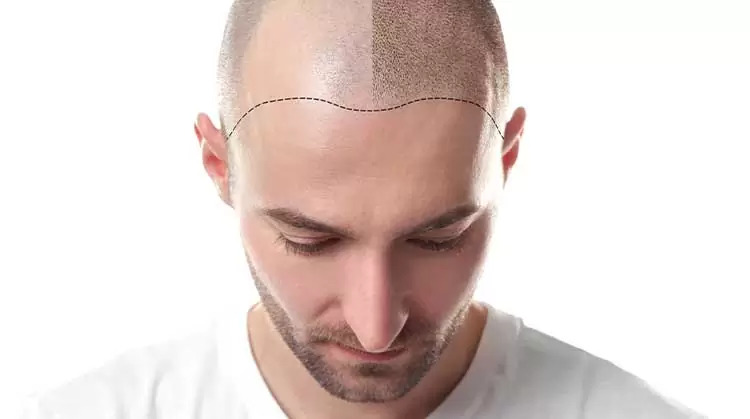

Things to know when having a hair transplant in Turkey Would you like to have a hair transplant in Turkey?

If so, you need to be aware of the potential risks associated with it and make sure you choose a reputable and experienced surgeon. In this article, we will discuss the dangers of hair transplantation in Turkey, including cost, over-harvesting of the donor area, risks of too much density on the recipient scalp, poor hairline design, incorrect angles and orientation of the grafts, and lack of follow-up care. We will also explain how to choose a hair transplant surgeon.
Things to know when having a hair transplant in Turkey
Hair transplantation in Turkey has gained global recognition due to its high-quality services and affordable pricing. The procedure involves moving hair follicles from a donor area (usually the back or sides of the scalp) to areas experiencing thinning or baldness. Turkey has become a hub for hair restoration procedures, attracting patients from around the world for several reasons:

Key Aspects of Hair Transplantation in Turkey:
- Experienced Surgeons: Turkish clinics are known for their highly skilled surgeons with extensive experience in hair transplantation techniques, such as Follicular Unit Extraction (FUE) and Direct Hair Implantation (DHI).
- Cost-Effective: One of the major reasons for Turkey’s popularity is the affordability. The cost of hair transplantation in Turkey is significantly lower than in Western countries while maintaining high standards.
- Advanced Technology: Clinics in Turkey often use state-of-the-art equipment and innovative methods to ensure natural-looking results with minimal scarring.
- Comprehensive Packages: Many clinics offer all-inclusive packages that cover the procedure, accommodation, airport transfers, and post-operative care, making it convenient for international patients.
- Tourism Appeal: Patients often combine their medical trip with tourism, taking advantage of Turkey’s rich history, culture, and scenic destinations, including Istanbul, Bodrum, and Antalya.
Common Techniques:
- FUE (Follicular Unit Extraction): This minimally invasive technique involves extracting individual hair follicles and transplanting them into the target area. It’s popular due to its faster recovery time and reduced scarring.
- DHI (Direct Hair Implantation): A variation of FUE, DHI uses a specialized tool to implant the extracted follicles directly without creating channels, ensuring greater precision.
Why Turkey?
- Reputation: Turkey is considered a world leader in hair transplantation due to its high volume of surgeries and successful outcomes.
- Accredited Clinics: Many clinics in Turkey are internationally accredited, ensuring safety, quality, and ethical practices.
Hair Transplant Types
Hair transplantation involves various techniques designed to restore hair in areas experiencing thinning or baldness. Below are the main types of hair transplant procedures:
1. FUE (Follicular Unit Extraction)
Overview: FUE is a minimally invasive technique where individual hair follicles are extracted from the donor area (usually the back of the scalp) and implanted into the thinning or bald area.
- Procedure: Hair follicles are harvested one by one using a micro-punch tool and then transplanted into small incisions in the recipient area.
- Advantages:
- Minimally invasive
- Quick recovery time
- No visible linear scars (compared to older techniques like FUT)
- Suitable for those who prefer shorter hairstyles
- Disadvantages:
- Can be time-consuming for large areas
- Requires skill for natural placement
2. FUT (Follicular Unit Transplantation)
Overview: Also known as the strip method, FUT involves removing a strip of skin from the donor area and dissecting it into individual follicular units for transplantation.
- Procedure: A strip of scalp is surgically removed from the back of the head, and the wound is closed. The strip is then divided into small grafts containing one or more hair follicles.
- Advantages:
- Suitable for transplanting large areas in a shorter time
- Higher follicle survival rate compared to FUE
- Disadvantages:
- Leaves a linear scar
- Longer recovery time
- More invasive than FUE
3. DHI (Direct Hair Implantation)
Overview: A modified version of FUE, DHI uses a special pen-like tool (the Choi Implanter) to extract and implant hair follicles simultaneously.
- Procedure: Hair follicles are removed using the DHI pen and implanted directly into the scalp without creating incisions beforehand.
- Advantages:
- More precise placement of hair follicles
- Faster recovery time compared to FUT
- Higher density and natural-looking results
- Disadvantages:
- More expensive
- Requires highly skilled professionals
- Time-consuming for large areas
4. Robotic Hair Transplantation (ARTAS System)
Overview: Robotic hair transplantation uses advanced robotic technology to assist in the FUE process, ensuring more precision in follicle extraction and placement.
- Procedure: A robotic arm extracts hair follicles based on pre-programmed algorithms and then implants them into the recipient area.
- Advantages:
- High level of precision
- Reduces the risk of human error
- Minimally invasive
- Disadvantages:
- High cost
- Limited availability in clinics
- May lack the artistic touch of a human surgeon in certain areas
5. Sapphire FUE
Overview: A variation of the traditional FUE method, Sapphire FUE uses sapphire blades instead of steel ones for making incisions in the scalp.
- Procedure: Follicles are extracted and implanted in the same way as FUE, but sapphire blades are used for incisions, offering finer, more precise cuts.
- Advantages:
- Less tissue damage
- Faster healing and reduced risk of complications
- Higher graft survival rate
- Disadvantages:
- Similar limitations as traditional FUE
6. Stem Cell Hair Transplant
Overview: An experimental technique that involves harvesting stem cells from the patient’s body and using them to grow new hair follicles.
- Procedure: A small skin sample containing hair follicles is taken, and stem cells are extracted and replicated. These stem cells are then re-injected into the scalp to stimulate hair growth.
- Advantages:
- Potentially allows for continual hair growth
- Non-invasive
- Disadvantages:
- Still in experimental stages
- Limited availability
- Expensive
7. PRP (Platelet-Rich Plasma) Therapy for Hair Transplantation
Overview: While not a transplant itself, PRP therapy is often used in conjunction with hair transplantation to improve healing and stimulate hair growth.
- Procedure: Platelet-rich plasma is extracted from the patient’s blood and injected into the scalp to boost hair growth and recovery after surgery.
- Advantages:
- Enhances the success of hair transplants
- Promotes faster healing
- Disadvantages:
- May require multiple sessions for the best results
Each hair transplant method has its own strengths and is suited to different patient needs and conditions. Would you like more details on which method is best for you or other specific information?
Cost of a Hair Transplant in Turkey
The cost of a hair transplant in Turkey varies depending on several factors, such as the clinic, the surgeon’s expertise, the technique used, and the number of grafts needed. However, Turkey is known for offering high-quality hair transplantation at significantly lower prices compared to other countries.
Average Costs in Turkey
- FUE (Follicular Unit Extraction):
- Price Range: $1,500 – $4,500
- Factors: Depends on the number of grafts (usually between 2,000 and 5,000) and the clinic’s reputation.
- FUT (Follicular Unit Transplantation):
- Price Range: $1,500 – $3,500
- Factors: Generally lower than FUE due to the older method but still effective for larger areas.
- DHI (Direct Hair Implantation):
- Price Range: $2,000 – $5,500
- Factors: More expensive than FUE due to the specialized technique and precision required.
- Sapphire FUE:
- Price Range: $2,000 – $4,500
- Factors: This variation of FUE is slightly more expensive due to the use of sapphire blades for finer incisions.
- Robotic Hair Transplantation (ARTAS):
- Price Range: $3,000 – $7,500
- Factors: Higher cost due to the use of advanced robotic technology and its precision.
- PRP Therapy (often used with hair transplants):
- Price Range: $300 – $1,000 per session
- Factors: Usually added as part of a post-transplant care package or as a standalone treatment for hair loss.
Factors Affecting Hair Transplant Cost
- Number of Grafts: Most clinics in Turkey charge based on the number of grafts transplanted. More grafts mean higher costs.
- For example, a transplant of 2,000 grafts may cost around $2,000, while 4,000 grafts could cost upwards of $4,000.
- Technique Used:
- FUE and its variations (DHI, Sapphire FUE) are generally more expensive than FUT.
- Clinic and Surgeon Expertise:
- Well-established clinics with renowned surgeons typically charge higher fees due to their reputation, success rates, and additional services.
- All-Inclusive Packages: Many Turkish clinics offer packages that cover not only the procedure but also accommodations, airport transfers, and post-op care, providing excellent value for international patients.
- Package Price Range: $2,000 – $6,000 (including 3-5 star hotel accommodation, transportation, and consultation).
- Location: Costs may vary slightly depending on the city. Popular destinations like Istanbul, Antalya, and Ankara might have slightly higher prices compared to smaller cities.
Why is Turkey More Affordable?
- Lower Operating Costs: The cost of living and wages in Turkey are lower than in Western countries, allowing clinics to offer competitive prices.
- High Volume of Procedures: Turkey performs thousands of hair transplants annually, and this volume allows for economies of scale.
- Government Support: The Turkish government promotes medical tourism, including hair transplantation, offering favorable conditions for clinics to operate.
Comparison to Other Countries
- USA: $8,000 – $15,000
- UK: £5,000 – £10,000
- Germany: €6,000 – €12,000
- Canada: CAD 7,000 – CAD 15,000
Turkey’s affordable pricing combined with high standards of care and expertise makes it one of the top destinations for hair transplants globally.
Over-harvesting of the donor site
Over-harvesting of the donor site in a hair transplant refers to the excessive extraction of hair follicles from the donor area (usually the back or sides of the scalp), which can lead to several undesirable outcomes. The donor area is limited, and if too many grafts are removed, it can result in visible thinning, scarring, or an unnatural appearance.
Causes of Over-Harvesting:
- Inexperienced Surgeons: Surgeons without the necessary expertise might extract too many follicles from a concentrated area, leading to a patchy look.
- High Demand for Grafts: Patients who require a large number of grafts may face a risk of over-harvesting if the surgeon tries to meet this demand without considering the long-term effects on the donor site.
- Poor Planning: A lack of a well-thought-out extraction strategy can result in uneven harvesting, causing visible scarring or depletion of donor hair for future transplants.
- Repeated Procedures: Undergoing multiple hair transplant surgeries without allowing adequate recovery or without sufficient donor supply can lead to over-harvesting over time.
Consequences of Over-Harvesting:
- Visible Thinning in the Donor Area: The donor area can appear sparse or thin, particularly if a large number of grafts were extracted from a concentrated area.
- Scarring: Excessive extraction can result in noticeable scarring, especially if the FUE technique is not performed carefully. This can be problematic for people who wear their hair short.
- Limited Future Options: Over-harvesting reduces the available donor supply for future transplants, which could be a problem if additional procedures are needed.
- Aesthetic Imbalance: Over-harvesting can create an unnatural imbalance between the donor and recipient areas, as the donor site becomes visibly thinner while the transplanted area gains density.
Preventing Over-Harvesting:
- Choosing a Skilled Surgeon: It’s crucial to select an experienced and reputable surgeon who can assess the donor area’s capacity and distribute the extraction evenly to avoid thinning.
- Proper Graft Calculation: Surgeons should determine the exact number of grafts needed without over-extracting, preserving enough donor hair for potential future procedures.
- Donor Site Management: A good surgeon will ensure that follicles are harvested from various parts of the donor area to avoid concentrating extraction in one spot.
- Moderate Expectations: Patients should have realistic expectations about how many grafts can be safely transplanted. If the donor supply is limited, the focus should be on achieving a natural result rather than overloading the recipient area.
Solutions for Over-Harvesting:
- Scalp Micropigmentation (SMP): This is a non-invasive technique where pigments are applied to the scalp to give the appearance of denser hair in the donor area.
- PRP Therapy: Platelet-rich plasma can be used to stimulate hair growth in the over-harvested donor area, though results may vary.
- Body Hair Transplantation: If the scalp donor area is depleted, body hair from the chest, beard, or other areas can sometimes be used, though body hair behaves differently from scalp hair.
Ensuring careful planning and realistic expectations is key to avoiding over-harvesting and achieving long-lasting, natural results in hair transplantation. Would you like more details on how to avoid this or what to do if over-harvesting has occurred?
Risks of too much density on the recipient scalp
Overloading the recipient scalp with too much density during a hair transplant can lead to several risks and complications. While achieving a natural, full head of hair is the goal of most patients, placing too many grafts in one area can cause aesthetic, medical, and technical issues. Here are some of the potential risks associated with excessive density in the recipient area:
1. Compromised Blood Supply
- Risk: Placing too many grafts in a concentrated area can restrict the blood supply to the transplanted follicles. Hair follicles rely on an adequate blood supply to survive and grow. Overcrowding the recipient area can lead to poor circulation, causing some of the grafts to die or fail to take root.
- Result: This can result in patchy hair growth or graft failure, which can be disappointing after the procedure.
2. Necrosis of the Scalp
- Risk: In extreme cases, overloading the scalp with too many grafts can cause necrosis (tissue death) in the recipient area. This occurs when the scalp’s blood vessels are overwhelmed, leading to a lack of oxygen and nutrients in the tissue.
- Result: Necrosis can lead to permanent scarring and damage to the scalp, which can be difficult to repair.
3. Unnatural Appearance
- Risk: Overpacking grafts in one area can result in an unnaturally dense look that does not match the natural hair pattern. Hair naturally grows with a specific density and direction, and transplanting too much hair in one area can create an unbalanced or “pluggy” appearance.
- Result: Instead of a natural, aesthetically pleasing result, the hair can look artificial or dense in certain areas while other areas may still appear thin.
4. Shock Loss of Existing Hair
- Risk: If the recipient area already has some existing hair, placing too many grafts too close together can cause trauma to the surrounding hair follicles. This may result in shock loss, where the natural hair around the transplanted area temporarily falls out due to the stress of the procedure.
- Result: While shock loss is usually temporary, it can sometimes lead to permanent hair loss if the follicles are damaged beyond repair.
5. Increased Risk of Infection
- Risk: With too many incisions made to accommodate the excess grafts, there is a higher risk of infection in the recipient area. The healing process can become compromised if the area is overcrowded, and the skin is more vulnerable to bacterial infections.
- Result: Infection can delay healing and may lead to scarring or the loss of transplanted hair.
6. Delayed Healing
- Risk: When too many grafts are transplanted in a single session, the healing process can be delayed. The scalp may become excessively swollen, and scabbing or crusting can take longer to resolve. This prolonged healing time can be uncomfortable and may increase the chances of complications.
- Result: Delayed healing can affect the overall success of the transplant and increase the risk of side effects such as scarring or graft failure.
7. Limited Options for Future Procedures
- Risk: Transplanting too many grafts in one session may deplete the donor area, making it difficult to perform future transplants. If a patient desires additional transplants in the future or if the current one fails, there may be limited donor hair available.
- Result: This could limit the patient’s options for further treatments and lead to frustration if additional density is needed later.
8. Poor Direction and Angling of Hair
- Risk: In a rush to achieve density, the natural angle and direction of hair growth may be overlooked. Hair needs to be transplanted at the right angle to mimic natural growth patterns. Overloading the scalp can result in hair being implanted in unnatural directions.
- Result: This can lead to an awkward appearance, making the transplanted hair stand out rather than blend seamlessly with existing hair.
How to Avoid These Risks:
- Proper Planning: A skilled surgeon will carefully plan the distribution of grafts, ensuring a balance between density and natural appearance.
- Moderate Density in Stages: Instead of placing too many grafts in one session, surgeons may recommend spacing out the procedure over multiple sessions to allow proper healing and optimal results.
- Skilled Surgeon Selection: Choosing an experienced surgeon who understands the limitations of the recipient scalp and the intricacies of hair density is crucial.
- Post-Operative Care: Following proper post-operative care instructions, such as avoiding excessive sun exposure and following cleaning protocols, can help mitigate the risk of complications.
Achieving a natural, long-lasting result requires precision and care, and overloading the recipient area can lead to more problems than benefits.
Bad Hairline Design
A poorly designed hairline can be one of the most noticeable and disappointing outcomes of a hair transplant. The hairline is the most visible part of the transplant, and if it doesn’t look natural, the entire procedure can seem unsuccessful. Below are some common issues and risks associated with bad hairline design in hair transplants, as well as ways to avoid them.
Common Issues in Bad Hairline Design:
- Straight or Rigid Hairline
- Problem: A hairline that is too straight, without any natural irregularities, looks artificial and obvious. Natural hairlines have subtle variations in height and density.
- Result: This can make the transplant look unnatural, especially as you age since natural hairlines tend to have soft edges and slight recession over time.
- Too Low Hairline
- Problem: Placing the hairline too low on the forehead can result in an unnatural, youthful appearance that does not match the patient’s age, facial features, or future hair loss patterns.
- Result: A low hairline might look out of place, especially as the patient ages, and can also leave less space for future transplants if hair loss progresses.
- Too High Hairline
- Problem: A hairline that is placed too high can result in an overly receded or mature look, even if the patient desires a more youthful appearance.
- Result: This can lead to dissatisfaction, as the hairline might not provide the desired coverage or framing of the face.
- Poor Angling and Direction of Hair
- Problem: The direction and angle at which the grafts are implanted play a crucial role in creating a natural look. A bad hairline design might have hairs pointing upward, backward, or at awkward angles, which makes the hairline appear fake.
- Result: The hair may stand out in an unnatural way, which can be noticeable up close and when styling the hair.
- Symmetry Issues
- Problem: While symmetry is important, a hairline that is too perfectly symmetrical can look artificial, as natural hairlines often have slight asymmetry.
- Result: A perfectly symmetrical hairline can draw attention for the wrong reasons, making it seem obvious that a transplant was done.
- Unnatural Density
- Problem: Over-packing grafts in the hairline can make it appear too dense, which is unnatural for a front hairline. Natural hairlines gradually increase in density as you move further back.
- Result: This can create a “pluggy” look that is obvious and doesn’t blend well with the rest of the scalp.
- Not Accounting for Future Hair Loss
- Problem: Designing a hairline without considering future hair loss can result in an unnatural appearance as the surrounding hair continues to thin.
- Result: This might lead to a disconnected look where the transplanted hairline remains thick, but the rest of the scalp becomes thin or balding over time.
Risks of a Poor Hairline Design:
- Aesthetic Dissatisfaction: A poorly designed hairline can lead to aesthetic dissatisfaction, as it may not complement the individual’s facial features or age.
- Permanent Scarring: Hair transplants leave behind tiny scars where grafts are extracted and implanted. If a bad hairline needs to be corrected, additional procedures will leave more scars, possibly worsening the cosmetic outcome.
- Limited Corrective Options: Fixing a poorly designed hairline is often more complex than the original procedure. It may require additional grafts, scalp reduction, or laser treatments, but the availability of donor hair is limited.
- Social and Psychological Impact: A bad hairline can affect self-confidence, leading to embarrassment or regret. Many patients seek hair transplants to improve their appearance, so a poor result can be emotionally taxing.
How to Avoid a Bad Hairline Design:
- Choose an Experienced Surgeon: Selecting a qualified, experienced surgeon with a good track record is crucial. A skilled surgeon understands the aesthetics of a natural-looking hairline and tailors the design to the patient’s face, age, and hair loss progression.
- Personalized Hairline Design: The hairline should be designed based on individual facial proportions, age, and the natural hairline pattern. It’s important to avoid a one-size-fits-all approach.
- Conservative Approach: A conservative hairline design that leaves room for future hair loss and possible additional procedures is essential. Lowering the hairline too much or packing it with too many grafts can create problems later.
- Use of Single Follicular Units: In the frontal hairline, only single-hair follicular units should be used to ensure a soft, natural transition. Multi-hair grafts can make the hairline appear too thick and artificial.
- Patient Consultation and Planning: Surgeons should have a thorough consultation with the patient to understand their expectations, hair loss history, and future goals. Clear communication ensures that both the patient and surgeon are aligned on the desired outcome.
- Age-Appropriate Design: The hairline should suit the patient’s age and potential future hair loss. Younger patients should avoid low, dense hairlines that might look unnatural as they age.
Correcting a Bad Hairline Design:
- Hairline Revision Surgery: A revision hair transplant can be done to adjust the hairline’s shape, density, or placement. This may involve removing grafts, redistributing them, or adding new grafts to balance the appearance.
- Laser Hair Removal: For patients with an overly dense or low hairline, laser hair removal can be used to thin out or reshape the hairline.
- Scalp Micropigmentation (SMP): SMP can be used to blend and soften the appearance of the hairline by creating the illusion of more density or balance without requiring additional grafts.
Achieving a natural hairline is essential for a successful hair transplant. Proper planning, an experienced surgeon, and an individualized approach are key to avoiding the risks of a bad hairline design.
Wrong angles and orientations of grafts
Incorrect angles and orientations of grafts during a hair transplant can lead to an unnatural appearance that is immediately noticeable. The direction and angle at which hair grows are critical for creating a natural look. If these factors are mishandled, the results can be aesthetically unsatisfactory and difficult to fix. Here’s an overview of the risks, causes, and solutions associated with wrong angles and orientations of hair grafts:
Risks of Incorrect Angles and Orientations:
- Unnatural Hair Growth Direction
- Problem: If the hair follicles are transplanted at the wrong angle, the hair can grow in unnatural directions, such as straight up, outwards, or backwards.
- Result: This creates an awkward, artificial look, making the transplanted hair stand out instead of blending with the natural hair.
- Poor Styling Options
- Problem: Hair that grows at incorrect angles is difficult to style naturally. Hair that grows against the natural flow can be challenging to comb or manage, leading to frustration when trying to achieve the desired look.
- Result: Limited styling options and the need to use more products or tools to make the hair lie flat or behave in a desired way.
- Exaggerated “Pluggy” Look
- Problem: Grafts placed at the wrong angle can appear too upright, leading to a “pluggy” or doll-like effect. This occurs especially when grafts grow straight out rather than lying flat against the scalp.
- Result: The hair looks unnatural and draws attention to the fact that a hair transplant was performed.
- Scalp Coverage Issues
- Problem: If grafts are not angled correctly, the transplanted hair may not provide adequate coverage. Hair growing in the wrong direction might leave areas looking thinner than they should be.
- Result: This may reduce the effectiveness of the transplant, leading to dissatisfaction with the overall density and coverage.
- Ineffective Use of Donor Hair
- Problem: Donor hair is a limited resource, and when it is used in an ineffective way due to poor angles or orientations, it can be wasted. This can lead to the need for additional procedures, which might not be possible if the donor supply is depleted.
- Result: The need for corrective surgeries or the inability to achieve the desired result due to a lack of donor hair.
Causes of Incorrect Angles and Orientations:
- Inexperienced Surgeon: An unskilled or inexperienced surgeon may not have the expertise to match the natural angle and orientation of the hair. Each area of the scalp has different natural hair growth patterns that must be carefully replicated.
- Lack of Detailed Planning: Improper planning and execution during the surgery can result in poorly angled grafts. A thorough understanding of the patient’s existing hair direction and an individualized approach are essential to avoid this issue.
- Rushed Procedures: In clinics that prioritize speed or volume over quality, surgeons or technicians may rush through the procedure, paying less attention to the details of the hair angles. This can lead to mistakes that affect the final result.
- Poor Graft Placement Techniques: The technique used to insert the grafts into the recipient area is crucial. If the incisions are made at the wrong angle, or if the grafts are inserted incorrectly, the hair will grow in the wrong direction.
- Body Hair Transplants: In some cases, body hair (such as from the chest or beard) may be used for transplantation. Body hair often has different growth characteristics than scalp hair and may grow at different angles, which can lead to an unnatural appearance if not carefully managed.
Areas Most Affected by Incorrect Graft Angles:
- Frontal Hairline: The most critical area for natural-looking results. Hair in the frontal hairline should grow forward with a slight downward slope, and incorrect angles here are very noticeable.
- Temporal Peaks: These areas near the temples have unique hair growth patterns that require careful angling. Incorrect graft placement here can ruin the natural flow between the hairline and sideburns.
- Crown (Vertex): The crown has a natural swirl or whorl pattern that requires a detailed understanding of hair growth direction. Incorrect angles in this area can lead to an awkward patchy or disorganized appearance.
How to Avoid Incorrect Angles and Orientations:
- Choose an Experienced Surgeon: The most effective way to avoid this issue is to select a qualified, experienced hair transplant surgeon with a track record of successful results. A surgeon’s skill and attention to detail are critical in ensuring that grafts are placed at the correct angle.
- Detailed Pre-Operative Planning: The surgeon should carefully study the patient’s natural hair growth pattern, including direction, density, and hairline shape, before making any incisions. This planning ensures that the grafts follow the natural angles of the surrounding hair.
- Use of Advanced Techniques: Advanced techniques like the DHI (Direct Hair Implantation) method, where grafts are implanted directly into the recipient area without creating pre-made incisions, can allow for more control over the angle and direction of each graft.
- Precise Incision Techniques: In methods like FUE, the incisions made for graft placement should be carefully angled to match the natural hair direction. The orientation of the blade or needle during these incisions is key to replicating natural growth.
- Utilizing Single-Hair Grafts in the Hairline: Single-hair grafts should be used in the frontal hairline, placed at shallow angles to mimic the soft, fine hair found naturally in this area. Using multi-hair grafts or placing them at the wrong angle here can create a thick, unnatural appearance.
Correcting Incorrectly Angled Grafts:
- Revision Hair Transplant: In some cases, a revision surgery can be performed to remove or re-angle the misplaced grafts. This is a more complex procedure and should be performed by a highly experienced surgeon.
- Laser Hair Removal: If only a small number of grafts are affected and the angles are not correctable, laser hair removal can be used to remove the poorly angled grafts.
- Camouflage with New Grafts: If there are areas where the angles are incorrect, additional grafts can sometimes be placed to camouflage the problem by adding new hair that grows in the correct direction.
- Scalp Micropigmentation (SMP): This non-invasive procedure can be used to camouflage areas where hair growth direction is awkward, by creating the illusion of a fuller, well-aligned hair pattern.
The angle and orientation of grafts are crucial for achieving a natural-looking hair transplant. Poorly angled grafts can result in an artificial appearance, limited styling options, and long-term dissatisfaction. Ensuring that a skilled and experienced surgeon is performing the procedure, with careful planning and precision, is key to avoiding these issues. If incorrect angles do occur, there are corrective options available, but prevention is the best approach for optimal results.
No Post-transplant Follow-up Care
Not receiving proper post-transplant follow-up care after a hair transplant can lead to various complications that affect both the short-term recovery process and the long-term success of the procedure. Follow-up care is essential to monitor healing, address any complications, and ensure that the transplanted hair grows healthily. Here are the risks, consequences, and importance of post-transplant care:
Risks of No Follow-Up Care:
- Infection Risk
- Problem: The scalp has small incisions from where the grafts were placed, which are susceptible to infections, especially in the first few days post-surgery. Without proper monitoring, infections may go unnoticed or untreated.
- Result: Infection can lead to delayed healing, scarring, and even loss of transplanted hair. In severe cases, it may require antibiotics or additional medical interventions.
- Improper Healing
- Problem: Follow-up appointments allow the surgeon to check if the scalp is healing correctly. Without this monitoring, scabs, swelling, or redness could persist longer than normal, or complications like excessive crusting or scarring could develop.
- Result: Poor healing can impact the final aesthetic results, and untreated issues could lead to permanent scarring or the failure of the transplanted grafts.
- Loss of Transplanted Hair (Graft Failure)
- Problem: In the days and weeks after a transplant, the grafts are vulnerable. Without guidance from follow-up appointments, patients may unknowingly engage in activities or use products that harm the grafts, such as scratching the scalp or using harsh shampoos.
- Result: This can result in the loss of transplanted hair follicles, reducing the effectiveness of the transplant.
- Swelling and Pain Management Issues
- Problem: Swelling of the scalp and forehead is common after a hair transplant. Without follow-up care, patients may not receive proper instructions on how to manage this or identify if swelling has become abnormal.
- Result: Excessive or prolonged swelling could cause discomfort and delay recovery, and in rare cases, it may indicate an underlying issue that needs to be addressed.
- Shock Loss
- Problem: Shock loss, or temporary shedding of native hair around the transplant site, is a common side effect. Without follow-up care, patients may become alarmed by this natural process or fail to manage it properly.
- Result: Patients may mistakenly think their transplant has failed when in fact it is part of the healing process. A surgeon can reassure patients during follow-up and explain how the hair will regrow.
- Scarring and Poor Aesthetic Outcomes
- Problem: A lack of follow-up care means that potential aesthetic issues, such as visible scarring, misaligned hairlines, or patchy growth, won’t be identified or addressed in time.
- Result: The final aesthetic result may not be as expected, and correcting issues later can be more difficult or require additional surgeries.
- Incorrect Hair Care Routine
- Problem: Patients need guidance on how to wash, treat, and style their new hair in the initial recovery period. Without follow-up, they might use products or techniques that irritate the scalp or damage the grafts.
- Result: Improper hair care can affect the healing of the scalp and the overall success of the hair transplant.
- Over-Harvesting of Donor Area
- Problem: During follow-up visits, the surgeon monitors both the recipient and donor areas for healing and scarring. Without this care, patients may develop issues in the donor area, such as over-harvesting, without knowing.
- Result: The donor area may heal poorly or become visibly thin or scarred, affecting future transplant options and appearance.
- Lack of Adjustments or Corrections
- Problem: In some cases, small adjustments or corrective actions may be needed after the initial transplant. Without follow-up care, minor issues may develop into larger ones.
- Result: The patient might miss the opportunity to make small tweaks that could improve the overall outcome, such as adjusting hairline density or direction.
Why Post-Transplant Follow-Up Care is Important:
- Monitoring Healing Progress
- Importance: Follow-up visits allow the surgeon to track how well the scalp is healing. This ensures that any early signs of complications, such as infection, excessive swelling, or scarring, are addressed before they worsen.
- Guidance on Hair Care
- Importance: Patients are often given specific instructions on how to care for their scalp and new grafts. This includes how and when to wash their hair, avoid harmful activities (like sun exposure or exercise), and manage scabs. Follow-up care helps ensure these guidelines are followed correctly.
- Addressing Patient Concerns
- Importance: Patients may have questions or concerns during the recovery process, such as about swelling, shock loss, or the appearance of their new hairline. Follow-up care provides reassurance and answers, reducing anxiety.
- Early Detection of Issues
- Importance: Regular follow-ups help identify any potential problems, such as poorly healing grafts, scarring, or areas where the hair is not growing as expected. Catching these issues early makes it easier to fix them without needing major interventions later.
- Ensuring Long-Term Success
- Importance: Hair transplants don’t show final results for months or even a year after the procedure. Regular follow-up appointments help ensure that the grafts are growing properly and the final outcome meets expectations.
Typical Post-Transplant Follow-Up Schedule:
- First 1-3 Days: Initial check-up to assess the immediate healing process and ensure there are no signs of infection or excessive bleeding.
- 1 Week: A follow-up to examine the scabs, swelling, and general healing. The surgeon might provide additional instructions on washing or caring for the scalp.
- 1 Month: The grafts begin to shed, and shock loss may occur. The surgeon will assess if the shedding is normal and ensure that healing is progressing.
- 3-6 Months: This period is crucial for evaluating hair regrowth. At this stage, the hair may begin to grow in. The surgeon will check for density, growth direction, and any need for touch-ups or corrections.
- 1 Year: The final results of the transplant are typically visible by this time. The surgeon will evaluate the overall success of the procedure, the appearance of the hairline, and the health of both the donor and recipient areas.
Consequences of Skipping Follow-Up Care:
- Permanent Damage to Scalp and Hairline: Neglected post-operative care can lead to irreversible damage, such as scarring or hairline distortion.
- Suboptimal Results: Without professional monitoring, the final outcome may not meet expectations, and future corrections may be more difficult or costly.
- Complications Going Unnoticed: Minor issues that could have been easily treated with timely intervention may develop into more serious problems, requiring more invasive procedures to correct.
In summary, post-transplant follow-up care is vital for ensuring a successful recovery and optimal long-term results. It allows for early detection of any issues, proper management of healing, and adjustments to achieve the best possible outcome.
How to Choose a Hair Transplant Surgeon
Choosing the right hair transplant surgeon is critical for achieving natural-looking, long-lasting results. Since hair transplantation is a specialized procedure that requires both medical expertise and artistic skill, selecting a qualified and experienced surgeon can make the difference between a successful outcome and a disappointing one. Here’s a detailed guide on how to choose the best hair transplant surgeon:
1. Verify Credentials and Qualifications
- Board Certification: Ensure that the surgeon is board-certified by recognized medical organizations, such as the International Society of Hair Restoration Surgery (ISHRS) or other relevant medical boards. Certification demonstrates that the surgeon has received specialized training in hair restoration.
- Medical License: Confirm that the surgeon holds a valid medical license to practice in the country or state where they operate. This ensures they meet the necessary legal and medical standards.
- Training and Experience: Look for a surgeon with extensive training in hair restoration techniques, such as FUE (Follicular Unit Extraction) or FUT (Follicular Unit Transplantation). Ideally, they should have several years of experience performing hair transplants.
2. Research the Surgeon’s Experience
- Number of Procedures Performed: Ask how many hair transplant surgeries the surgeon has performed. The more surgeries they have completed, the more likely they are to have refined their skills.
- Specialization in Hair Transplants: Some doctors may perform hair transplants as a side service. It’s best to choose a surgeon who specializes in hair transplantation, as this indicates a deeper focus and expertise in the field.
- Experience with Specific Hair Types: If you have a particular hair type, such as curly or fine hair, ensure that the surgeon has experience working with it. Different hair types require specific techniques to achieve optimal results.
3. Review Before-and-After Photos
- Look for Consistency: Examine a surgeon’s portfolio of before-and-after photos to see their results with previous patients. Pay attention to the naturalness of the hairline, density, and overall appearance.
- Look for Patients with Similar Hair Loss: Focus on patients who have similar hair loss patterns to yours, as this can give you a better idea of what to expect.
- Beware of Edited Photos: Ensure that the photos appear authentic and haven’t been retouched or manipulated to enhance results. Some clinics may show idealized results that are not representative of the surgeon’s typical outcomes.
4. Check Patient Reviews and Testimonials
- Online Reviews: Look for reviews on trusted platforms such as Google Reviews, RealSelf, or Hair Transplant Network. Pay attention to what previous patients have said about their overall experience, the surgeon’s skill, bedside manner, and post-operative care.
- Testimonials on the Surgeon’s Website: While testimonials on the surgeon’s website may be positive, they can still provide insights into what patients valued most about their experience.
- Look for Balanced Reviews: No surgeon will have perfect reviews, but it’s important to see how they handle any negative feedback. The best surgeons are transparent and address concerns professionally.
5. Consider the Techniques Used
- FUE vs. FUT: Some surgeons specialize in FUE (which involves extracting individual hair follicles), while others may prefer FUT (where a strip of scalp is removed and then dissected into grafts). Make sure the surgeon offers the method that’s best suited for your needs.
- Advanced Technologies: Ask whether the surgeon uses advanced technology like Robotic Hair Transplant Systems or DHI (Direct Hair Implantation). These technologies can improve precision and results.
- Customization for Your Needs: A skilled surgeon will recommend a personalized treatment plan based on your hair type, degree of hair loss, and desired outcome. Avoid surgeons who take a one-size-fits-all approach.
6. Evaluate the Surgeon’s Aesthetic Sense
- Natural-Looking Results: A good hair transplant is not just about density but also about creating a natural appearance that complements your facial features and age. The surgeon should have an eye for design, ensuring that the hairline is appropriately placed and follows the natural direction of your hair growth.
- Hairline Design: Ask how the surgeon approaches hairline design. A well-designed hairline should be slightly irregular to mimic a natural look, rather than too straight or dense at the front.
- Symmetry and Balance: The surgeon should consider the overall balance of your face and ensure that the transplanted hair enhances your appearance harmoniously.
7. Ensure Proper Follow-Up Care
- Post-Operative Care: Ask about the follow-up care provided after surgery. A reputable surgeon will offer multiple follow-up appointments to monitor healing and ensure that the grafts are growing properly.
- Patient Support: The clinic should provide detailed aftercare instructions and be available to address any concerns or complications that arise during recovery.
8. Consider the Cost, but Don’t Base Your Decision Solely on Price
- Beware of Extremely Low Prices: While affordability is important, extremely low prices can be a red flag. Discount clinics may cut corners in terms of quality, hygiene, or staff qualifications. Choose a surgeon based on skill and experience, not just cost.
- Value for Money: Weigh the cost against the surgeon’s experience, the clinic’s reputation, and the level of care provided. Sometimes paying a bit more can ensure better results and fewer risks.
- Financing Options: Some clinics offer financing plans to make the procedure more affordable. Ask about any payment options or installment plans if cost is a concern.
9. Meet the Surgeon in Person
- Initial Consultation: Schedule a consultation with the surgeon to assess their communication style, professionalism, and willingness to answer your questions. This is a good opportunity to ask about their experience, techniques, and your suitability for the procedure.
- Personalized Assessment: A competent surgeon will conduct a thorough assessment of your hair loss, scalp condition, and overall health. They should provide realistic expectations based on your unique situation.
- Trust and Comfort: It’s important to feel comfortable with your surgeon. You should be able to trust their judgment and feel that they have your best interests at heart.
10. Check the Clinic’s Reputation and Hygiene Standards
- Accreditation: Ensure that the clinic is accredited by medical organizations and follows the highest standards of hygiene and safety. A clean, sterile environment reduces the risk of infections and complications.
- Staff Qualifications: The clinic’s staff should be trained and experienced in assisting with hair transplants. Well-trained technicians play an important role in preparing and placing grafts, especially in high-volume procedures.
- Facility Tour: If possible, ask for a tour of the clinic to ensure it’s clean and equipped with modern technology.
11. Look for Surgeons with Proven Long-Term Results
- Longevity of Results: Hair transplant results can take 6 months to a year to fully develop. Ask to see photos or testimonials from patients who had their transplant years ago to confirm the durability of the results.
- Managing Future Hair Loss: A good surgeon will take into account future hair loss patterns when designing your transplant. Ask how they plan for long-term success and whether additional treatments (like PRP therapy) might be recommended later.
12. Avoid Clinics That Promise Unrealistic Results
- Manage Expectations: Be wary of surgeons or clinics that guarantee perfect results or full coverage, especially if you have significant hair loss. No reputable surgeon can promise complete success, as each patient’s outcome is different.
- Honest Assessment: A trustworthy surgeon will provide an honest evaluation of what can be achieved and will set realistic expectations. They should be upfront about limitations, risks, and possible outcomes.
Conclusion:
Choosing the right hair transplant surgeon is one of the most important decisions you’ll make for your hair restoration journey. By researching the surgeon’s credentials, experience, and aesthetic skill, reviewing before-and-after photos, and meeting with the surgeon in person, you can ensure you’re making an informed choice that will lead to successful and natural-looking results.
Turkey hair transplantation can be a cost-effective way to restore hair growth. However, there are some risks associated with the procedure, including over-harvesting of the donor area, risks of too much density on the recipient’s scalp, poor hairline design, incorrect angles and orientation of the grafts, and lack of follow-up care. It is important to choose a qualified and experienced surgeon who takes the time to design a natural-looking hairline that is proportionate to your face and provides post-procedure follow-up care.
If you are considering a hair transplant in Turkey, it is important that you are aware of the potential risks and do your research to ensure that you choose an experienced and qualified surgeon. Remember the saying: You get what you pay for!
