

Liposuction Bodrum is a body contouring procedure designed to remove stubborn fat deposits that do not respond to diet and exercise. It reshapes specific areas of the body to create a slimmer, more defined silhouette.
Liposuction Bodrum focuses on contour improvement rather than weight loss. It is ideal for patients who are close to their ideal weight but struggle with localized fat accumulation.

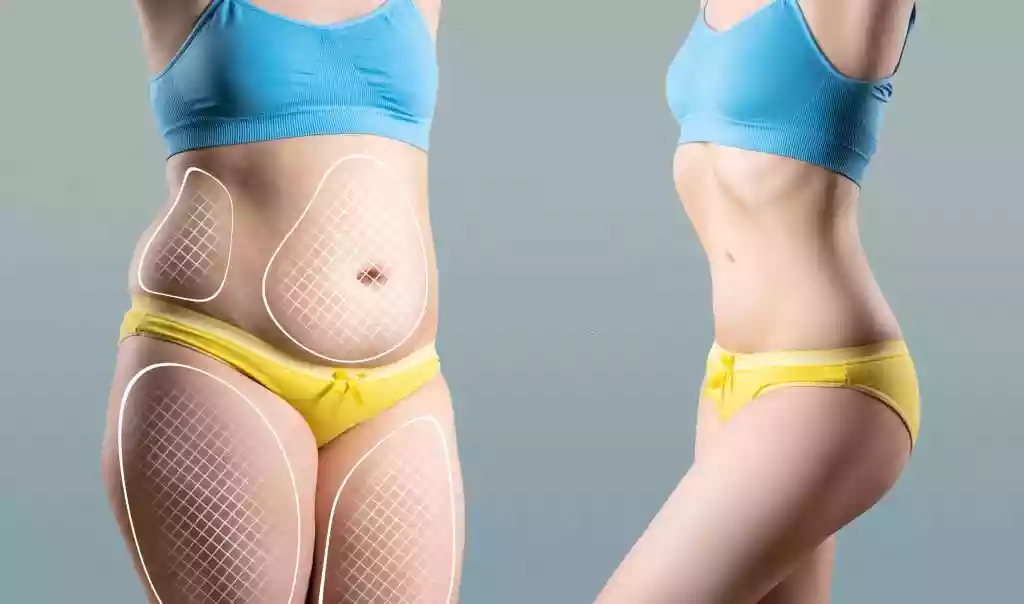

Liposuction Bodrum
What Is Liposuction?
Liposuction is a surgical technique that removes excess fat using a thin tube called a cannula. The fat is suctioned out to sculpt and refine body contours.
It is one of the most commonly performed aesthetic procedures worldwide and can target multiple areas during one session.
Which Areas Can Be Treated?
Liposuction is commonly performed on:
- Abdomen
- Waist and flanks
- Back
- Thighs
- Arms
- Chin and neck
- Hips
The procedure is customized according to body structure and aesthetic goals.
Who Is a Suitable Candidate?
You may be a good candidate if you:
- Have localized fat deposits
- Have good skin elasticity
- Are near your ideal weight
- Maintain a stable lifestyle
- Are in good overall health
Patients with significant skin laxity may require additional tightening procedures.
Types of Liposuction Techniques
Traditional Liposuction
Fat is manually removed after fluid infiltration.
VASER Liposuction
Uses ultrasound energy to break down fat before removal.
Laser-Assisted Liposuction
Uses laser energy to liquefy fat and stimulate mild skin tightening.
The appropriate method is selected based on treatment area and desired contour.
How Is Liposuction Performed?
Anesthesia
Performed under local anesthesia with sedation or general anesthesia depending on the treatment area.
Duration
Typically 1–3 hours depending on the number of areas treated.
Procedure Steps
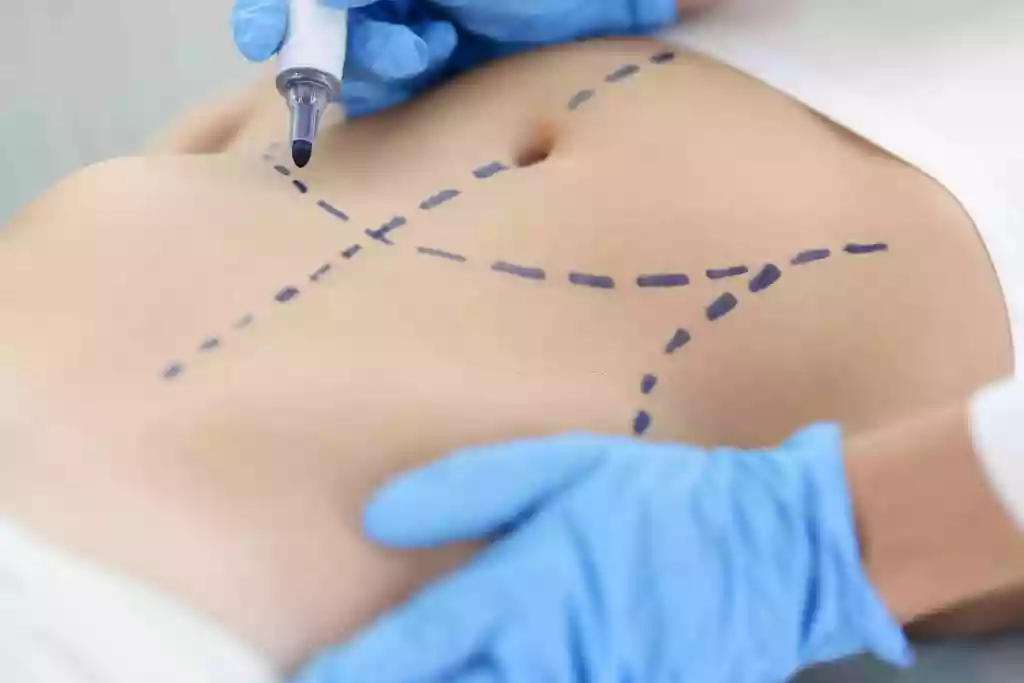
- Marking the target areas
- Injecting tumescent fluid
- Fat removal using a cannula
- Sculpting and contour refinement
Small incisions are used and placed discreetly.
Recovery After Liposuction
First Week
- Swelling and bruising
- Compression garment required
- Mild discomfort
Weeks 2–4
- Swelling gradually decreases
- Return to light activities
1–3 Months
- Noticeable contour improvement
- Final shape becomes clearer
Compression garments are typically worn for 4–6 weeks to support healing.
Will There Be Scars?
Incisions are small and strategically placed. Scars are minimal and fade significantly over time.
Are Results Permanent?
Yes. Fat cells removed during liposuction do not return. However, significant weight gain can affect remaining fat cells.
Maintaining a healthy lifestyle helps preserve long-term results.
Risks and Considerations
Possible risks include:
- Swelling
- Temporary numbness
- Minor contour irregularities
- Fluid accumulation (rare)
Choosing an experienced surgeon minimizes complications.
Liposuction Bodrum provides targeted body contouring for patients seeking a more sculpted, balanced, and refined appearance with long-lasting results.
Liposuction Bodrum
Liposuction is a cosmetic surgery procedure that removes excess fat from specific areas of the body, such as the abdomen, hips, thighs, arms, and neck. The procedure involves making small incisions in the targeted area and using a thin, hollow tube called a cannula to suction out the excess fat.
Can be performed under general anesthesia or local anesthesia, depending on the extent of the procedure and the patient’s preference. The procedure typically takes several hours to complete and may require an overnight stay in the hospital for observation.
One of the benefits of liposuction is that it can provide a more sculpted and contoured appearance to the treated areas, and can help improve the overall proportion and balance of the body. However, it’s important to note that liposuction is not a weight-loss procedure and should not be used as a substitute for diet and exercise. Additionally, while liposuction can help improve the appearance of specific areas, it may not be effective in treating cellulite or loose, saggy skin.
If you’re considering , it’s important to have a consultation with a cosmetic surgeon to discuss your goals, expectations, and medical history, and to determine whether this procedure is right for you. The surgeon will also explain the costs, benefits, and risks involved and answer any questions you may have. It’s important to choose a qualified and experienced surgeon to ensure the best possible outcome.
Lliposuction is a surgery that removes fat from the body by absorbing fat deposits in certain parts of the body with a special vacuum or special injectors. It is definitely not a weight loss surgery, it is a body contour correction surgery. With this surgery, while the fat tissue that is increased in volume and resistant to diet and exercise is removed from the body, the number of existing fat cells is also reduced.
Liposuction Types and Techniques
Continuously developing technologies contribute to the increase in the variety and success rate of liposuction procedures. These methods are applied in 5 different types.
- In the Vacuum Assisted Liposuction technique, a mixture of liquid is injected into the area where the fat will be removed before the operation. The application can be performed under full anesthesia or local anesthesia. Then, from the 2 mm incisions opened in the region, 3 mm. Oil pulling process is started by entering with cannulas in diameter.
- Ultrasonic Liposuction: In this application, which is easier to apply than the classical liposuction method, only the fat cells to be absorbed are targeted with the help of ultrasonic sound waves. The process, which is carried out without damaging the surrounding tissues, makes the application efficient in this respect.
- Power Assisted Liposuction: With the method applied using special moving cannulas, the fat that is desired to be removed in large areas is removed.
- Water Assisted: In this process, the fat is turned into a slurry with the help of water injected under the skin and suction is performed using cannulas.
- Radio Frequency Assisted: The skin, which is heated by laser under the fat suction process with the classical vacuum method, becomes more taut. The most obvious difference from other types of is the tension it provides on the skin.
Operations are performed between 1-3 hours on average. Although it is natural for the surgeon to decide to take different amounts of oil in line with the examination and patient complaints, the amount considered medically appropriate is between 2.5 and 4.5 liters per day on average. Before the application, the area to be shaped and fat removed is marked by the surgeon. In order to better observe the result of the operation, a photo can be taken before the operation. Afterwards, general or local anesthesia is applied according to preference.
What are the points to be considered in the postoperative period?
There is not much pain after the surgery. Mild pains are relieved with painkillers. Patients are usually discharged on the same day or one day later. It is possible to return to work in 2-3 days.
There may be swelling and bruising in the post-operative period. It usually resolves in 2 weeks. However, it takes about 6-12 months for all the swelling in the operation area to go down and the area to take its final shape. During this period, massage and some other treatments can be applied for support purposes.
What are the side effects of liposuction?
Liposuction is a cosmetic surgery procedure that carries some risks and potential side effects, including:
- Pain and discomfort: Most patients experience some level of pain and discomfort after liposuction, although this is usually managed with prescription pain medications.
- Bruising and swelling: Bruising and swelling are common after liposuction and can last for several weeks or months.
- Infection: There is a risk of infection with any surgical procedure, including liposuction. The incisions are usually closed with sutures or staples to minimize the risk of infection.
- Scarring: Scarring is a common side effect of and may be noticeable, especially in areas where the incisions are larger.
- Numbness: Some patients may experience temporary numbness in the treated areas after.
- Fluid accumulation: Fluid accumulation, or seroma, is a risk after and can be treated with drainage or additional surgery.
- Irregularities: There is a risk of irregularities in the contour of the treated area after, including unevenness, dimpling, or rippling of the skin.
- Asymmetry: Some patients may experience asymmetry in the treated areas after, which may require additional surgery to correct.
It’s important to keep in mind that the side effects of vary from patient to patient and depend on several factors, including the extent of the procedure, the patient’s overall health, and the patient’s healing ability. It’s important to discuss the risks and potential side effects of with your cosmetic surgeon before undergoing the procedure.
What is Liposuction Substance?
In the context of liposuction, the term “liposuction substance” refers to the solution that is used to help break up and remove fat during the liposuction procedure. The liposuction substance, also known as a tumescent solution, is a mixture of sterile saline, anesthetic (such as lidocaine), and a vasoconstrictor (such as epinephrine).
The tumescent solution is infused into the targeted area before the liposuction procedure to help shrink blood vessels, reduce bleeding, and minimize pain and discomfort during and after the procedure. The solution also makes it easier to remove the excess fat through the cannula.
It’s important to note that the composition of the tumescent solution can vary, depending on the preferences and experience of the cosmetic surgeon, as well as the patient’s medical history and the extent of the liposuction procedure. Your cosmetic surgeon will discuss the details of the tumescent solution used in your procedure and answer any questions you may have.
Liposuction Prices
The cost of liposuction can vary widely depending on several factors, including:
- Location: The cost of liposuction can vary depending on the location of the cosmetic surgery practice. For example, the cost of liposuction may be higher in major cities or metropolitan areas.
- Extent of the procedure: The cost of liposuction depends on the extent of the procedure, including the number of areas being treated and the amount of fat being removed.
- Surgeon’s experience and qualifications: The cost of liposuction can also depend on the experience and qualifications of the cosmetic surgeon performing the procedure.
- Type of liposuction: The cost of can also depend on the type of procedure being performed, including traditional, laser-assisted, or ultrasound-assisted.
Typically, the cost of ranges from $2,000 to $10,000 or more, depending on the factors listed above. It’s important to keep in mind that the cost of does not include other related expenses, such as anesthesia fees, hospital or surgical facility fees, and post-operative care.
It’s always best to discuss the costs involved in your procedure with your cosmetic surgeon, who can provide a detailed estimate and answer any questions you may have. Additionally, it’s important to choose a qualified and experienced cosmetic surgeon who can provide safe and effective results and help minimize the risks and complications of the procedure.

