Prof. Dr. Murat Urkan: Weight Can Return After Stomach SurgeryWho is obesity surgery for, which methods exist, how does sleeve gastrectomy reduce appetite and what does it take to keep the weight off after stomach surgery?
Weight after stomach surgery can partly come back if lifestyle does not change; real success depends on habits after the operation.
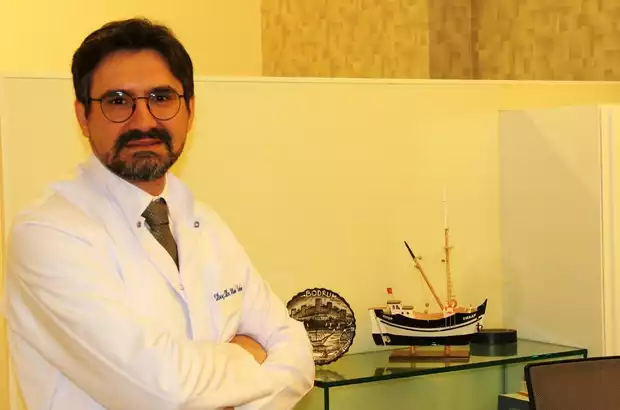
Obesity surgery has become more and more common in recent years. General Surgeon Prof. Dr. Murat Urkan, who works at Acıbadem Bodrum, explains that the operation alone is not a lasting cure and that real success depends on habits after surgery.
In this article we have brought together Prof. Dr. Urkan’s explanations on obesity surgery, the criteria in current international guidelines and what to watch out for after stomach surgery. The article is for general information; your doctor will decide on the right treatment for you after an examination.
- Expert
- Prof. Dr. Murat Urkan
- Specialty
- General surgery, obesity surgery
- Institution
- Acıbadem Bodrum
- Topic
- Weight after stomach surgery
- 🩺 Expert view
- ⚖️ Obesity surgery
- 🥗 Lifestyle
- 📚 Sourced
 1 / 2
Who is Prof. Dr. Murat Urkan?
Prof. Dr. Murat Urkan is a general surgeon seeing patients at Acıbadem Bodrum Hospital and Acıbadem Bodrum Medical Center. The Acıbadem profile lists the doctor in the general surgery and breast clinic units, and the Acıbadem International profile in general surgery and obesity and metabolic surgery. Previously introduced as an associate professor, Prof. Dr. Urkan is listed as a professor in current profiles. Besides general and obesity surgery, Prof. Dr. Urkan also works in robotic surgery; Acıbadem Bodrum Hospital has robotic surgery facilities.
- ⚖️ Obesity and metabolic surgery
- 🩺 General surgery
- 🎗️ Breast clinic
- 🔬 Digestive and colorectal diseases
- 🤖 Robotic surgery
- 🫘 Kidney transplant experience
- Medical schoolGülhane Military Medical Academy, Faculty of Medicine
- ResidencyGülhane Military Medical Academy, general surgery residency
- MuğlaMuğla Sıtkı Koçman University Training and Research Hospital
- Associate professorAssociate professorship (Muğla Sıtkı Koçman University Training and Research Hospital)
- Kidney transplantMuğla Sıtkı Koçman University Training and Research Hospital, specialist in charge of kidney transplants
- BodrumAcıbadem Healthcare Group, Bodrum
- TodayProfessor; Acıbadem Bodrum Hospital and Acıbadem Bodrum Medical Center
Memberships: Turkish Surgical Society, Turkish Society of Colon and Rectal Surgery, Hepatopancreatobiliary Society, Ankara Breast Surgery Society; member of the Basic Surgical Training Course committee and of the editorial team of the Turkish Journal of Colorectal Disease.
Selected publications: An experimental study on preventing intra-abdominal adhesions (Turkish Journal of Trauma and Emergency Surgery), a study comparing TEP and Lichtenstein methods in inguinal hernia (Revista da Associação Médica Brasileira) and a video article published in the Turkish Journal of Colorectal Disease.
Hospital: Acıbadem Bodrum Hospital, Müskebi, Gölbaşı Sk. No:11, BodrumMedical center: Acıbadem Bodrum Medical Center, Türkkuyusu, Kıbrıs Şehitleri Cd. No:60/1Institution contact: 444 55 44
Obesity surgery is not the first option
The first step to lasting results after stomach surgery is deciding on surgery at the right time and for the right patient.
According to Prof. Dr. Urkan, obesity surgery, popularly known as “stomach surgery”, is the last step of treatment. Lifestyle change, diet, exercise and, if needed, medication should be tried first; surgery comes into play for patients who have not succeeded with these.
“Yes, obesity surgery is a weight-loss method, but it is never the first choice. Lifestyle change, diet, exercise and supportive medication should be tried first. Surgery comes up as an option for patients who do not succeed with these methods.”
Prof. Dr. Murat Urkan
Prof. Dr. Urkan stresses that the operation only helps with weight loss: “Real success rests on lifestyle change.” Whether results last after stomach surgery depends on whether that change is kept up.
Who is obesity surgery for?
According to Prof. Dr. Urkan, the main patient groups assessed for surgery are:
- Body mass index of 40 kg/m² or more: Patients classed as morbidly obese.
- BMI over 35 kg/m² with a related condition: People with obesity-related conditions such as diabetes, hypertension or sleep apnoea.
- Failure with other methods: Patients who have tried weight-loss methods many times without success.
Prof. Dr. Urkan also stresses that patients should generally be aged 18–65, be psychologically able to cope with the surgical process, have no substance or alcohol dependence and be able to follow post-operative check-ups and advice.
Current guideline note: The current joint guideline of the American Society for Metabolic and Bariatric Surgery (ASMBS) and the International Federation for the Surgery of Obesity (IFSO) updated the older criteria used for many years. Under the guideline, metabolic and bariatric surgery is recommended for people with a body mass index of 35 kg/m² or more without requiring a related condition, and can also be considered for people with metabolic disease and a BMI of 30–34.9 kg/m². Thresholds are lower for people of Asian descent. Your surgeon will decide which criteria apply to you after examination and tests.
There is no “gold standard” in obesity surgery
Prof. Dr. Urkan explains that there are two main groups of methods in obesity surgery:
Restrictive operations
Methods that reduce stomach volume. The most common operation in recent years is sleeve gastrectomy.
Restrictive and malabsorptive operations
More extensive methods that both reduce stomach volume and lower calorie absorption; gastric bypass belongs to this group.
Robotic surgery
In some centres obesity operations can also be done with robotic assistance. According to Acıbadem, gastric bypass is the leading obesity operation done with the da Vinci robot. The surgeon controls robotic arms, inserted through small cuts, from a console. Your surgeon will decide whether robotic or laparoscopic surgery suits you.
“Which operation is done should be decided after a detailed assessment of the patient’s body mass index, related conditions, risks and expectations.”
Prof. Dr. Murat Urkan
Does sleeve gastrectomy reduce appetite? Appetite after stomach surgery
This is one of the things patients ask most. According to Prof. Dr. Urkan, sleeve gastrectomy removes the fundus, the part of the stomach where the appetite hormone is released, and appetite falls in three ways:
- Ghrelin falls: Levels of ghrelin, the hormone that stimulates appetite, drop, so hunger decreases.
- The stomach gets smaller: Because stomach volume is smaller, less food brings fullness.
- Fullness hormones kick in earlier: Fullness hormones released from the small intestine take effect sooner.
Thanks to these mechanisms, patients feel full sooner and weight loss is supported. But since this drop in appetite after stomach surgery can level off over time, eating habits need to change for good.
Why does weight come back after stomach surgery?
Prof. Dr. Urkan says that as obesity surgery has spread, the number of patients needing a second operation has also grown, and that the main reason is not adopting lifestyle change.
“Unfortunately, in patients who cannot change their diet and lifestyle after surgery, weight gain returns after the first operation and a second operation may come up.”
Prof. Dr. Murat Urkan
According to Prof. Dr. Urkan, good results after stomach surgery need operations done by experienced teams and patients who prepare for the process consciously. The first period after surgery can be hard; psychologically prepared patients get through it more easily. Noting that the gain in quality of life is very valuable for patients who have lost 50–60 kilos after a year and are close to their target weight, Prof. Dr. Urkan gives this warning:
“If lifestyle does not change, a return is inevitable once the post-operative honeymoon period ends. We do not use a magic wand. Most of the work is down to the patient; we are only the means.”
Prof. Dr. Murat Urkan
What should you watch out for after stomach surgery?
The post-operative diet and follow-up plan is prepared for each patient; the points below are general and do not replace the advice of your doctor or dietitian.
Go to check-ups regularly
After stomach surgery, do not miss the check-ups planned with your surgeon, dietitian and, if needed, psychologist; weight, blood values and diet are monitored at these visits.
Follow the diet plan
After stomach surgery, diet progresses in stages. Follow the plan, portion and content advice you are given; do not skip stages on your own.
Ask your doctor about supplements
Some vitamin and mineral supplements may be needed after stomach surgery; your doctor decides which ones and for how long.
Make movement part of your life
After stomach surgery, start walking and exercising as far as your doctor allows; regular movement helps keep the weight off.
Get psychological support
Changing eating habits can also be mentally demanding; ask for professional support when you need it.
Know the warning signs
After surgery, contact your team without delay if you have any unexpected complaint such as severe abdominal pain, fever, persistent vomiting or shortness of breath.
What to expect and watch for after stomach surgery
- Possible benefits: With the right patient selection and lifestyle change, meaningful weight loss, improvement in some obesity-related conditions and better quality of life.
- Ongoing follow-up needed: The process does not end after stomach surgery; the operation is not a one-off procedure, and long-term dietary follow-up and check-ups are part of it.
- Surgical risks: Like any operation, obesity surgery has risks; discuss them and your own situation with your surgeon before the operation.
- Weight can come back: As Prof. Dr. Urkan warns, if diet and lifestyle do not change after stomach surgery, weight can be regained and a second operation may come up.
- Not suitable for everyone: Suitability is decided by assessing body mass index, related conditions, age and psychological readiness.
Legal information
This page has been prepared in line with the Regulation on Promotion and Information Activities in Health Services published in Turkey’s Official Gazette.
- Not an advertisement: The article is general public health information; it is not an advertisement for any doctor or healthcare institution and does not aim to steer patients to a particular doctor or institution.
- Doctor information: Information about the doctor is limited to title, specialty, place of work and the institutions’ public CV.
- No prices or campaigns: The page contains no prices, discounts, campaigns, gifts or incentive wording.
- No patient reviews: No thanks or satisfaction statements from patients or relatives, and no before-and-after images, are used.
- Scientific basis: Surgical criteria are based on the doctor’s explanations and international guidelines (ASMBS/IFSO).
- Currency: The page’s last updated date is shown below. Correction requests can be sent to the bodrumlu.com editors.
Frequently asked questions about weight gain after stomach surgery
Can you regain weight after stomach surgery?
Yes, you can. According to Prof. Dr. Murat Urkan, if diet and lifestyle do not change after stomach surgery, weight can come back once the post-operative honeymoon period ends, and a second operation may come up.
Is obesity surgery the first treatment option?
No. According to Prof. Dr. Urkan, lifestyle change, diet, exercise and, if needed, medication should be tried first; surgery comes into play for patients who do not succeed with these.
Who is obesity surgery for?
According to Prof. Dr. Urkan, people with a body mass index of 40 kg/m² or more, and those over 35 kg/m² with related conditions such as diabetes, hypertension or sleep apnoea, are assessed. The current ASMBS/IFSO guideline recommends surgery at a BMI of 35 or more without requiring a related condition; your doctor decides on suitability.
Is there an age limit for stomach surgery?
Prof. Dr. Urkan stresses that patients should generally be aged 18–65. Current guidelines say carefully selected adolescents can also be assessed; the decision is the doctor’s.
Does sleeve gastrectomy reduce appetite?
According to Prof. Dr. Urkan, sleeve gastrectomy removes the fundus, where the appetite hormone ghrelin is released; ghrelin falls, the smaller stomach fills with less food and fullness hormones from the small intestine kick in sooner.
Which is the best obesity operation?
According to Prof. Dr. Urkan, there is no single gold standard operation. The method is chosen by assessing the patient’s body mass index, related conditions, risks and expectations.
Which obesity operation is done most often?
Prof. Dr. Urkan says sleeve gastrectomy has been the most common method in recent years.
Why is a second obesity operation needed?
According to Prof. Dr. Urkan, the main reason for a second operation is not changing diet and lifestyle after the first one, and regaining weight as a result.
Is psychological support needed after stomach surgery?
The first period after surgery can be hard; Prof. Dr. Urkan says psychologically prepared patients get through it more easily. Ask for professional support when you need it.
Do you need vitamins after stomach surgery?
Some vitamin and mineral supplements may be needed after stomach surgery; your doctor decides which ones and for how long based on your blood values.
Can obesity surgery be done robotically?
It can in some centres; according to Acıbadem, gastric bypass is the leading obesity operation done with the da Vinci robot. Prof. Dr. Murat Urkan also works in robotic surgery. Your surgeon will decide after an examination whether robotic or laparoscopic surgery suits you.
Where does Prof. Dr. Murat Urkan see patients?
Prof. Dr. Murat Urkan sees patients at Acıbadem Bodrum Hospital and Acıbadem Bodrum Medical Center. The institution’s contact line is 444 55 44.
Does the information in this article replace treatment?
No. The article is for general information; your doctor will decide on your suitability for obesity surgery and the right treatment after examination and tests.
The information on this page is for general information only; it does not replace diagnosis, treatment advice or medical advice and promises no result. Your doctor will decide after examination and tests whether you are suitable for obesity surgery, which method to use and which diet plan to follow after stomach surgery. Quotes are from Prof. Dr. Murat Urkan’s explanations on obesity surgery, and CV details from doctor profiles published by Acıbadem.
In an emergency call 112; if you have any unexpected complaint after surgery, contact your doctor without delay.